Tag Archives: Hazardous Materials

Coal Tar Guidelines

Mastering UN1136: Your Go-To Guide for Handling Coal Tar Distillates Safely

Handling coal tar distillates under UN1136 isn’t a task you can take lightly. These hazardous materials fall under Hazard Class 3, meaning strict flammable liquid regulations apply to every step – from storage to transport. If you’re responsible for handling coal tar, knowing the right safety and compliance measures protects your team and prevents costly mistakes. For detailed information on UN1136, you can refer to the ADR Book.

Introduction to UN1136

UN1136 is more than just a number. It’s a critical code that signals the presence of coal tar distillates, a substance that demands your full attention and care.

Importance of Coal Tar Distillates

Coal tar distillates play a big role in many industries. They’re used to make paints, fuel, and even some medicines. But their usefulness comes with risks.

These substances are highly flammable. A small spark can lead to a big fire. That’s why proper handling is so important.

Mishandling coal tar can harm people and the environment. It can cause skin irritation, breathing problems, and even long-term health issues. Spills can damage ecosystems and water sources.

By following the right steps, you keep everyone safe and avoid costly cleanup efforts. Proper care also helps your business stay on the right side of the law.

Understanding Hazard Class 3

Hazard Class 3 is all about flammable liquids. Coal tar distillates fall into this group because they can catch fire easily.

The main danger is the vapor these liquids give off. Even at room temperature, they can create explosive mixtures with air. A tiny spark or hot surface is all it takes to start a fire.

Class 3 materials need special care during storage, handling, and transport. The rules are strict because the risks are high. You’ll need special containers, careful temperature control, and proper ventilation.

Knowing these basics helps you grasp why the safety measures for UN1136 are so crucial. It’s not just about following rules – it’s about preventing real dangers.

Handling Coal Tar Safely

When it comes to coal tar, safety isn’t just a box to check. It’s the foundation of everything you do. Let’s break down how to handle this tricky substance without putting anyone at risk.

Safety Protocols and Best Practices

First things first: never work alone with coal tar. Always have a buddy system in place. This way, if something goes wrong, help is right there.

Start by checking your workspace. Good ventilation is a must. Open windows or use fans to keep air moving. This stops vapors from building up.

Next, think about temperature. Keep coal tar cool – below 100°F (38°C) if you can. Heat makes it more dangerous.

Spills happen, so be ready. Have absorbent materials nearby. Sand or special chemical pads work well. Clean up any spills right away, no matter how small.

Lastly, know your emergency plan. Where are the exits? Where’s the closest fire extinguisher? Going over these details regularly can save lives when seconds count.

Equipment and Personal Protective Gear

The right gear is your best friend when handling coal tar. Let’s cover what you need from head to toe.

Start with your eyes. Safety goggles are a must. They protect against splashes and vapors.

For your hands, chemical-resistant gloves are key. Look for ones made of nitrile or neoprene. They should cover your wrists too.

Wear coveralls or a chemical-resistant suit. This keeps coal tar off your skin and clothes.

Don’t forget your feet. Wear closed-toe, non-slip boots. Make sure they’re resistant to chemicals too.

Last but not least: respiratory protection. Use a mask with organic vapor cartridges. This filters out harmful fumes.

Remember, the best gear only works if you use it right. Check your equipment before each use. Replace anything that’s worn or damaged.

Storage Guidelines for Coal Tar

Storing coal tar isn’t like keeping leftovers in your fridge. It needs special care to stay safe. Let’s dive into how to store this tricky substance the right way.

Optimal Storage Conditions

Cool and dry – that’s the golden rule for storing coal tar. Aim for temperatures between 50°F and 77°F (10°C to 25°C).

Keep it away from sunlight. UV rays can change the chemical makeup of coal tar, making it unstable.

Use the right containers. They should be made of metal or high-density polyethylene. Make sure they’re tightly sealed to prevent leaks and vapor escape.

Don’t store too much in one place. Smaller amounts in several locations are safer than one big stockpile.

Label everything clearly. Each container should show what’s inside, the hazard class, and any specific warnings.

Preventing Hazards in Storage

Space is your friend when storing coal tar. Keep containers at least 3 feet apart. This stops problems from spreading if one container leaks.

Check your storage area often. Look for signs of damage, leaks, or corrosion. Catch problems early before they turn into disasters.

Keep other chemicals away. Some substances react badly with coal tar. Store them in separate areas to avoid dangerous mix-ups.

Have spill kits ready nearby. If something goes wrong, you can act fast to contain the problem.

Use proper grounding for metal containers. This prevents static electricity buildup, which could cause sparks.

Remember, good storage isn’t just about following rules. It’s about creating a safe environment for everyone who works with or near coal tar.

Transporting Hazardous Materials
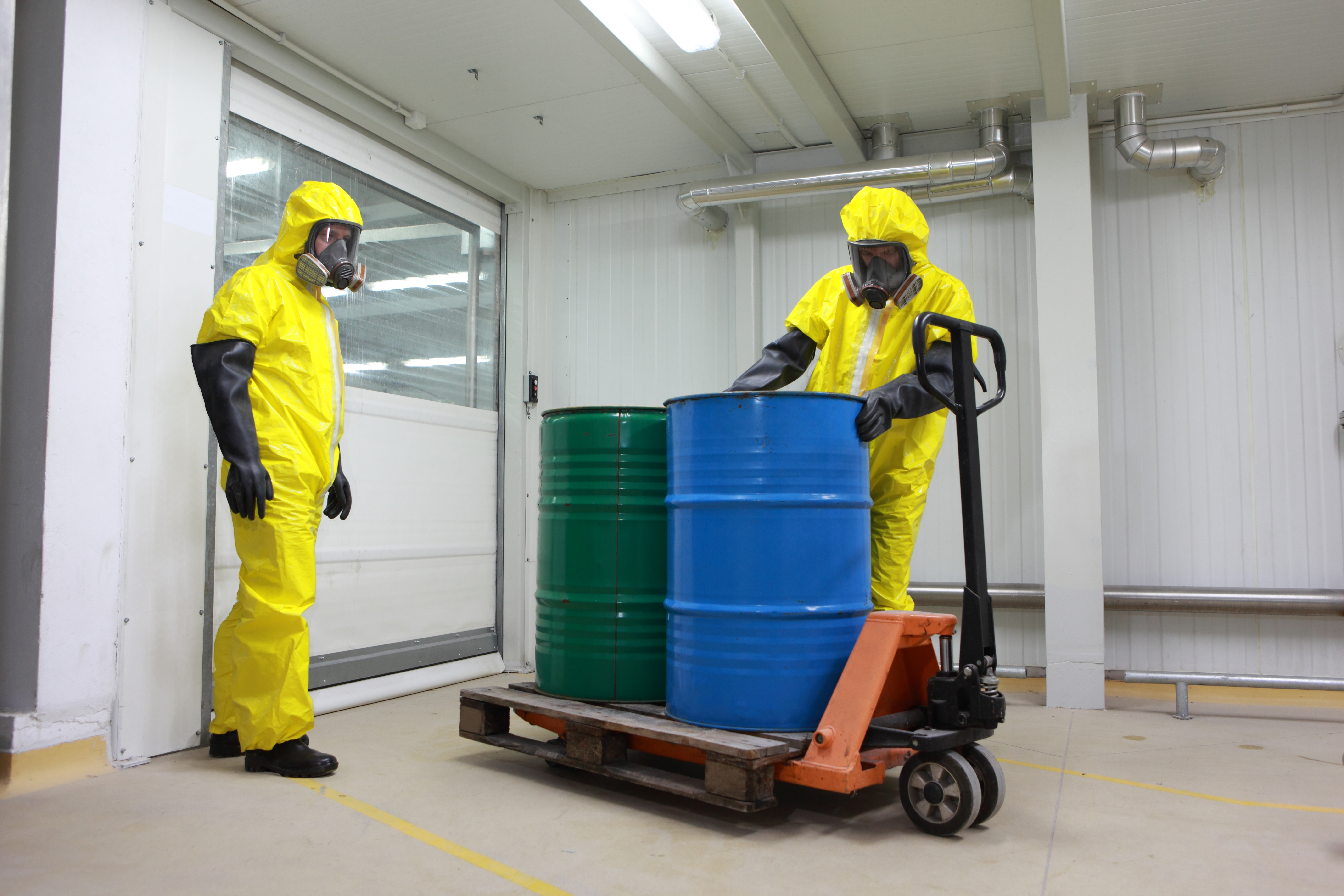
Moving coal tar from point A to B isn’t as simple as loading up a truck. It takes careful planning and strict adherence to rules. Let’s break down what you need to know.

Flammable Liquid Regulations

Flammable liquids like coal tar have their own set of transport rules. These rules are there to keep everyone safe on the road.

First, use the right containers. They must be UN-approved for transporting flammable liquids. Each container needs clear labels showing the UN1136 code and hazard warnings.

Load your vehicle carefully. Secure containers so they can’t move during transport. Use non-sparking tools to avoid accidental ignition.

Keep coal tar separate from other cargo. Use dividers or separate compartments to prevent mixing if spills occur.

Plan your route ahead of time. Avoid populated areas when possible. Know where you can safely stop for breaks or emergencies.

Compliance with Transport Laws

Following transport laws isn’t optional – it’s a must. These rules change based on how much coal tar you’re moving and how far you’re going.

For small amounts, you might fall under limited quantity exceptions. This means less paperwork, but you still need proper packaging and labeling.

Larger shipments require a hazardous materials endorsement on your driver’s license. You’ll also need to carry shipping papers that detail what you’re transporting.

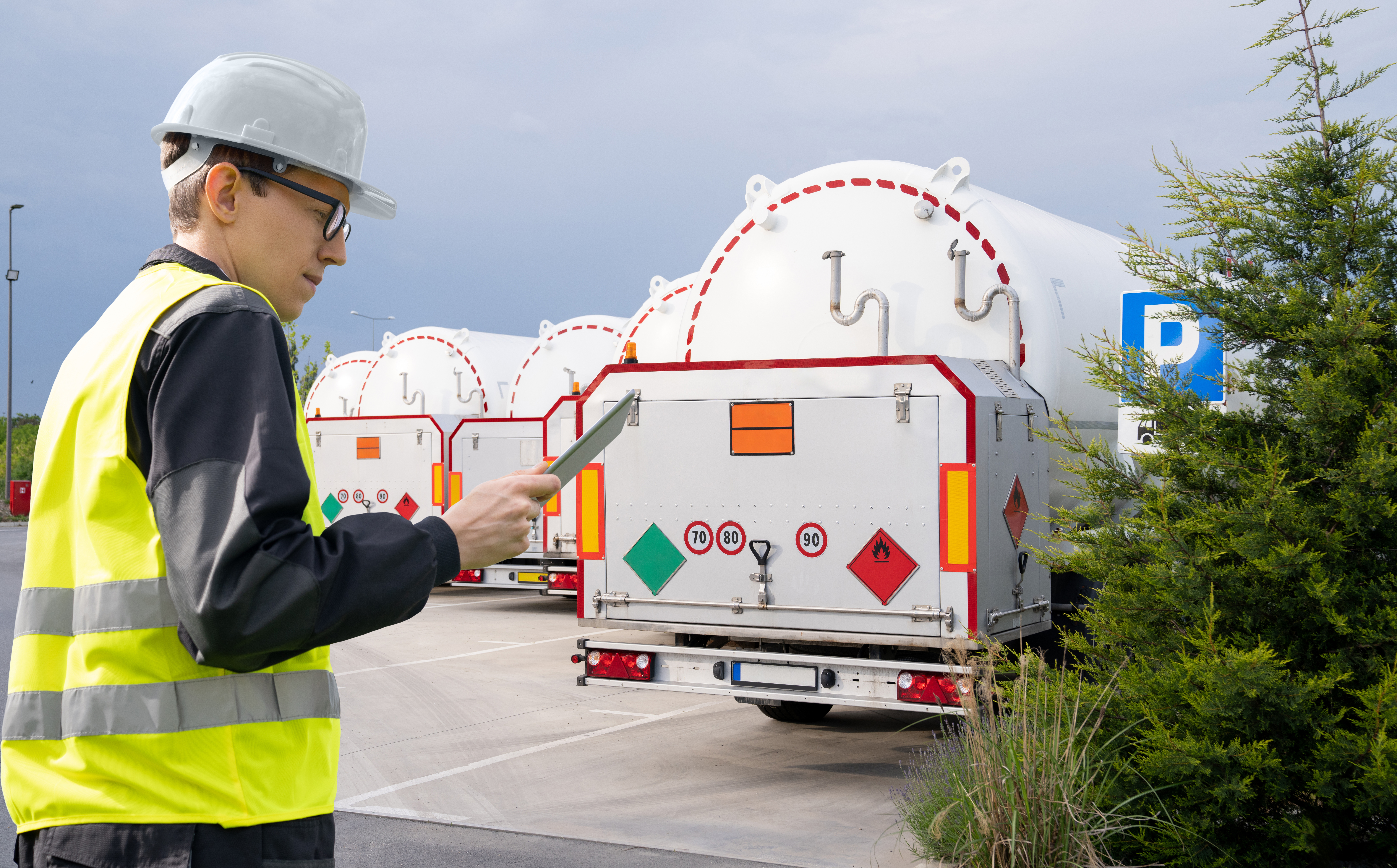
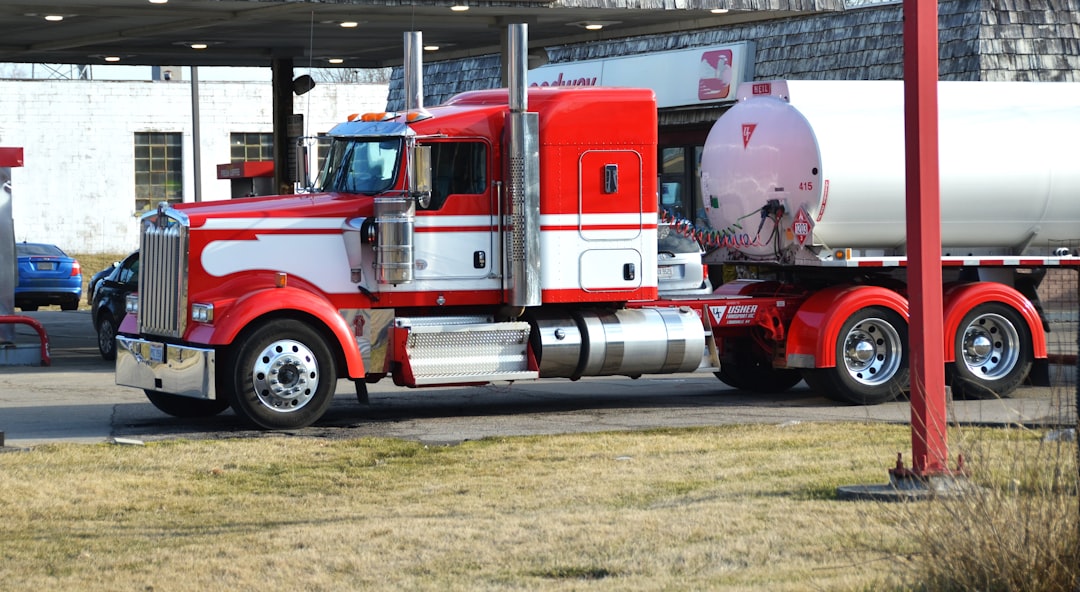
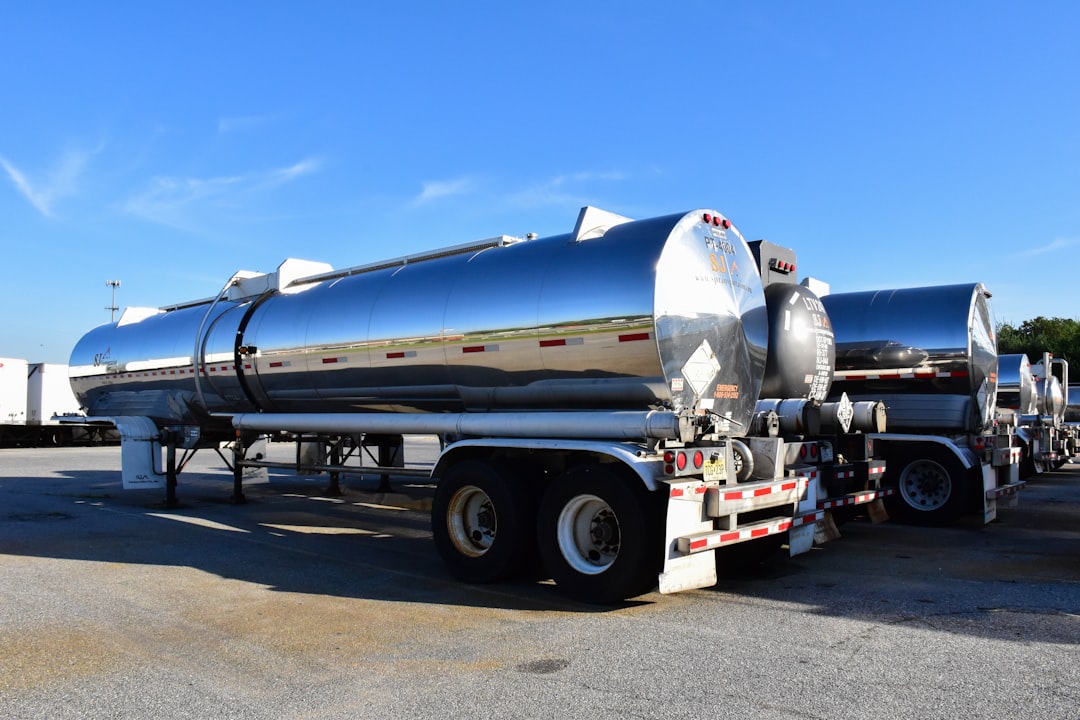
Display the right placards on your vehicle. These diamond-shaped signs tell emergency responders what’s inside if something goes wrong.

Train everyone involved in transport. Drivers, loaders, and anyone handling the coal tar need to know the risks and proper procedures.

Keep records of each shipment. This includes what was shipped, how much, and where it went. These records help if questions come up later.

Remember, transport laws can vary by state or country. Always check local regulations before planning a shipment.

Regulatory Compliance and Best Practices

Staying on top of regulations for coal tar isn’t just good business – it’s the law. Let’s explore the key rules you need to follow and how to keep up with changing standards.

Key Regulations to Follow

OSHA sets the rules for workplace safety when handling coal tar. They require proper training, safety equipment, and emergency plans.

The EPA regulates how coal tar affects the environment. They have strict rules about storage, spill prevention, and waste disposal.

DOT oversees the transport of hazardous materials like coal tar. They dictate packaging, labeling, and shipping requirements.

Local fire codes often have specific rules for storing flammable liquids. These can vary by city or state, so check your local regulations.

The Chemical Safety Board investigates incidents involving hazardous materials. Learning from their reports can help you avoid similar problems.

Staying Updated with Industry Standards

Safety standards for coal tar handling are always evolving. Staying current is key to keeping your workplace safe and legal.

Join industry associations related to hazardous materials. They often offer updates on new regulations and best practices.

Attend safety conferences and workshops. These events are great for learning about the latest techniques and equipment.

Subscribe to regulatory agency newsletters. OSHA, EPA, and DOT all offer email updates on rule changes.

Conduct regular internal audits of your procedures. This helps spot areas where you might be falling behind current standards.

Network with other professionals in your field. Sharing experiences can give you new insights into improving safety.

Remember, staying compliant isn’t just about avoiding fines. It’s about creating a culture of safety that protects your workers and your business.

Propane Transport Safety

Understanding UN1075: A Guide to Propane Transport Safety

Transporting propane isn’t just about moving gas from point A to B. It’s navigating a maze of regulations designed to keep everyone safe. UN1075 is more than a number; it’s your guide to ensuring safety and compliance in propane transport. Without the right placards and labels, you’re not just risking fines, but serious hazards. Dive into our guide to understand how to manage these challenges effectively and keep your operations smooth and secure. For more information on propane transport regulations, visit https://www.phmsa.dot.gov/regulations/title49/interp/18-0154.

Understanding UN1075 and Its Importance

UN1075 is a critical designation in the world of propane transport. This section will explore what UN1075 means, why it matters for transportation, and how companies play a role in maintaining compliance.

What is UN1075?

UN1075 is the United Nations identification number for liquefied petroleum gases, including propane. This designation is crucial for proper handling and transportation of these materials.

The UN1075 code signifies that the substance is a flammable gas, falling under Hazard Class 2.1. This classification is essential for determining the appropriate safety measures during transport.

Understanding UN1075 is vital for anyone involved in the propane supply chain, from manufacturers to distributors and end-users. It ensures that all parties are aware of the potential risks and necessary precautions associated with propane handling.

Significance of UN1075 in Transport

The UN1075 designation plays a pivotal role in ensuring safe transport of propane and other liquefied petroleum gases. It provides a standardized way to identify these materials across different modes of transportation.

By using the UN1075 code, transport companies can quickly recognize the nature of the cargo and implement the required safety protocols. This includes proper container selection, handling procedures, and emergency response plans.

The significance of UN1075 extends beyond national borders, facilitating international trade while maintaining consistent safety standards. For more information on international transport of propane, check out https://tfiworld.com/guide-to-safely-transporting-lpg-products-via-air/.

Companies’ Role in Compliance

Companies involved in propane transport have a crucial responsibility in ensuring compliance with UN1075 regulations. This involves multiple aspects of their operations.

Firstly, companies must ensure proper labeling and documentation of all propane shipments. This includes using the correct UN1075 placard and providing accurate safety data sheets.

Secondly, businesses need to train their staff on the handling and transport of UN1075 materials. This includes educating drivers, warehouse staff, and safety officers on the specific requirements and potential hazards.

Lastly, companies should regularly audit their processes to ensure ongoing compliance with UN1075 regulations. This proactive approach helps maintain safety standards and avoid potential penalties.

Propane Transport Regulations Explained

Propane transport is governed by a complex set of regulations designed to ensure safety. This section breaks down the key requirements, hazardous materials classifications, and the importance of proper labeling.

Key Propane Transport Requirements

Propane transport requirements are designed to minimize risks associated with this flammable gas. These regulations cover various aspects of the transportation process.

One key requirement is the use of appropriate containers for propane storage and transport. These containers must meet specific standards for pressure resistance and durability.

Another crucial aspect is the implementation of safety systems, such as pressure relief valves and emergency shut-off mechanisms. These systems help prevent accidents and mitigate potential risks during transport.

Proper documentation is also essential. This includes carrying safety data sheets and ensuring all paperwork accurately reflects the nature and quantity of the propane being transported. For more details on propane transport requirements, visit https://www.phmsa.dot.gov/content/3-g-propane-services-0.

Overview of Hazardous Materials Classifications

Hazardous materials are categorized into different classes based on their properties and potential risks. Understanding these classifications is crucial for proper handling and transport of propane.

Propane falls under Class 2 – Gases, specifically Subclass 2.1 – Flammable Gases. This classification indicates that propane can easily ignite and burn, posing significant fire hazards.

Other relevant classifications include Class 3 – Flammable Liquids and Class 9 – Miscellaneous Dangerous Goods. While propane primarily falls under Class 2.1, understanding these other classes can help in managing mixed cargo situations.

Placards and Labels for Safety

Placards and labels play a crucial role in communicating the hazards associated with propane transport. They provide quick, visual information about the contents of a shipment.

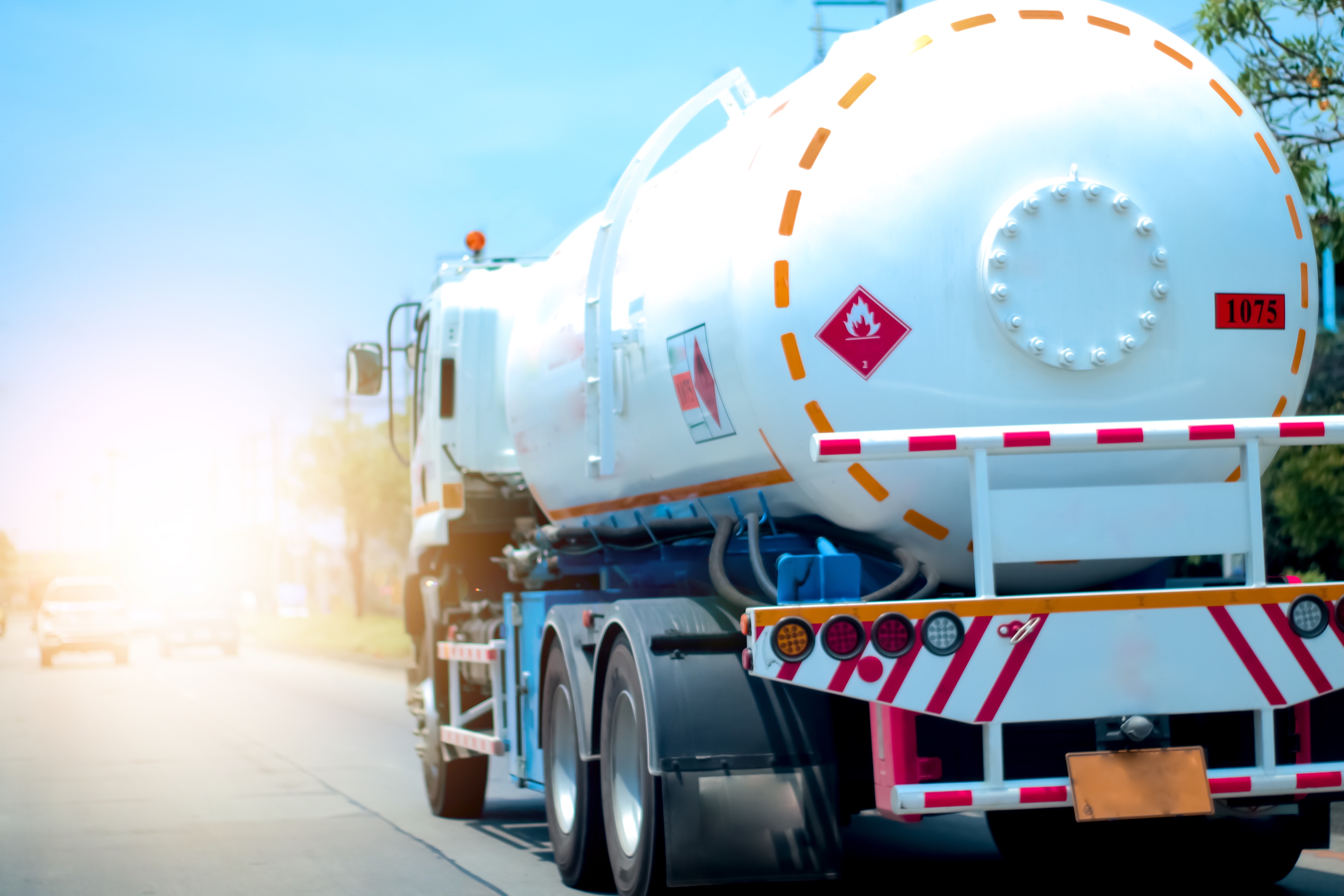
The standard placard for UN1075 (propane) is a red diamond with a flame symbol and the number “1075” displayed prominently. This placard must be visible on all sides of the transport vehicle.

In addition to placards, smaller labels may be required on individual containers. These labels provide more detailed information about the specific hazards and handling requirements.

Proper use of placards and labels is not just a regulatory requirement; it’s a critical safety measure. It ensures that everyone involved in the transport chain, including emergency responders, can quickly identify the nature of the cargo. For more information on placarding requirements, check out https://gacc.nifc.gov/oscc/logistics/docs/r5_haulback_guide.htm.

Ensuring Transport Safety for Propane

Safety is paramount when it comes to propane transport. This section explores strategies for managing flame gas safety, addressing environmental hazards, and best practices for safety officers.

Strategies for Managing Flame Gas Safety

Managing flame gas safety in propane transport requires a multi-faceted approach. It involves both preventive measures and emergency preparedness.

One key strategy is regular inspection and maintenance of transport vehicles and containers. This helps identify and address potential leaks or equipment failures before they become serious issues.

Training is another crucial aspect. All personnel involved in propane transport should be well-versed in safety procedures, including proper handling techniques and emergency response protocols.

Implementing strict no-smoking policies and controlling ignition sources around propane transport vehicles is also essential. These simple measures can significantly reduce the risk of fire or explosion.

Addressing Environmental Hazards in Propane Transport

While propane is generally considered a clean-burning fuel, its transport still poses potential environmental hazards that need to be addressed.

One major concern is the risk of leaks or spills during transport. Even small releases of propane can contribute to air pollution and potentially harm local ecosystems.

To mitigate these risks, transport companies should implement robust leak detection systems and have clear procedures for responding to spills or releases.

Another important aspect is route planning. Avoiding environmentally sensitive areas when transporting propane can help minimize the potential impact of any accidents or spills.

Best Practices for Safety Officers

Safety officers play a crucial role in ensuring the safe transport of propane. Following best practices can help them perform their duties more effectively.

  1. Stay updated on regulations: Safety officers should regularly review and understand the latest propane transport regulations.

  2. Conduct regular safety audits: Periodic checks of transport vehicles, equipment, and procedures can help identify and address potential safety issues.

  3. Foster a safety culture: Encouraging all employees to prioritize safety can lead to better overall compliance and fewer incidents.

  4. Prepare for emergencies: Developing and regularly practicing emergency response plans is crucial for effective incident management.

  5. Collaborate with other departments: Working closely with drivers, maintenance teams, and management ensures a comprehensive approach to safety.

For more information on propane safety best practices, visit https://energybrokerage.agency/.

Compliance in Propane Transport

Compliance is a critical aspect of propane transport. This section delves into legal requirements, risk management strategies, and successful compliance case studies.

Legal Requirements and Compliance

Legal requirements for propane transport are designed to ensure safety and environmental protection. Compliance with these regulations is mandatory for all companies involved in the propane supply chain.

Key legal requirements include proper licensing for drivers and vehicles, adherence to specific route restrictions, and compliance with packaging and labeling standards.

Companies must also maintain accurate records of their propane transport activities, including detailed logs of shipments, safety inspections, and any incidents or near-misses.

Regular training and certification of personnel involved in propane transport is another crucial legal requirement. This ensures that all staff are up-to-date with the latest safety procedures and regulations.

Risk Management Strategies

Effective risk management is essential for safe and compliant propane transport. It involves identifying potential hazards and implementing measures to mitigate them.

One key strategy is conducting regular risk assessments. This involves evaluating all aspects of the transport process to identify potential weak points or areas of concern.

Implementing a robust maintenance program for all transport vehicles and equipment is another important risk management strategy. This helps prevent mechanical failures that could lead to accidents.

Developing and regularly updating emergency response plans is also crucial. These plans should cover various scenarios, from minor leaks to major accidents, and be well-communicated to all relevant personnel.

Case Studies of Successful Compliance

Examining real-world examples of successful compliance can provide valuable insights for companies involved in propane transport.

Case Study 1: XYZ Propane Distributors

  • Implemented a comprehensive digital tracking system for all shipments

  • Reduced compliance violations by 85% over two years

  • Achieved perfect safety record for three consecutive years

Case Study 2: ABC Transport Solutions

  • Developed an innovative driver training program focusing on propane safety

  • Decreased incident rates by 70% in the first year of implementation

  • Received industry recognition for their safety initiatives

These case studies highlight the importance of proactive approaches to compliance and safety in propane transport.

Future of Propane Transport Safety

The landscape of propane transport safety is continually evolving. This section explores emerging technologies, regulatory changes, and industry collaborations shaping the future of propane transport.

Innovations in Safety Technology

Technological advancements are playing an increasingly important role in enhancing propane transport safety.

New sensor technologies are being developed to detect leaks more accurately and quickly. These sensors can provide real-time data on the condition of propane containers during transport.

GPS tracking systems are becoming more sophisticated, allowing for better route planning and real-time monitoring of propane shipments. This can help in avoiding high-risk areas and responding quickly to any incidents.

Advanced materials are also being explored for propane containers, aiming to increase durability and reduce the risk of leaks or ruptures during transport.

Evolving Regulatory Landscape

The regulatory framework for propane transport is not static; it continues to evolve in response to new challenges and technological advancements.

There’s a growing trend towards harmonization of international regulations, aiming to streamline cross-border propane transport while maintaining high safety standards.

Regulatory bodies are also focusing more on data-driven approaches, using incident reports and safety statistics to inform new regulations and guidelines.

Environmental considerations are becoming increasingly important in propane transport regulations, with a focus on reducing emissions and improving overall sustainability.

Collaborative Efforts in the Industry

The future of propane transport safety is likely to be shaped by increased collaboration within the industry.

Industry associations are playing a larger role in developing best practices and advocating for sensible regulations. These collaborative efforts help ensure that safety measures are both effective and practical.

Partnerships between transport companies, technology providers, and regulatory bodies are becoming more common. These collaborations can lead to innovative solutions that improve safety across the entire propane supply chain.

Information sharing platforms are being developed to allow companies to learn from each other’s experiences and incidents. This collective approach to safety can help prevent future accidents and improve overall industry standards.

For more information on the future of propane transport and safety innovations, visit https://www.pembina.com/getmedia/1dfd513a-8aaa-4af2-b855-a12d1ff5e528/Propane-Plus,-UN1075,-Non-toxic-OSHA-WHMIS-GHS-SDS-2021-01-18.pdf.


Heating Oil Regulations

Navigating Heating Oil Regulations: Ensuring Safety and Compliance

Handling UN1202, the hazardous material known as Heating oil, light, isn’t just about getting it from point A to point B. It’s about ensuring every shipment adheres to strict compliance regulations, safeguarding both personnel and the environment. For logistics managers and transportation companies, understanding the ins and outs of these heating oil regulations is a non-negotiable priority. In this guide, you’ll uncover how to navigate the complex world of shipping placards and Class 3 flammable liquids, ensuring your operations remain both safe and compliant. For more detailed information on UN1202 and its transportation requirements, you can refer to the official PHMSA regulations.

Understanding UN1202 and Its Importance

UN1202 is a crucial identifier in the world of hazardous materials transport. Let’s explore its meaning, significance, and impact on safety protocols.

What is UN1202?

UN1202 is the United Nations identification number for Heating oil, light, a Class 3 flammable liquid. This four-digit code is essential for proper labeling and handling during transportation.

The UN number system was created to standardize the identification of hazardous materials across international borders. For UN1202, it specifically refers to light heating oil, which is commonly used in residential and commercial heating systems.

Understanding this designation is crucial for anyone involved in the transport or handling of this substance. It allows for quick identification and appropriate response in case of emergencies.

Significance of UN1202 in Transport

The UN1202 designation plays a vital role in ensuring safe and compliant transport of light heating oil. It’s not just a number, but a key to unlocking critical information about the substance being transported.

When shipping UN1202, transporters must adhere to specific regulations outlined by various regulatory bodies. These rules cover aspects such as packaging, labeling, and documentation.

The significance of UN1202 extends beyond mere identification. It triggers a set of safety protocols and handling procedures that must be followed throughout the transportation process. For more information on the significance of UN numbers in transport, you can visit the United Nations Economic Commission for Europe website.

Impact on Safety Protocols

The UN1202 designation has a profound impact on safety protocols in the transportation of light heating oil. It sets the stage for how this hazardous material should be handled from start to finish.

Safety measures associated with UN1202 include specific requirements for containment, such as the use of approved containers and tanks. It also dictates the need for proper ventilation during transport and storage.

Emergency response teams rely on the UN1202 designation to quickly assess the situation and implement appropriate measures in case of accidents or spills. This standardized system helps ensure a swift and effective response, minimizing potential harm to people and the environment.

Navigating Heating Oil Regulations

Heating oil regulations form a complex web of rules and guidelines. Understanding these regulations is crucial for anyone involved in the transport and handling of UN1202.

Key Heating Oil Regulations Explained

Heating oil regulations encompass a wide range of requirements designed to ensure safe handling and transport. These rules cover various aspects, from storage to transportation and use.

One of the primary regulations is the requirement for proper labeling and placarding of vehicles transporting UN1202. This includes displaying the UN number and appropriate hazard class symbols.

Another key regulation involves the training of personnel handling UN1202. Employees must be properly trained in safety procedures, emergency response, and the correct use of personal protective equipment. For a comprehensive overview of heating oil regulations, you can refer to the Energy Brokerage Agency website.

Compliance for Safe Transportation

Compliance with heating oil regulations is not optional. It’s a legal requirement and a crucial aspect of ensuring safe transportation of UN1202.

To comply, companies must first ensure they have the correct permits and licenses for transporting hazardous materials. This often involves regular inspections and audits to maintain compliance.

Record-keeping is another important aspect of compliance. Companies must maintain detailed logs of shipments, including information about quantities, routes, and any incidents that occur during transport. For more information on compliance requirements, you can visit the ChemRadar website.

Challenges in Regulatory Adherence

While the importance of adhering to heating oil regulations is clear, it’s not without its challenges. Companies often face hurdles in staying up-to-date with changing regulations.

One common challenge is the variation in regulations across different jurisdictions. What’s compliant in one state or country may not be in another, requiring careful planning for interstate or international transport.

Another challenge lies in the cost of compliance. Implementing proper safety measures, providing regular training, and maintaining up-to-date equipment can be expensive. However, the cost of non-compliance, both in terms of potential fines and safety risks, is far greater.

Class 3 Flammable Liquids: Safety Measures

Class 3 flammable liquids, which include UN1202, require specific safety measures due to their hazardous nature. Let’s explore the key aspects of handling these materials safely.

Identifying Class 3 Flammable Liquids

Class 3 flammable liquids are substances that can easily ignite and burn. UN1202, or light heating oil, falls into this category due to its low flash point.

Identification of Class 3 flammable liquids is crucial for proper handling. These substances are typically marked with a red diamond-shaped label featuring a flame symbol.

It’s important to note that not all Class 3 flammable liquids have the same properties. Some may have additional hazards, such as toxicity or corrosiveness, which require extra precautions. For more detailed information on Class 3 flammable liquids, you can refer to the HazChem Safety website.

Essential Safety Practices

When handling Class 3 flammable liquids like UN1202, several essential safety practices must be followed to minimize risks.

Proper storage is crucial. These liquids should be kept in approved containers in well-ventilated areas, away from sources of ignition.

Personal protective equipment (PPE) is a must when handling these substances. This typically includes chemical-resistant gloves, safety goggles, and flame-resistant clothing.

Regular training and drills are also essential. All personnel involved in handling Class 3 flammable liquids should be well-versed in safety procedures and emergency response protocols.

Emergency Response Planning

Despite best efforts, accidents can happen. That’s why robust emergency response planning is crucial when dealing with Class 3 flammable liquids.

An effective emergency response plan should include clear procedures for different scenarios, such as spills or fires. It should also designate roles and responsibilities for team members.

Regular drills and simulations can help ensure that all personnel are prepared to act quickly and effectively in case of an emergency. These exercises can also help identify potential weaknesses in the response plan.

Shipping Placards and Their Role

Shipping placards play a crucial role in the safe transport of hazardous materials like UN1202. They provide vital information at a glance, aiding in quick identification and appropriate handling.

Importance of Accurate Shipping Placards

Accurate shipping placards are not just a legal requirement, they’re a critical safety measure. They provide immediate information about the hazards associated with the cargo being transported.

For UN1202, the placard must clearly display the UN number and the appropriate hazard class symbol. This information is crucial for first responders in case of an accident.

Inaccurate or missing placards can lead to serious consequences. They can result in improper handling, delayed emergency response, and potential legal penalties. For more information on the importance of accurate placards, you can visit the TransFueler website.

Designing Effective Placards

Effective placard design goes beyond just including the required information. It must ensure that this information is clearly visible and easily understood, even from a distance.

The color and symbols used on placards are standardized to ensure universal recognition. For Class 3 flammable liquids like UN1202, the placard features a red background with a flame symbol.

The text on the placard, including the UN number, must be large enough to be read from a safe distance. The materials used for placards must also be durable enough to withstand various weather conditions and remain legible throughout the journey.

Legal Requirements for Placards

The use of placards is governed by strict legal requirements. These regulations specify when placards must be used, where they should be placed on vehicles, and what information they must contain.

For UN1202, placards are typically required on all four sides of the transport vehicle. They must remain in place throughout the entire transportation process, from loading to final delivery.

It’s important to note that placard requirements can vary depending on the quantity being transported and the specific regulations of different jurisdictions. Always check local and international regulations to ensure full compliance.

Ensuring Transport Safety and Compliance

Ensuring transport safety and compliance when dealing with UN1202 and other hazardous materials is an ongoing process. It requires constant vigilance, regular training, and a commitment to best practices.

Training for Safety Compliance

Effective training is the cornerstone of safety compliance in hazardous materials transport. It ensures that all personnel understand the risks and know how to mitigate them.

Training programs should cover a range of topics, including proper handling procedures, use of safety equipment, and emergency response protocols. They should also include information on relevant regulations and compliance requirements.

Regular refresher courses are important to keep knowledge up-to-date and reinforce safety practices. Simulations and hands-on training can be particularly effective in preparing personnel for real-world scenarios.

Monitoring and Reporting Practices

Monitoring and reporting are crucial aspects of maintaining safety and compliance in hazardous materials transport. They help identify potential issues before they become serious problems.

Regular inspections of vehicles, equipment, and safety gear are essential. Any issues or defects should be promptly reported and addressed.

Incident reporting is another critical practice. Even minor incidents or near-misses should be documented and analyzed to prevent future occurrences and improve safety protocols.

Future Trends in Transport Safety Regulations

The field of transport safety regulations is continually evolving, driven by advances in technology and growing environmental concerns.

One emerging trend is the increased use of digital technologies for tracking and monitoring hazardous materials shipments. This can provide real-time information on cargo location and condition.

Another trend is the growing focus on environmental protection. Future regulations may place greater emphasis on preventing spills and reducing the environmental impact of hazardous materials transport.

As these trends develop, companies involved in the transport of UN1202 and other hazardous materials will need to stay informed and adapt their practices accordingly.


Petroleum Safety

Shipping Regulations Simplified: A Friendly Comparison for Safety Officers and Environmental Regulators

You know UN1267 as a vital code in the world of shipping. It’s more than just a number—it’s the key to safe transport of Petroleum Crude Oil, a Class 3 Flammable Liquid. Misunderstanding this can lead to serious consequences. But don’t worry, we’re here to help you navigate these shipping regulations with ease. You’ll see how to ensure safety compliance and handle hazardous materials effectively, making your job as a logistics professional, safety officer, or environmental regulator smoother and more secure.

Understanding UN1267 and Its Significance

This section delves into the core aspects of UN1267, its relation to Petroleum Crude Oil, and the implications for Hazard Class 3 materials. We’ll explore why these classifications matter in the shipping industry.

The Basics of UN1267

UN1267 is a crucial identifier in the shipping world. It specifically denotes Petroleum Crude Oil, a substance that requires careful handling during transport.

The United Nations Committee of Experts on the Transport of Dangerous Goods assigns this number. It’s part of a system designed to standardize the identification of hazardous materials globally.

Understanding UN1267 is essential for anyone involved in the logistics of crude oil. It helps ensure proper packaging, labeling, and handling throughout the shipping process.

Importance of Petroleum Crude Oil

Petroleum Crude Oil, identified by UN1267, is a cornerstone of the global energy sector. It’s the raw material for numerous products we use daily, from gasoline to plastics.

The transportation of crude oil is a critical part of the energy supply chain. It connects extraction sites to refineries and eventually to consumers.

Given its flammable nature, the safe transport of crude oil is paramount. This is why proper identification and handling as per UN1267 guidelines are so important.

Navigating Hazard Class 3 Requirements

Hazard Class 3 encompasses flammable liquids, including Petroleum Crude Oil (UN1267). This classification is based on the material’s flash point and other physical properties.

Class 3 materials require specific handling procedures. These include using appropriate containers, proper labeling, and following strict loading and unloading protocols.

For safety officers and regulators, understanding Class 3 requirements is crucial. It helps in developing and enforcing safety measures that protect workers and the environment during transport.

Flammable Liquids in Shipping

This section focuses on the broader category of flammable liquids in shipping. We’ll discuss identification methods, regulatory requirements, and essential labeling practices.

Identifying Hazardous Materials

Identifying hazardous materials like UN1267 is the first step in safe shipping. It involves understanding the physical and chemical properties of the substance.

For Petroleum Crude Oil, key identifiers include its UN number (1267), proper shipping name, and hazard class (3). These details must be clearly marked on shipping documents and containers.

Safety data sheets (SDS) provide additional information about the material’s properties, hazards, and handling requirements. They’re an essential resource for anyone handling the shipment.

Regulatory Requirements for Safety Compliance

Safety compliance in shipping flammable liquids involves adhering to various regulations. These rules cover aspects from packaging to transportation methods.

In the U.S., the Department of Transportation (DOT) sets guidelines for hazardous materials transport. These include specifications for containers, quantity limits, and documentation requirements.

Internationally, organizations like the International Maritime Organization (IMO) provide standards for sea transport. Aligning with these regulations is crucial for global shipping operations.

Placarding and Labeling Essentials

Proper placarding and labeling are critical for the safe transport of flammable liquids like UN1267. They provide quick, visual information about the cargo’s hazards.

For Class 3 flammable liquids, the placard features a red background with a flame symbol. The UN number must be displayed prominently on the placard or a separate orange panel.

Labels on individual packages provide more detailed information. They include the UN number, proper shipping name, and any subsidiary hazard symbols.

Comparing Shipping Regulations Globally

This section provides a comparative analysis of shipping regulations across different regions. We’ll explore international standards, domestic rules, and the challenges in achieving global compliance.

Key International Standards

International standards for shipping hazardous materials like UN1267 aim to create a uniform global approach. The UN Recommendations on the Transport of Dangerous Goods serve as a foundation for many national and regional regulations.

The International Maritime Dangerous Goods (IMDG) Code governs sea transport of hazardous materials. It provides detailed guidelines on classification, packaging, and stowage of dangerous goods.

For air transport, the International Air Transport Association (IATA) Dangerous Goods Regulations set the standard. These rules are often more stringent due to the unique risks associated with air travel.

Domestic Shipping Rules and Differences

While international standards provide a framework, many countries have their own specific rules for domestic shipping of hazardous materials like Petroleum Crude Oil.

In the United States, the Code of Federal Regulations Title 49 (49 CFR) outlines requirements for hazardous materials transport. It covers aspects from packaging specifications to training requirements for handlers.

Other countries may have variations in their regulations. For example, some may have stricter environmental protection measures or different quantity limits for road transport.

Challenges in Global Compliance

Achieving global compliance in shipping hazardous materials presents several challenges. One major issue is the variation in regulations between countries and regions.

Language barriers can complicate compliance efforts. Ensuring accurate translation of safety information and shipping documents is crucial but can be challenging.

Keeping up with regulatory changes across multiple jurisdictions is another hurdle. It requires constant vigilance and adaptability from shipping companies and regulators alike.

Safety Compliance for Logistics Professionals

This section focuses on practical aspects of safety compliance for those directly involved in handling and regulating hazardous materials like UN1267.

Best Practices for Safety Officers

Safety officers play a crucial role in ensuring the safe handling of hazardous materials like Petroleum Crude Oil. Their responsibilities include developing and implementing safety protocols.

Regular training and drills are essential. These help ensure that all personnel are familiar with proper handling procedures and emergency response plans.

Conducting thorough risk assessments is another key practice. This involves identifying potential hazards at each stage of the shipping process and implementing appropriate control measures.

Environmental Considerations for Regulators

For environmental regulators, overseeing the transport of UN1267 involves balancing safety with environmental protection. This requires a comprehensive understanding of both the material’s properties and potential environmental impacts.

Developing and enforcing spill prevention and response plans is a critical aspect. These plans should address potential scenarios specific to the transport routes and methods used.

Monitoring compliance with environmental regulations is an ongoing task. This may involve regular inspections, reviewing documentation, and assessing companies’ environmental management systems.

Mitigating Risks in Hazardous Material Handling

Effective risk mitigation in handling UN1267 and other hazardous materials starts with proper training. All personnel involved should be well-versed in safety procedures and emergency protocols.

Using appropriate personal protective equipment (PPE) is essential. This may include chemical-resistant gloves, protective eyewear, and flame-resistant clothing.

Implementing a robust incident reporting and investigation system helps identify potential issues before they escalate. It also provides valuable insights for improving safety measures over time.

Future Trends in Shipping Regulations

This final section looks ahead to emerging trends in shipping regulations, particularly as they relate to hazardous materials like UN1267.

Evolving Safety Standards

Safety standards for shipping hazardous materials are continually evolving. We’re seeing a trend towards more stringent requirements, especially in areas like container design and testing.

There’s an increasing focus on human factors in safety. This includes more emphasis on fatigue management for drivers and handlers, and improved training methodologies.

We can expect to see more integration of safety considerations into the entire supply chain, not just the transport phase. This holistic approach aims to enhance overall safety in hazardous material handling.

Technological Advances in Compliance

Technology is playing an increasingly important role in compliance with shipping regulations. Real-time tracking systems are becoming more sophisticated, allowing for better monitoring of hazardous material shipments.

Digital documentation systems are streamlining the compliance process. They reduce errors in paperwork and make it easier to share information between different parties in the shipping chain.

Artificial intelligence and machine learning are being applied to risk assessment and prediction. These tools can help identify potential safety issues before they occur.

Preparing for Regulatory Changes

Staying ahead of regulatory changes is crucial for anyone involved in shipping hazardous materials like UN1267. This requires a proactive approach to monitoring proposed changes and industry trends.

Flexibility in operations and systems is important. Companies need to be able to adapt quickly to new requirements without major disruptions to their operations.

Engaging with industry associations and regulatory bodies can provide valuable insights into upcoming changes. It also offers opportunities to contribute to the development of new standards and best practices.