

Navigating Heating Oil Regulations: Ensuring Safety and Compliance
Handling UN1202, the hazardous material known as Heating oil, light, isn’t just about getting it from point A to point B. It’s about ensuring every shipment adheres to strict compliance regulations, safeguarding both personnel and the environment. For logistics managers and transportation companies, understanding the ins and outs of these heating oil regulations is a non-negotiable priority. In this guide, you’ll uncover how to navigate the complex world of shipping placards and Class 3 flammable liquids, ensuring your operations remain both safe and compliant. For more detailed information on UN1202 and its transportation requirements, you can refer to the official PHMSA regulations.
Understanding UN1202 and Its Importance

UN1202 is a crucial identifier in the world of hazardous materials transport. Let’s explore its meaning, significance, and impact on safety protocols.
What is UN1202?
UN1202 is the United Nations identification number for Heating oil, light, a Class 3 flammable liquid. This four-digit code is essential for proper labeling and handling during transportation.
The UN number system was created to standardize the identification of hazardous materials across international borders. For UN1202, it specifically refers to light heating oil, which is commonly used in residential and commercial heating systems.
Understanding this designation is crucial for anyone involved in the transport or handling of this substance. It allows for quick identification and appropriate response in case of emergencies.
Significance of UN1202 in Transport
The UN1202 designation plays a vital role in ensuring safe and compliant transport of light heating oil. It’s not just a number, but a key to unlocking critical information about the substance being transported.
When shipping UN1202, transporters must adhere to specific regulations outlined by various regulatory bodies. These rules cover aspects such as packaging, labeling, and documentation.
The significance of UN1202 extends beyond mere identification. It triggers a set of safety protocols and handling procedures that must be followed throughout the transportation process. For more information on the significance of UN numbers in transport, you can visit the United Nations Economic Commission for Europe website.
Impact on Safety Protocols
The UN1202 designation has a profound impact on safety protocols in the transportation of light heating oil. It sets the stage for how this hazardous material should be handled from start to finish.
Safety measures associated with UN1202 include specific requirements for containment, such as the use of approved containers and tanks. It also dictates the need for proper ventilation during transport and storage.
Emergency response teams rely on the UN1202 designation to quickly assess the situation and implement appropriate measures in case of accidents or spills. This standardized system helps ensure a swift and effective response, minimizing potential harm to people and the environment.
Navigating Heating Oil Regulations
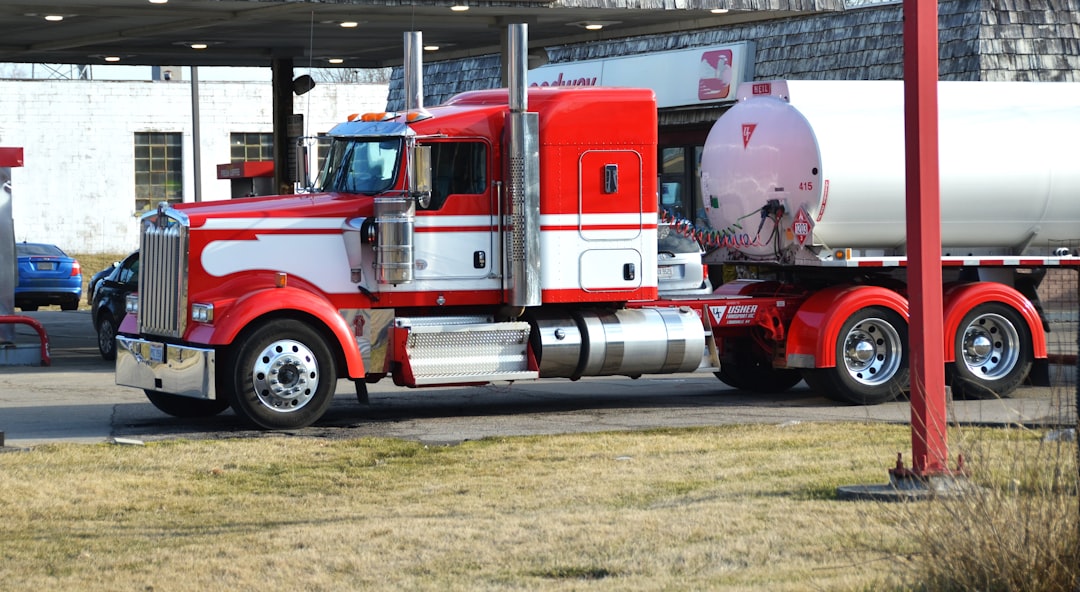
Heating oil regulations form a complex web of rules and guidelines. Understanding these regulations is crucial for anyone involved in the transport and handling of UN1202.
Key Heating Oil Regulations Explained
Heating oil regulations encompass a wide range of requirements designed to ensure safe handling and transport. These rules cover various aspects, from storage to transportation and use.
One of the primary regulations is the requirement for proper labeling and placarding of vehicles transporting UN1202. This includes displaying the UN number and appropriate hazard class symbols.
Another key regulation involves the training of personnel handling UN1202. Employees must be properly trained in safety procedures, emergency response, and the correct use of personal protective equipment. For a comprehensive overview of heating oil regulations, you can refer to the Energy Brokerage Agency website.
Compliance for Safe Transportation
Compliance with heating oil regulations is not optional. It’s a legal requirement and a crucial aspect of ensuring safe transportation of UN1202.
To comply, companies must first ensure they have the correct permits and licenses for transporting hazardous materials. This often involves regular inspections and audits to maintain compliance.
Record-keeping is another important aspect of compliance. Companies must maintain detailed logs of shipments, including information about quantities, routes, and any incidents that occur during transport. For more information on compliance requirements, you can visit the ChemRadar website.
Challenges in Regulatory Adherence
While the importance of adhering to heating oil regulations is clear, it’s not without its challenges. Companies often face hurdles in staying up-to-date with changing regulations.
One common challenge is the variation in regulations across different jurisdictions. What’s compliant in one state or country may not be in another, requiring careful planning for interstate or international transport.
Another challenge lies in the cost of compliance. Implementing proper safety measures, providing regular training, and maintaining up-to-date equipment can be expensive. However, the cost of non-compliance, both in terms of potential fines and safety risks, is far greater.
Class 3 Flammable Liquids: Safety Measures
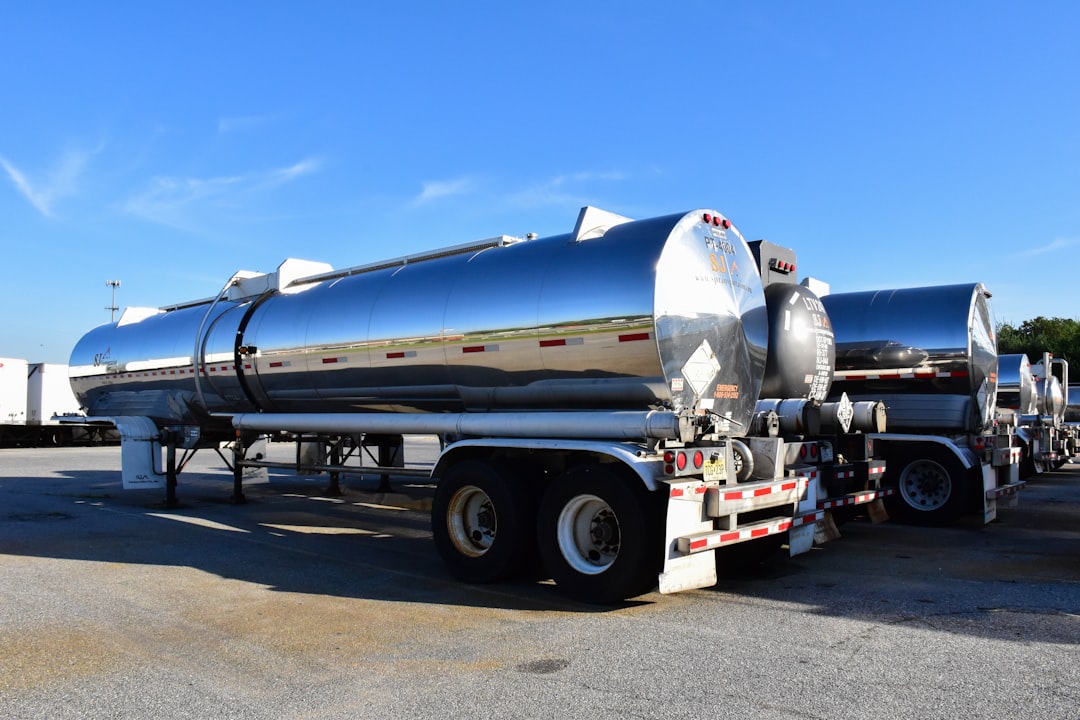
Class 3 flammable liquids, which include UN1202, require specific safety measures due to their hazardous nature. Let’s explore the key aspects of handling these materials safely.
Identifying Class 3 Flammable Liquids
Class 3 flammable liquids are substances that can easily ignite and burn. UN1202, or light heating oil, falls into this category due to its low flash point.
Identification of Class 3 flammable liquids is crucial for proper handling. These substances are typically marked with a red diamond-shaped label featuring a flame symbol.
It’s important to note that not all Class 3 flammable liquids have the same properties. Some may have additional hazards, such as toxicity or corrosiveness, which require extra precautions. For more detailed information on Class 3 flammable liquids, you can refer to the HazChem Safety website.
Essential Safety Practices
When handling Class 3 flammable liquids like UN1202, several essential safety practices must be followed to minimize risks.
Proper storage is crucial. These liquids should be kept in approved containers in well-ventilated areas, away from sources of ignition.
Personal protective equipment (PPE) is a must when handling these substances. This typically includes chemical-resistant gloves, safety goggles, and flame-resistant clothing.
Regular training and drills are also essential. All personnel involved in handling Class 3 flammable liquids should be well-versed in safety procedures and emergency response protocols.
Emergency Response Planning
Despite best efforts, accidents can happen. That’s why robust emergency response planning is crucial when dealing with Class 3 flammable liquids.
An effective emergency response plan should include clear procedures for different scenarios, such as spills or fires. It should also designate roles and responsibilities for team members.
Regular drills and simulations can help ensure that all personnel are prepared to act quickly and effectively in case of an emergency. These exercises can also help identify potential weaknesses in the response plan.
Shipping Placards and Their Role

Shipping placards play a crucial role in the safe transport of hazardous materials like UN1202. They provide vital information at a glance, aiding in quick identification and appropriate handling.
Importance of Accurate Shipping Placards
Accurate shipping placards are not just a legal requirement, they’re a critical safety measure. They provide immediate information about the hazards associated with the cargo being transported.
For UN1202, the placard must clearly display the UN number and the appropriate hazard class symbol. This information is crucial for first responders in case of an accident.
Inaccurate or missing placards can lead to serious consequences. They can result in improper handling, delayed emergency response, and potential legal penalties. For more information on the importance of accurate placards, you can visit the TransFueler website.
Designing Effective Placards
Effective placard design goes beyond just including the required information. It must ensure that this information is clearly visible and easily understood, even from a distance.
The color and symbols used on placards are standardized to ensure universal recognition. For Class 3 flammable liquids like UN1202, the placard features a red background with a flame symbol.
The text on the placard, including the UN number, must be large enough to be read from a safe distance. The materials used for placards must also be durable enough to withstand various weather conditions and remain legible throughout the journey.
Legal Requirements for Placards
The use of placards is governed by strict legal requirements. These regulations specify when placards must be used, where they should be placed on vehicles, and what information they must contain.
For UN1202, placards are typically required on all four sides of the transport vehicle. They must remain in place throughout the entire transportation process, from loading to final delivery.
It’s important to note that placard requirements can vary depending on the quantity being transported and the specific regulations of different jurisdictions. Always check local and international regulations to ensure full compliance.
Ensuring Transport Safety and Compliance

Ensuring transport safety and compliance when dealing with UN1202 and other hazardous materials is an ongoing process. It requires constant vigilance, regular training, and a commitment to best practices.
Training for Safety Compliance
Effective training is the cornerstone of safety compliance in hazardous materials transport. It ensures that all personnel understand the risks and know how to mitigate them.
Training programs should cover a range of topics, including proper handling procedures, use of safety equipment, and emergency response protocols. They should also include information on relevant regulations and compliance requirements.
Regular refresher courses are important to keep knowledge up-to-date and reinforce safety practices. Simulations and hands-on training can be particularly effective in preparing personnel for real-world scenarios.
Monitoring and Reporting Practices
Monitoring and reporting are crucial aspects of maintaining safety and compliance in hazardous materials transport. They help identify potential issues before they become serious problems.
Regular inspections of vehicles, equipment, and safety gear are essential. Any issues or defects should be promptly reported and addressed.
Incident reporting is another critical practice. Even minor incidents or near-misses should be documented and analyzed to prevent future occurrences and improve safety protocols.
Future Trends in Transport Safety Regulations
The field of transport safety regulations is continually evolving, driven by advances in technology and growing environmental concerns.
One emerging trend is the increased use of digital technologies for tracking and monitoring hazardous materials shipments. This can provide real-time information on cargo location and condition.
Another trend is the growing focus on environmental protection. Future regulations may place greater emphasis on preventing spills and reducing the environmental impact of hazardous materials transport.
As these trends develop, companies involved in the transport of UN1202 and other hazardous materials will need to stay informed and adapt their practices accordingly.