All posts by Anony Mouse

Energy Deal Guidance

Energy Brokers: Your Secret Weapon for Best Energy Deals

Most energy buyers waste time chasing deals that don’t fit their needs. An energy broker cuts through the noise to find the best energy deals tailored to your situation. Whether you’re navigating domestic energy markets or exploring international options, smart energy procurement starts with expert guidance you can trust. Learn more about how energy brokers can help you save money and time at https://greatenergy1.com/energy-brokers/.

Understanding Energy Brokers

Energy brokers play a key role in today’s complex energy landscape. They act as your guide, helping you make smart choices in a sea of options.

Role in Energy Procurement

Energy brokers are your personal energy shopping assistants. They know the ins and outs of the energy market like the back of their hand. Their job? To find you the best deal possible.

These experts dig deep into your energy needs. They look at how much power you use, when you use it, and what type of energy works best for your business. Then, they go hunting for deals that match.

Think of them as energy matchmakers. They pair your unique needs with the right energy suppliers. This saves you time and money in the long run.

Connecting Buyers and Sellers

Energy brokers bridge the gap between you and energy suppliers. They speak both languages – yours and the suppliers’.

These pros have a huge network of contacts. They know which suppliers offer the best rates for businesses like yours. Plus, they keep tabs on new players entering the market.

Brokers make introductions that count. They set up meetings with suppliers who fit your needs. This targeted approach means you waste less time on dead-end deals.

Guidance in Deregulated Markets

Deregulated energy markets can be tricky to navigate. But with an energy broker, you’ve got a skilled pilot at the helm.

These experts know the rules of each market inside out. They stay up-to-date on changing regulations so you don’t have to. This knowledge helps you avoid costly mistakes.

Brokers explain your options in plain English. They break down complex terms and contracts. With their help, you can make choices with confidence in any market.

Finding Best Energy Deals

Smart energy buying is all about strategy. Energy brokers have the tools and know-how to uncover hidden savings for your business.

Strategies for Cost-Saving Solutions

Energy brokers are deal-hunting pros. They use smart tactics to slash your energy costs without sacrificing quality.

One key strategy? Timing the market. Brokers watch energy prices like hawks. They know when to lock in rates to save you big bucks. For example, they might suggest signing a contract when prices dip seasonally.

These experts also look at your energy use patterns. They might find ways to shift your heaviest usage to off-peak hours. This simple change can lead to major savings on your bill.

Brokers don’t just focus on price. They look at the whole package. Some deals might offer lower rates but have hidden fees. Your broker catches these traps before you fall into them.

Navigating Domestic Energy Markets

Each state’s energy market is unique. Energy brokers know the quirks of your local landscape.

In Texas, for instance, brokers might help you tap into the state’s competitive electricity market. They know which providers offer the best rates for businesses your size.

Brokers also keep an eye on state incentives. Some areas offer tax breaks for using green energy. Your broker can help you cash in on these perks.

Local knowledge pays off. A good broker knows which suppliers have the best customer service in your area. They steer you towards reliable options, not just cheap ones.

International Market Opportunities

Going global with your energy buying? An experienced broker can be your passport to savings.

These pros know the ins and outs of international energy markets. They can help you tap into opportunities abroad that you might miss on your own.

For instance, a broker might find a great deal on natural gas from a foreign supplier. They’ll handle the complex logistics of importing energy across borders.

Brokers also help you navigate currency risks. They can lock in favorable exchange rates to protect your bottom line.

Benefits of Commercial Energy Buying

Commercial energy buying, when done right, can give your business a serious edge. Let’s explore how it can work for you.

Tailored Energy Solutions

No two businesses use energy the same way. That’s why cookie-cutter energy plans often fall short.

Energy brokers dig deep into your business operations. They look at factors like your peak usage times and seasonal fluctuations. With this info, they craft a plan that fits like a glove.

For example, a broker might suggest a mix of fixed and variable rates. This blend could protect you from price spikes while letting you benefit from market dips.

These custom plans do more than save money. They can boost your operational efficiency too. A well-tailored energy strategy keeps your business humming along smoothly.

Negotiating Better Rates

Energy brokers are master negotiators. They know how to get you the best possible deal on your energy contracts.

These pros have insider knowledge of supplier pricing strategies. They know when suppliers are eager to sign new customers. This timing can lead to better rates for you.

Brokers also use their buying power to your advantage. They often represent multiple clients. This volume gives them leverage to negotiate discounts you couldn’t get on your own.

But it’s not just about the lowest price. Brokers negotiate for better contract terms too. They might secure more flexible usage limits or fewer penalties. These details can save you big in the long run.

Long-Term Savings Potential

Smart energy buying isn’t just about quick wins. It’s about setting your business up for long-term success.

Energy brokers help you think ahead. They might suggest locking in rates now to protect against future price hikes. Or they could advise on energy-efficient upgrades that pay off over time.

These experts also help you avoid costly mistakes. They catch hidden fees or unfavorable terms that could drain your budget down the road.

With a broker’s guidance, you can build an energy strategy that grows with your business. This forward-thinking approach leads to sustained savings year after year.

Navigating Deregulated Energy Markets

Deregulated energy markets offer choice, but they can be complex. Here’s how to make the most of these opportunities.

Identifying Key Markets

Not all deregulated markets are created equal. Some offer more savings potential than others.

Energy brokers know which markets are ripe for deals. They track trends across states and even countries. This bird’s-eye view helps them spot opportunities you might miss.

For instance, a broker might notice that Pennsylvania’s energy market is particularly competitive right now. They could help you tap into these favorable conditions.

Brokers also know which markets match your needs best. If you value renewable energy, they might point you towards markets with strong green energy options.

Avoiding Common Pitfalls

Deregulated markets can be full of traps for the unwary. Energy brokers help you sidestep these dangers.

One common mistake? Focusing solely on the per-kilowatt-hour rate. Brokers look at the whole picture, including fees and contract terms. They help you avoid deals that look good on paper but cost more in practice.

Another pitfall is poor timing. Some businesses lock in rates at market peaks. Brokers use their market knowledge to help you time your contracts better.

These experts also warn you about suppliers with shaky track records. They steer you towards reliable partners, saving you from potential headaches down the road.

Leveraging Market Knowledge

In deregulated markets, knowledge is power. Energy brokers put their deep market insights to work for you.

These pros stay on top of market shifts. They know when new suppliers enter the scene or when policy changes might affect prices. This up-to-date info helps you make smarter choices.

Brokers also understand the fine print of energy contracts. They can explain complex terms in plain language. This clarity helps you avoid surprises and make decisions with confidence.

With a broker’s help, you can turn market complexity into opportunity. Their expertise lets you navigate deregulated markets like a pro, finding the best deals for your business.

Future of Energy Market Guidance

The energy landscape is always changing. Here’s how smart businesses are staying ahead of the curve.

Trends in Energy Procurement

Energy buying is evolving fast. Smart businesses are adapting to new trends to stay competitive.

One big shift? The rise of green energy. More companies are looking for renewable options. Energy brokers can help you find eco-friendly deals that also make financial sense.

Another trend is the move towards more flexible contracts. Brokers are negotiating deals that let businesses adjust their energy use as needs change. This flexibility can lead to big savings.

Data is also playing a bigger role. Brokers are using advanced analytics to spot patterns and predict price changes. This tech-savvy approach helps you make smarter energy choices.

Adapting to Market Changes

The energy market never stands still. Successful businesses know how to roll with the punches.

Energy brokers help you stay nimble. They keep an eye on upcoming regulations that might affect your costs. With their help, you can plan ahead and avoid surprises.

These experts also help you adjust your strategy as your business grows. They can scale your energy plan to match your changing needs.

Brokers also help you take advantage of new technologies. They might suggest smart meters or energy management systems that cut your costs even further.

Building Strong Broker Relationships

The best energy strategies are built on strong partnerships. Here’s how to get the most from your energy broker.

Communication is key. Regular check-ins with your broker keep your energy plan on track. Share your business goals and challenges. This info helps them find better deals for you.

Trust your broker’s expertise, but don’t be afraid to ask questions. The more you understand your energy strategy, the better decisions you’ll make.

Look for a broker who’s in it for the long haul. A good partner will help you plan for future energy needs, not just today’s deals.

With the right broker relationship, you’ll have a powerful ally in your corner. Together, you can navigate the complex energy landscape and keep your business powered up for success.

Oil Economy Impact

Crude Oil Price Impact and Economic Implications: What Every Investor Should Know

Crude oil price swings don’t just hit your portfolio—they ripple through the entire energy supply chain. When prices shift, the global oil market responds in ways that can reshape economies overnight. Understanding the economic implications of crude oil is key for anyone tracking oil production trends or making investment decisions. Let’s break down why crude oil significance matters more than ever for your strategy. For a deeper dive into how these market dynamics affect energy deals, check out our insights at https://energybrokerage.agency/deals/.

Crude Oil Significance in the Global Economy

Crude oil forms the backbone of modern industry and transportation. Its reach extends far beyond the gas pump, touching nearly every aspect of daily life.

Role of Crude Oil in Energy Supply Chain

Crude oil sits at the heart of the energy supply chain. It’s the raw material for gasoline, diesel, and jet fuel that power vehicles worldwide. But that’s just the start.

Plastics, chemicals, and countless everyday products rely on crude oil too. From your phone case to food packaging, oil-based materials are everywhere.

The energy supply chain begins with oil extraction and ends with you filling up your car. In between, a complex network of refineries, pipelines, and distributors work non-stop. This system keeps the world running smoothly—until oil prices shift dramatically.

Influence on Global Oil Market

The global oil market is a delicate balance of supply and demand. When this balance tips, the effects ripple outward fast.

Major oil-producing countries can flood or restrict supply, swinging prices up or down. Political unrest in oil-rich regions can spook markets, causing price spikes.

On the demand side, economic growth in big countries like China can drive prices higher. New technologies, like electric cars, might lower demand over time.

These forces create a constantly shifting landscape. For a detailed look at how financial markets interact with oil prices, visit the U.S. Energy Information Administration’s analysis.

Oil Price Impact on Economies

Oil price changes don’t just affect your wallet at the pump. They can reshape entire economies, for better or worse.

Economic Implications of Crude Oil Volatility

When oil prices swing wildly, it shakes up economies around the world. For oil-exporting countries, a price drop can slash government budgets overnight.

On the flip side, oil-importing nations benefit from lower prices. Their factories and transportation costs go down, boosting economic growth.

But it’s not always so simple. BlackRock’s analysis suggests that while oil price shocks can hurt, they’re not always the biggest threat to economies.

Effects on Energy Supply Chain and Trade

Oil price changes ripple through the entire energy supply chain. When prices spike, shipping costs rise, making goods more expensive.

High oil prices can also spark interest in alternative energy sources. This shift can create new jobs in solar, wind, and other green technologies.

Trade patterns shift too. Countries might look for new oil suppliers or invest in energy-saving tech. These changes can forge new economic partnerships—or strain old ones.

Analyzing Oil Production Trends

To grasp where oil prices might go, you need to understand current production trends. Let’s look at what’s happening now and what might come next.

Current Global Oil Production Trends

Right now, global oil production is in flux. Some countries are pumping more, while others hold back.

The U.S. has become a major player, thanks to shale oil. This boom has changed the global oil landscape.

OPEC countries still wield significant power. Their decisions to cut or boost production can send prices soaring or plummeting.

New technologies are making it easier to extract oil from tough spots. This could lead to more supply in the future.

Future Outlook for Oil Production

Looking ahead, several factors could shape oil production. Climate change concerns might push countries to limit oil use.

Renewable energy is getting cheaper and more efficient. This could slow demand for oil in the long run.

But developing countries still need affordable energy to grow. This might keep oil demand strong for years to come.

Research from Science Direct explores how these trends might play out, offering valuable insights for long-term planning.

Investing in the Oil Market

With all these factors at play, investing in oil can be tricky. But for those who understand the market, opportunities abound.

Opportunities for Investors

Oil investments come in many forms. You can buy stocks in oil companies or invest in oil futures.

Some investors focus on companies exploring new oil fields. Others bet on firms developing cleaner extraction methods.

Exchange-traded funds (ETFs) offer a way to spread your risk across the oil sector. This can be safer than picking individual stocks.

Remember, oil prices can change fast. Quick thinking can turn market shifts into profit.

Risks and Considerations for Oil Investments

Oil investing isn’t for the faint of heart. Prices can swing wildly based on global events.

Political instability in oil-producing regions can disrupt supply chains. This uncertainty can make investments risky.

Long-term trends like climate change policies could impact oil demand. It’s crucial to stay informed about these shifts.

S&P Global’s analysis offers insights into how oil price shocks might affect the global economy, helping you weigh potential risks.

Policy Impacts on Oil Markets

Government decisions can shake up oil markets overnight. Understanding these policy shifts is key for anyone in the energy sector.

Regulatory Changes Affecting Crude Oil

Environmental regulations can change how oil companies operate. Stricter rules might make extraction more expensive.

Tax policies can encourage or discourage oil production. Changes here can shift the economics of entire oil fields.

Trade agreements shape how oil moves around the world. New deals or tariffs can open up—or close off—markets.

Keep an eye on major policy announcements. They can signal big changes in the oil landscape.

Role of Policy Makers in Energy Supply Chain

Policy makers hold significant sway over the energy supply chain. Their decisions can reshape how energy moves from well to wheel.

Subsidies for renewable energy can shift demand away from oil. On the flip side, support for oil exploration can boost supply.

Infrastructure decisions, like approving new pipelines, can change oil transportation routes. This affects costs and market access.

The European Central Bank’s analysis offers valuable insights into how policy decisions impact oil markets and the broader economy.

Understanding these complex relationships is crucial. It helps you navigate the ever-changing world of crude oil markets and their far-reaching economic impacts.

Coal Tar Guidelines

Mastering UN1136: Your Go-To Guide for Handling Coal Tar Distillates Safely

Handling coal tar distillates under UN1136 isn’t a task you can take lightly. These hazardous materials fall under Hazard Class 3, meaning strict flammable liquid regulations apply to every step – from storage to transport. If you’re responsible for handling coal tar, knowing the right safety and compliance measures protects your team and prevents costly mistakes. For detailed information on UN1136, you can refer to the ADR Book.

Introduction to UN1136

UN1136 is more than just a number. It’s a critical code that signals the presence of coal tar distillates, a substance that demands your full attention and care.

Importance of Coal Tar Distillates

Coal tar distillates play a big role in many industries. They’re used to make paints, fuel, and even some medicines. But their usefulness comes with risks.

These substances are highly flammable. A small spark can lead to a big fire. That’s why proper handling is so important.

Mishandling coal tar can harm people and the environment. It can cause skin irritation, breathing problems, and even long-term health issues. Spills can damage ecosystems and water sources.

By following the right steps, you keep everyone safe and avoid costly cleanup efforts. Proper care also helps your business stay on the right side of the law.

Understanding Hazard Class 3

Hazard Class 3 is all about flammable liquids. Coal tar distillates fall into this group because they can catch fire easily.

The main danger is the vapor these liquids give off. Even at room temperature, they can create explosive mixtures with air. A tiny spark or hot surface is all it takes to start a fire.

Class 3 materials need special care during storage, handling, and transport. The rules are strict because the risks are high. You’ll need special containers, careful temperature control, and proper ventilation.

Knowing these basics helps you grasp why the safety measures for UN1136 are so crucial. It’s not just about following rules – it’s about preventing real dangers.

Handling Coal Tar Safely

When it comes to coal tar, safety isn’t just a box to check. It’s the foundation of everything you do. Let’s break down how to handle this tricky substance without putting anyone at risk.

Safety Protocols and Best Practices

First things first: never work alone with coal tar. Always have a buddy system in place. This way, if something goes wrong, help is right there.

Start by checking your workspace. Good ventilation is a must. Open windows or use fans to keep air moving. This stops vapors from building up.

Next, think about temperature. Keep coal tar cool – below 100°F (38°C) if you can. Heat makes it more dangerous.

Spills happen, so be ready. Have absorbent materials nearby. Sand or special chemical pads work well. Clean up any spills right away, no matter how small.

Lastly, know your emergency plan. Where are the exits? Where’s the closest fire extinguisher? Going over these details regularly can save lives when seconds count.

Equipment and Personal Protective Gear

The right gear is your best friend when handling coal tar. Let’s cover what you need from head to toe.

Start with your eyes. Safety goggles are a must. They protect against splashes and vapors.

For your hands, chemical-resistant gloves are key. Look for ones made of nitrile or neoprene. They should cover your wrists too.

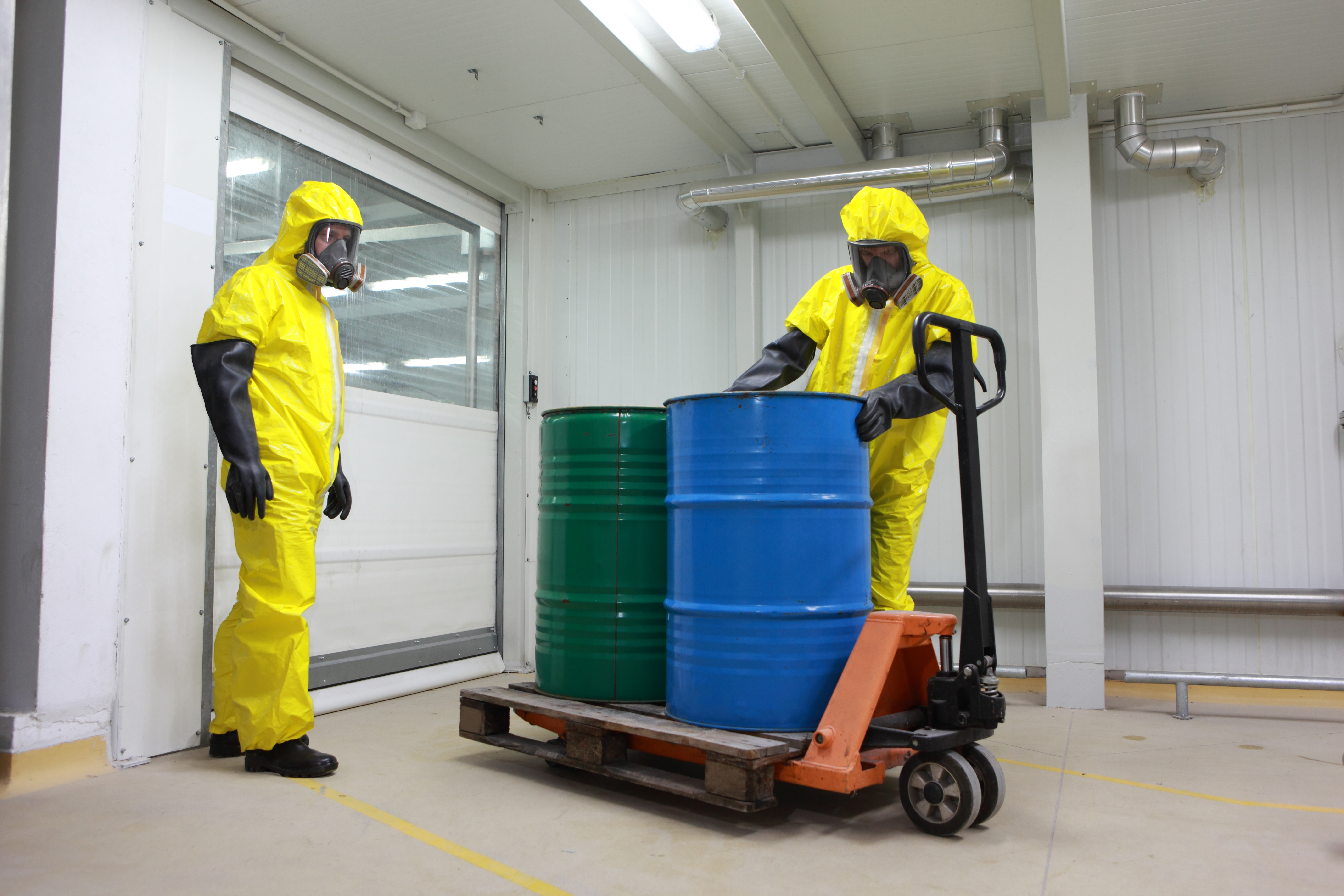
Wear coveralls or a chemical-resistant suit. This keeps coal tar off your skin and clothes.

Don’t forget your feet. Wear closed-toe, non-slip boots. Make sure they’re resistant to chemicals too.

Last but not least: respiratory protection. Use a mask with organic vapor cartridges. This filters out harmful fumes.

Remember, the best gear only works if you use it right. Check your equipment before each use. Replace anything that’s worn or damaged.

Storage Guidelines for Coal Tar

Storing coal tar isn’t like keeping leftovers in your fridge. It needs special care to stay safe. Let’s dive into how to store this tricky substance the right way.

Optimal Storage Conditions

Cool and dry – that’s the golden rule for storing coal tar. Aim for temperatures between 50°F and 77°F (10°C to 25°C).

Keep it away from sunlight. UV rays can change the chemical makeup of coal tar, making it unstable.

Use the right containers. They should be made of metal or high-density polyethylene. Make sure they’re tightly sealed to prevent leaks and vapor escape.

Don’t store too much in one place. Smaller amounts in several locations are safer than one big stockpile.

Label everything clearly. Each container should show what’s inside, the hazard class, and any specific warnings.

Preventing Hazards in Storage

Space is your friend when storing coal tar. Keep containers at least 3 feet apart. This stops problems from spreading if one container leaks.

Check your storage area often. Look for signs of damage, leaks, or corrosion. Catch problems early before they turn into disasters.

Keep other chemicals away. Some substances react badly with coal tar. Store them in separate areas to avoid dangerous mix-ups.

Have spill kits ready nearby. If something goes wrong, you can act fast to contain the problem.

Use proper grounding for metal containers. This prevents static electricity buildup, which could cause sparks.

Remember, good storage isn’t just about following rules. It’s about creating a safe environment for everyone who works with or near coal tar.

Transporting Hazardous Materials

Moving coal tar from point A to B isn’t as simple as loading up a truck. It takes careful planning and strict adherence to rules. Let’s break down what you need to know.

Flammable Liquid Regulations

Flammable liquids like coal tar have their own set of transport rules. These rules are there to keep everyone safe on the road.

First, use the right containers. They must be UN-approved for transporting flammable liquids. Each container needs clear labels showing the UN1136 code and hazard warnings.

Load your vehicle carefully. Secure containers so they can’t move during transport. Use non-sparking tools to avoid accidental ignition.

Keep coal tar separate from other cargo. Use dividers or separate compartments to prevent mixing if spills occur.

Plan your route ahead of time. Avoid populated areas when possible. Know where you can safely stop for breaks or emergencies.

Compliance with Transport Laws

Following transport laws isn’t optional – it’s a must. These rules change based on how much coal tar you’re moving and how far you’re going.

For small amounts, you might fall under limited quantity exceptions. This means less paperwork, but you still need proper packaging and labeling.

Larger shipments require a hazardous materials endorsement on your driver’s license. You’ll also need to carry shipping papers that detail what you’re transporting.

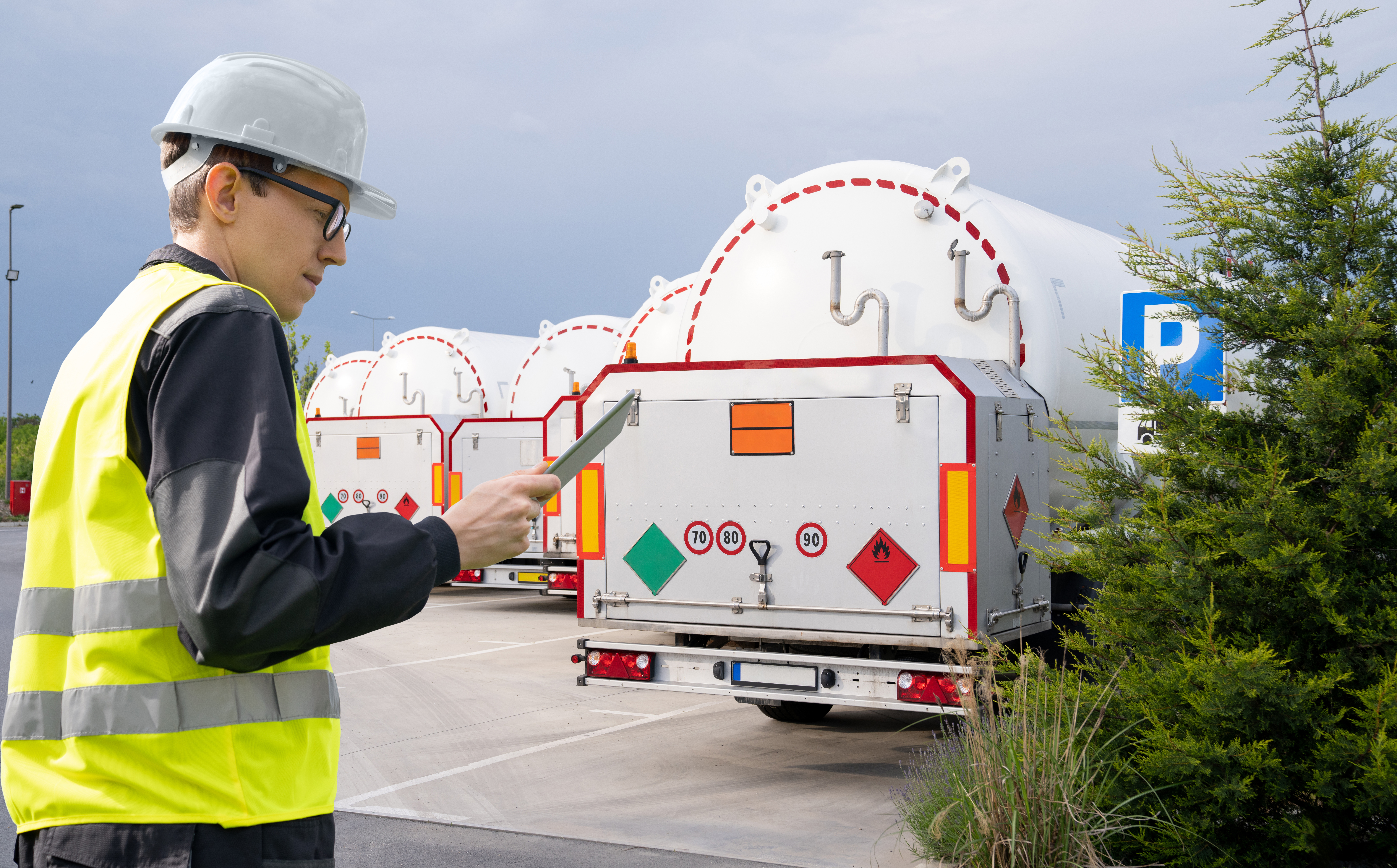
Display the right placards on your vehicle. These diamond-shaped signs tell emergency responders what’s inside if something goes wrong.

Train everyone involved in transport. Drivers, loaders, and anyone handling the coal tar need to know the risks and proper procedures.

Keep records of each shipment. This includes what was shipped, how much, and where it went. These records help if questions come up later.

Remember, transport laws can vary by state or country. Always check local regulations before planning a shipment.

Regulatory Compliance and Best Practices

Staying on top of regulations for coal tar isn’t just good business – it’s the law. Let’s explore the key rules you need to follow and how to keep up with changing standards.

Key Regulations to Follow

OSHA sets the rules for workplace safety when handling coal tar. They require proper training, safety equipment, and emergency plans.

The EPA regulates how coal tar affects the environment. They have strict rules about storage, spill prevention, and waste disposal.

DOT oversees the transport of hazardous materials like coal tar. They dictate packaging, labeling, and shipping requirements.

Local fire codes often have specific rules for storing flammable liquids. These can vary by city or state, so check your local regulations.

The Chemical Safety Board investigates incidents involving hazardous materials. Learning from their reports can help you avoid similar problems.

Staying Updated with Industry Standards

Safety standards for coal tar handling are always evolving. Staying current is key to keeping your workplace safe and legal.

Join industry associations related to hazardous materials. They often offer updates on new regulations and best practices.

Attend safety conferences and workshops. These events are great for learning about the latest techniques and equipment.

Subscribe to regulatory agency newsletters. OSHA, EPA, and DOT all offer email updates on rule changes.

Conduct regular internal audits of your procedures. This helps spot areas where you might be falling behind current standards.

Network with other professionals in your field. Sharing experiences can give you new insights into improving safety.

Remember, staying compliant isn’t just about avoiding fines. It’s about creating a culture of safety that protects your workers and your business.

Propane Transport Safety

Understanding UN1075: A Guide to Propane Transport Safety

Transporting propane isn’t just about moving gas from point A to B. It’s navigating a maze of regulations designed to keep everyone safe. UN1075 is more than a number; it’s your guide to ensuring safety and compliance in propane transport. Without the right placards and labels, you’re not just risking fines, but serious hazards. Dive into our guide to understand how to manage these challenges effectively and keep your operations smooth and secure. For more information on propane transport regulations, visit https://www.phmsa.dot.gov/regulations/title49/interp/18-0154.

Understanding UN1075 and Its Importance

UN1075 is a critical designation in the world of propane transport. This section will explore what UN1075 means, why it matters for transportation, and how companies play a role in maintaining compliance.

What is UN1075?

UN1075 is the United Nations identification number for liquefied petroleum gases, including propane. This designation is crucial for proper handling and transportation of these materials.

The UN1075 code signifies that the substance is a flammable gas, falling under Hazard Class 2.1. This classification is essential for determining the appropriate safety measures during transport.

Understanding UN1075 is vital for anyone involved in the propane supply chain, from manufacturers to distributors and end-users. It ensures that all parties are aware of the potential risks and necessary precautions associated with propane handling.

Significance of UN1075 in Transport

The UN1075 designation plays a pivotal role in ensuring safe transport of propane and other liquefied petroleum gases. It provides a standardized way to identify these materials across different modes of transportation.

By using the UN1075 code, transport companies can quickly recognize the nature of the cargo and implement the required safety protocols. This includes proper container selection, handling procedures, and emergency response plans.

The significance of UN1075 extends beyond national borders, facilitating international trade while maintaining consistent safety standards. For more information on international transport of propane, check out https://tfiworld.com/guide-to-safely-transporting-lpg-products-via-air/.

Companies’ Role in Compliance

Companies involved in propane transport have a crucial responsibility in ensuring compliance with UN1075 regulations. This involves multiple aspects of their operations.

Firstly, companies must ensure proper labeling and documentation of all propane shipments. This includes using the correct UN1075 placard and providing accurate safety data sheets.

Secondly, businesses need to train their staff on the handling and transport of UN1075 materials. This includes educating drivers, warehouse staff, and safety officers on the specific requirements and potential hazards.

Lastly, companies should regularly audit their processes to ensure ongoing compliance with UN1075 regulations. This proactive approach helps maintain safety standards and avoid potential penalties.

Propane Transport Regulations Explained

Propane transport is governed by a complex set of regulations designed to ensure safety. This section breaks down the key requirements, hazardous materials classifications, and the importance of proper labeling.

Key Propane Transport Requirements

Propane transport requirements are designed to minimize risks associated with this flammable gas. These regulations cover various aspects of the transportation process.

One key requirement is the use of appropriate containers for propane storage and transport. These containers must meet specific standards for pressure resistance and durability.

Another crucial aspect is the implementation of safety systems, such as pressure relief valves and emergency shut-off mechanisms. These systems help prevent accidents and mitigate potential risks during transport.

Proper documentation is also essential. This includes carrying safety data sheets and ensuring all paperwork accurately reflects the nature and quantity of the propane being transported. For more details on propane transport requirements, visit https://www.phmsa.dot.gov/content/3-g-propane-services-0.

Overview of Hazardous Materials Classifications

Hazardous materials are categorized into different classes based on their properties and potential risks. Understanding these classifications is crucial for proper handling and transport of propane.

Propane falls under Class 2 – Gases, specifically Subclass 2.1 – Flammable Gases. This classification indicates that propane can easily ignite and burn, posing significant fire hazards.

Other relevant classifications include Class 3 – Flammable Liquids and Class 9 – Miscellaneous Dangerous Goods. While propane primarily falls under Class 2.1, understanding these other classes can help in managing mixed cargo situations.

Placards and Labels for Safety

Placards and labels play a crucial role in communicating the hazards associated with propane transport. They provide quick, visual information about the contents of a shipment.

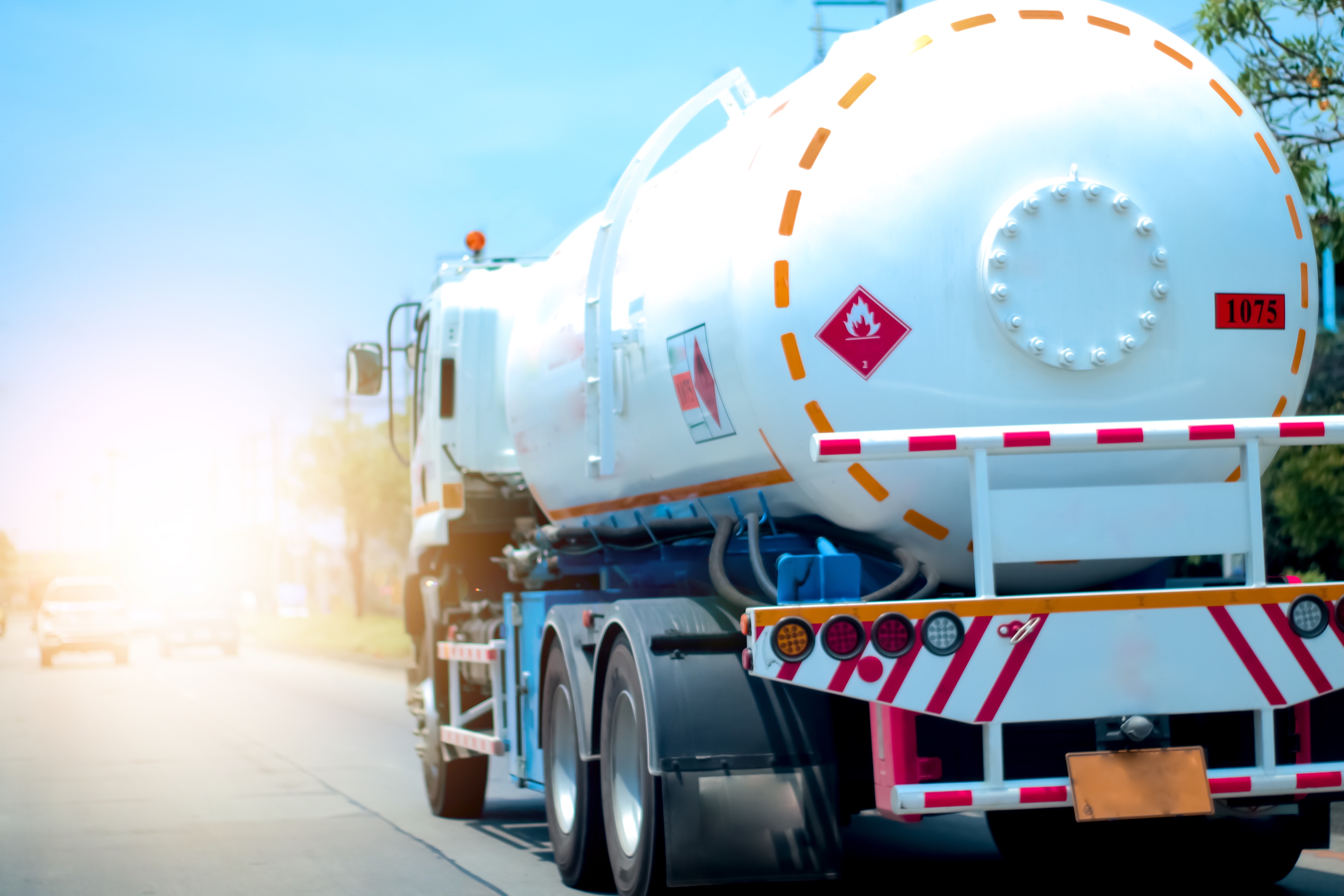
The standard placard for UN1075 (propane) is a red diamond with a flame symbol and the number “1075” displayed prominently. This placard must be visible on all sides of the transport vehicle.

In addition to placards, smaller labels may be required on individual containers. These labels provide more detailed information about the specific hazards and handling requirements.

Proper use of placards and labels is not just a regulatory requirement; it’s a critical safety measure. It ensures that everyone involved in the transport chain, including emergency responders, can quickly identify the nature of the cargo. For more information on placarding requirements, check out https://gacc.nifc.gov/oscc/logistics/docs/r5_haulback_guide.htm.

Ensuring Transport Safety for Propane

Safety is paramount when it comes to propane transport. This section explores strategies for managing flame gas safety, addressing environmental hazards, and best practices for safety officers.

Strategies for Managing Flame Gas Safety

Managing flame gas safety in propane transport requires a multi-faceted approach. It involves both preventive measures and emergency preparedness.

One key strategy is regular inspection and maintenance of transport vehicles and containers. This helps identify and address potential leaks or equipment failures before they become serious issues.

Training is another crucial aspect. All personnel involved in propane transport should be well-versed in safety procedures, including proper handling techniques and emergency response protocols.

Implementing strict no-smoking policies and controlling ignition sources around propane transport vehicles is also essential. These simple measures can significantly reduce the risk of fire or explosion.

Addressing Environmental Hazards in Propane Transport

While propane is generally considered a clean-burning fuel, its transport still poses potential environmental hazards that need to be addressed.

One major concern is the risk of leaks or spills during transport. Even small releases of propane can contribute to air pollution and potentially harm local ecosystems.

To mitigate these risks, transport companies should implement robust leak detection systems and have clear procedures for responding to spills or releases.

Another important aspect is route planning. Avoiding environmentally sensitive areas when transporting propane can help minimize the potential impact of any accidents or spills.

Best Practices for Safety Officers

Safety officers play a crucial role in ensuring the safe transport of propane. Following best practices can help them perform their duties more effectively.

  1. Stay updated on regulations: Safety officers should regularly review and understand the latest propane transport regulations.

  2. Conduct regular safety audits: Periodic checks of transport vehicles, equipment, and procedures can help identify and address potential safety issues.

  3. Foster a safety culture: Encouraging all employees to prioritize safety can lead to better overall compliance and fewer incidents.

  4. Prepare for emergencies: Developing and regularly practicing emergency response plans is crucial for effective incident management.

  5. Collaborate with other departments: Working closely with drivers, maintenance teams, and management ensures a comprehensive approach to safety.

For more information on propane safety best practices, visit https://energybrokerage.agency/.

Compliance in Propane Transport

Compliance is a critical aspect of propane transport. This section delves into legal requirements, risk management strategies, and successful compliance case studies.

Legal Requirements and Compliance

Legal requirements for propane transport are designed to ensure safety and environmental protection. Compliance with these regulations is mandatory for all companies involved in the propane supply chain.

Key legal requirements include proper licensing for drivers and vehicles, adherence to specific route restrictions, and compliance with packaging and labeling standards.

Companies must also maintain accurate records of their propane transport activities, including detailed logs of shipments, safety inspections, and any incidents or near-misses.

Regular training and certification of personnel involved in propane transport is another crucial legal requirement. This ensures that all staff are up-to-date with the latest safety procedures and regulations.

Risk Management Strategies

Effective risk management is essential for safe and compliant propane transport. It involves identifying potential hazards and implementing measures to mitigate them.

One key strategy is conducting regular risk assessments. This involves evaluating all aspects of the transport process to identify potential weak points or areas of concern.

Implementing a robust maintenance program for all transport vehicles and equipment is another important risk management strategy. This helps prevent mechanical failures that could lead to accidents.

Developing and regularly updating emergency response plans is also crucial. These plans should cover various scenarios, from minor leaks to major accidents, and be well-communicated to all relevant personnel.

Case Studies of Successful Compliance

Examining real-world examples of successful compliance can provide valuable insights for companies involved in propane transport.

Case Study 1: XYZ Propane Distributors

  • Implemented a comprehensive digital tracking system for all shipments

  • Reduced compliance violations by 85% over two years

  • Achieved perfect safety record for three consecutive years

Case Study 2: ABC Transport Solutions

  • Developed an innovative driver training program focusing on propane safety

  • Decreased incident rates by 70% in the first year of implementation

  • Received industry recognition for their safety initiatives

These case studies highlight the importance of proactive approaches to compliance and safety in propane transport.

Future of Propane Transport Safety

The landscape of propane transport safety is continually evolving. This section explores emerging technologies, regulatory changes, and industry collaborations shaping the future of propane transport.

Innovations in Safety Technology

Technological advancements are playing an increasingly important role in enhancing propane transport safety.

New sensor technologies are being developed to detect leaks more accurately and quickly. These sensors can provide real-time data on the condition of propane containers during transport.

GPS tracking systems are becoming more sophisticated, allowing for better route planning and real-time monitoring of propane shipments. This can help in avoiding high-risk areas and responding quickly to any incidents.

Advanced materials are also being explored for propane containers, aiming to increase durability and reduce the risk of leaks or ruptures during transport.

Evolving Regulatory Landscape

The regulatory framework for propane transport is not static; it continues to evolve in response to new challenges and technological advancements.

There’s a growing trend towards harmonization of international regulations, aiming to streamline cross-border propane transport while maintaining high safety standards.

Regulatory bodies are also focusing more on data-driven approaches, using incident reports and safety statistics to inform new regulations and guidelines.

Environmental considerations are becoming increasingly important in propane transport regulations, with a focus on reducing emissions and improving overall sustainability.

Collaborative Efforts in the Industry

The future of propane transport safety is likely to be shaped by increased collaboration within the industry.

Industry associations are playing a larger role in developing best practices and advocating for sensible regulations. These collaborative efforts help ensure that safety measures are both effective and practical.

Partnerships between transport companies, technology providers, and regulatory bodies are becoming more common. These collaborations can lead to innovative solutions that improve safety across the entire propane supply chain.

Information sharing platforms are being developed to allow companies to learn from each other’s experiences and incidents. This collective approach to safety can help prevent future accidents and improve overall industry standards.

For more information on the future of propane transport and safety innovations, visit https://www.pembina.com/getmedia/1dfd513a-8aaa-4af2-b855-a12d1ff5e528/Propane-Plus,-UN1075,-Non-toxic-OSHA-WHMIS-GHS-SDS-2021-01-18.pdf.


Natural Gas Guidelines

Understanding UN 1972: Key Insights into Natural Gas Transportation and Safety Regulations

Transporting natural gas safely is more than just a logistical challenge—it’s a necessity. With UN 1972 at the forefront, the focus shifts to navigating the complex world of cryogenic liquid and flammable gases. As a professional in this field, understanding the intricacies of Transport Hazard Class 2.1 isn’t just beneficial; it’s crucial. Dive into the key insights of LNG regulations and discover the safety precautions that ensure the secure passage of liquefied natural gas across borders. For more information on UN 1972 and its classification, visit https://cameochemicals.noaa.gov/unna/1972.

Introduction to UN 1972

This section provides a comprehensive overview of UN 1972, its definition, importance in logistics, and an introduction to cryogenic liquids. We’ll explore the fundamental aspects that make UN 1972 a crucial component in natural gas transportation.

Defining UN 1972

UN 1972 is the United Nations number assigned to Natural gas, refrigerated liquid (cryogenic liquid) with high methane content. This designation is essential for the safe transportation of liquefied natural gas (LNG) and other cryogenic methane.

The classification falls under Transport Hazard Class 2.1, which encompasses flammable gases. This categorization helps ensure proper handling and safety measures during transportation.

Understanding UN 1972 is crucial for professionals involved in the logistics and transportation of natural gas. It serves as a universal identifier, allowing for consistent safety protocols across different countries and regions.

Importance of UN 1972 in Logistics

UN 1972 plays a vital role in the logistics of natural gas transportation. It provides a standardized system for identifying and handling LNG during transit, ensuring safety across various modes of transport.

This classification helps logistics professionals implement appropriate safety measures, select suitable containers, and follow proper handling procedures. It also facilitates compliance with international regulations and standards.

The importance of UN 1972 extends beyond mere identification. It serves as a cornerstone for risk assessment, emergency response planning, and the development of safety protocols in the natural gas industry.

Overview of Cryogenic Liquids

Cryogenic liquids are gases that have been cooled to extremely low temperatures, causing them to liquefy. In the case of natural gas, this process occurs at approximately -162°C (-260°F).

These ultra-cold liquids present unique challenges in handling and transportation. They require specialized equipment and safety measures to prevent rapid expansion and potential hazards.

Understanding the properties of cryogenic liquids is essential for anyone involved in the transportation of LNG. This knowledge forms the foundation for implementing effective safety measures and handling procedures.

Natural Gas Transportation Basics

This section delves into the fundamental aspects of natural gas transportation, focusing on the key characteristics of LNG, its classification as a flammable gas, and an explanation of Transport Hazard Class 2.1.

Key Characteristics of LNG

Liquefied Natural Gas (LNG) is natural gas that has been cooled to a liquid state for ease of storage and transport. Its primary component is methane, typically comprising 85% to 95% of the mixture.

LNG is colorless, odorless, and non-toxic. It occupies about 1/600th of the volume of natural gas in its gaseous state, making it much more efficient to transport over long distances.

One of the most important characteristics of LNG is its cryogenic nature. At atmospheric pressure, it must be kept at extremely low temperatures to maintain its liquid state, which presents unique challenges in handling and storage.

Flammable Gas Classification

Natural gas, including LNG, is classified as a flammable gas due to its ability to ignite and burn when mixed with air in the right proportions. This classification is crucial for determining appropriate safety measures during transportation and storage.

The flammability range of natural gas is between 5% and 15% concentration in air. Below 5%, the mixture is too lean to burn, while above 15%, it’s too rich.

Understanding this classification is essential for implementing proper safety protocols and emergency response procedures. It informs the design of storage facilities, transportation vessels, and handling equipment.

Transport Hazard Class 2.1 Explained

Transport Hazard Class 2.1 is a classification used for flammable gases, including LNG. This classification is part of the United Nations’ system for the transport of dangerous goods.

Gases in this class are defined as substances that are flammable when mixed with air at 20°C and standard atmospheric pressure. They have a flash point below 23°C.

This classification dictates specific requirements for packaging, labeling, and handling during transportation. It also informs emergency responders about the nature of the hazard in case of an incident. For more details on Transport Hazard Class 2.1, refer to https://www.ecfr.gov/current/title-49/subtitle-B/chapter-I/subchapter-C/part-173/subpart-D/section-173.115.

Safety Regulations for LNG

This section explores the safety regulations governing LNG transportation, including international standards, national guidelines, and the implementation of safety precautions.

International Safety Standards

International safety standards for LNG transportation are designed to ensure consistent safety practices across different countries and regions. These standards cover various aspects of LNG handling and transport.

The International Maritime Organization (IMO) has established the International Code for the Construction and Equipment of Ships Carrying Liquefied Gases in Bulk (IGC Code). This code sets standards for the design and construction of LNG carriers.

Other important international standards include those set by the International Organization for Standardization (ISO) and the International Electrotechnical Commission (IEC). These standards cover aspects such as LNG facilities, equipment, and risk management.

National Safety Guidelines

In addition to international standards, many countries have their own national safety guidelines for LNG transportation. These guidelines often build upon international standards while addressing specific local concerns.

In the United States, for example, the Department of Transportation’s Pipeline and Hazardous Materials Safety Administration (PHMSA) oversees LNG safety regulations. They provide detailed guidelines on LNG facility siting, design, construction, equipment, and fire protection.

National guidelines often include specific requirements for operator training, emergency response planning, and community awareness programs. These measures help ensure that LNG transportation is conducted safely within each country’s borders.

Implementing Safety Precautions

Implementing safety precautions for LNG transportation involves a comprehensive approach that covers all aspects of the process. This includes proper training for personnel, regular equipment maintenance, and adherence to strict operational procedures.

Key safety precautions include:

  1. Use of appropriate personal protective equipment (PPE)

  2. Regular inspection and maintenance of LNG containers and transportation equipment

  3. Implementation of robust emergency response plans

  4. Continuous monitoring of LNG temperature and pressure during transport

For a detailed guide on LNG safety precautions, visit https://hammer.hanford.gov/files.cfm/LNG_Preparedness_Fact_Sheet1.pdf.

Challenges in LNG Transport

This section addresses the key challenges faced in LNG transportation, including managing cryogenic temperatures, addressing flammable risks, and considering environmental impacts.

Managing Cryogenic Temperatures

Managing the extremely low temperatures required for LNG transportation is one of the most significant challenges in the industry. LNG must be kept at around -162°C (-260°F) to remain in its liquid state.

This requires specialized cryogenic containers and equipment designed to withstand these temperatures without becoming brittle or failing. Regular monitoring and maintenance of these systems are crucial to prevent leaks or equipment failure.

Another challenge is managing the potential for rapid expansion if LNG warms and returns to its gaseous state. This requires careful pressure management and venting systems to prevent over-pressurization of containers.

Addressing Flammable Risks

The flammable nature of LNG presents significant safety challenges during transportation. If LNG vapors mix with air in the right proportions, they can ignite, potentially leading to fires or explosions.

To address this risk, strict safety protocols are implemented, including:

  • Regular monitoring for leaks

  • Use of gas detection systems

  • Implementation of vapor dispersion models

  • Establishment of safety zones around LNG facilities and transportation routes

Emergency response planning is also crucial, with specialized training for first responders on how to handle LNG-related incidents. For more information on emergency response guidelines, refer to https://www.phmsa.dot.gov/sites/phmsa.dot.gov/files/docs/ERG2016.pdf.

Environmental Impact Considerations

While natural gas is often considered a cleaner alternative to other fossil fuels, its transportation still has potential environmental impacts that need to be addressed.

One concern is the possibility of methane leaks during transportation. Methane is a potent greenhouse gas, and even small leaks can have significant environmental impacts. This necessitates rigorous leak detection and prevention measures.

Another consideration is the energy required for the liquefaction and regasification processes. Efforts are ongoing to improve the efficiency of these processes and reduce their environmental footprint.

Future of Natural Gas Transportation

This section explores the future of natural gas transportation, including advancements in transportation methods, evolving regulations, and the role of technology in improving safety.

Advancements in Transportation Methods

The future of natural gas transportation is likely to see significant advancements in both technology and methods. One area of development is in the design of LNG carriers, with a focus on increasing capacity while improving safety and efficiency.

Another promising area is the development of small-scale LNG transportation solutions. These could allow for more flexible distribution networks, particularly in areas where large-scale infrastructure is not feasible.

Advancements in materials science may also lead to improved insulation and containment systems, potentially reducing the energy required to keep LNG at cryogenic temperatures during transport.

Evolving LNG Regulations

As the LNG industry continues to grow and evolve, regulations are likely to adapt to new challenges and opportunities. This may include updates to safety standards, environmental regulations, and international agreements on LNG transportation.

There’s an increasing focus on harmonizing regulations across different countries and regions to facilitate smoother international LNG trade. This could lead to more standardized safety protocols and equipment specifications.

Future regulations may also place a greater emphasis on environmental considerations, potentially including stricter standards for methane leak prevention and energy efficiency in LNG transportation.

Role of Technology in Safety Improvements

Technology is playing an increasingly important role in improving the safety of LNG transportation. Advanced monitoring systems, for example, can provide real-time data on temperature, pressure, and potential leaks.

Artificial intelligence and machine learning algorithms are being developed to predict potential equipment failures before they occur, allowing for proactive maintenance and reducing the risk of accidents.

Virtual and augmented reality technologies are also being used to enhance training programs for LNG handling and emergency response. These tools can provide realistic simulations of various scenarios, improving preparedness and safety.

For more information on the future of LNG transportation and safety, visit https://energybrokerage.agency/ and https://www.pgworks.com/uploads/pdfs/LNGSafetyData.pdf.


Electricity Essentials

Essential Safety Measures for Using Electricity in the Energy Sector

Electricity keeps our world humming, lighting up homes and powering factories. But are you aware of the crucial safety measures that ensure you stay protected? Understanding electricity basics is not just for engineers—it’s vital for anyone relying on this powerful force. Imagine knowing exactly how electricity generation and energy transmission work, and how to safely handle household appliances and industrial machinery. In this post, you’ll uncover essential tips that could prevent hazards and make your connection with electricity safer. For more information on electrical safety in the energy sector, check out this guide from OSHA.

Understanding Electricity Basics

Electricity is a fundamental force that powers our modern world. Before we dive into safety measures, it’s crucial to grasp the core concepts of electricity and how it impacts our daily lives.

Key Concepts of Electricity

Electricity is the flow of electrical charge through a conductor. This flow is measured in amperes (amps), while the force driving this flow is called voltage, measured in volts. The resistance to this flow is measured in ohms.

Ohm’s Law relates these three concepts: Voltage = Current x Resistance. This fundamental relationship helps us understand how electricity behaves in circuits.

Another important concept is power, measured in watts, which represents the rate at which electrical energy is transferred. Power is calculated by multiplying voltage by current.

Understanding these basic concepts is crucial for safely working with electricity and electrical systems.

How Electricity Powers Our Lives

Electricity has become an integral part of our daily lives, powering everything from small gadgets to large industrial machinery. Here’s how it works:

  1. Electricity is generated at power plants using various sources like coal, natural gas, nuclear energy, or renewable sources like solar and wind.

  2. This electricity is then transmitted over long distances through high-voltage power lines.

  3. At local substations, the voltage is stepped down for distribution to homes and businesses.

In our homes, electricity powers lighting, heating, cooling, and various appliances. In industry, it drives motors, powers computer systems, and enables complex manufacturing processes.

The ubiquity of electricity in our lives underscores the importance of understanding its safe use and management. For more information on how electricity impacts our daily lives, visit Energy Brokerage Agency.

Electricity Generation and Its Processes

Electricity generation is a complex process that involves converting various forms of energy into electrical power. This section explores the primary sources of electricity and emerging technologies in the field.

Primary Sources of Electricity

Fossil fuels remain a significant source of electricity worldwide. Coal, natural gas, and oil are burned to heat water, creating steam that drives turbines connected to generators.

Nuclear power plants use the heat from nuclear fission to generate electricity. While controversial, nuclear energy provides a substantial portion of baseload power in many countries.

Renewable energy sources are gaining prominence:

  • Solar panels convert sunlight directly into electricity

  • Wind turbines harness wind energy to generate power

  • Hydroelectric dams use the force of flowing water to spin turbines

Each of these sources has its advantages and challenges in terms of cost, reliability, and environmental impact.

Emerging Technologies in Generation

Smart grids are revolutionizing electricity distribution. These systems use digital technology to improve reliability, efficiency, and sustainability of the electrical grid.

Energy storage technologies, particularly advanced batteries, are becoming crucial. They allow for better integration of intermittent renewable sources like solar and wind.

Fusion power, still in experimental stages, promises virtually limitless clean energy by replicating the sun’s energy production process on Earth.

Microgrids and distributed generation are gaining traction, allowing for more resilient and localized power systems.

These emerging technologies are shaping the future of electricity generation, aiming for cleaner, more efficient, and more reliable power systems.

Energy Transmission Explained

Energy

transmission is the process of moving electrical power from generation sites to end-users. This complex system is crucial for delivering electricity to homes, businesses, and industries across vast distances.

From Power Plants to Homes

The journey of electricity from power plants to homes involves several steps:

  1. Generation: Electricity is produced at power plants.

  2. Step-up Transformation: Voltage is increased for long-distance transmission.

  3. Transmission: High-voltage lines carry electricity over long distances.

  4. Step-down Transformation: At substations, voltage is reduced for local distribution.

  5. Distribution: Lower voltage lines carry electricity to neighborhoods.

  6. Final Transformation: Transformers on poles or in underground vaults further reduce voltage for home use.

This system ensures efficient delivery of electricity across large areas while minimizing power losses.

Challenges in Energy Transmission

Power losses during transmission are a significant challenge. As electricity travels through power lines, some energy is lost as heat due to resistance in the wires.

Grid stability is another crucial concern. The electrical grid must maintain a delicate balance between supply and demand to prevent blackouts or equipment damage.

Aging infrastructure poses risks to reliability and efficiency. Many countries face the need to upgrade their transmission systems to meet growing demand and incorporate new technologies.

Cybersecurity has become a critical issue as grids become more digitalized and interconnected. Protecting these systems from cyber attacks is an ongoing challenge.

Addressing these challenges is vital for maintaining a reliable and efficient energy transmission system. For more information on energy transmission, visit Duke Energy’s safety page.

Safety Measures in the Energy Sector

Safety is paramount in the energy sector, where the potential for accidents can have severe consequences. This section explores crucial safety measures for both consumers and professionals working with electricity.

Protecting Consumers and Professionals

Proper training is essential for anyone working with electricity. This includes understanding potential hazards and knowing how to use safety equipment correctly.

Personal Protective Equipment (PPE) is crucial. This may include insulated gloves, safety glasses, and flame-resistant clothing.

Regular equipment inspections help identify potential hazards before they cause accidents. This includes checking for frayed wires, loose connections, and other signs of wear or damage.

Lockout/Tagout procedures ensure that electrical equipment is properly shut off and cannot be restarted before maintenance or repair work is completed.

For consumers, awareness of basic electrical safety is important. This includes understanding the risks of overloading circuits and the importance of using certified electrical products.

Safety Protocols for Industrial Machinery

Industrial settings require stringent safety measures due to the high voltages and currents involved. Key protocols include:

  1. Grounding and Bonding: Ensures that electrical systems have a safe path for excess current to dissipate.

  2. Insulation and Guarding: Protects workers from accidental contact with live electrical parts.

  3. Arc Flash Protection: Implements measures to protect against the intense heat and light produced by electrical arcs.

  4. Emergency Shutdown Procedures: Establishes clear protocols for quickly de-energizing systems in case of emergencies.

Regular safety audits and updates to safety protocols are essential as technology and work practices evolve.

For more information on industrial electrical safety, visit Grace Technologies’ blog on renewable energy and electrical safety.

Electricity in Everyday Applications

Electricity is an integral part of our daily lives, powering everything from small household appliances to large industrial machinery. Understanding how to use electricity safely in these various settings is crucial for preventing accidents and ensuring efficient operation.

Safe Use of Household Appliances

Proper usage of household appliances is key to electrical safety at home. Always follow manufacturer instructions and avoid overloading outlets.

Regular maintenance of appliances can prevent electrical hazards. This includes checking for frayed cords, loose plugs, and any signs of wear or damage.

GFCI outlets (Ground Fault Circuit Interrupters) should be installed in areas with water exposure, such as kitchens and bathrooms. These outlets quickly shut off power when they detect a ground fault, preventing electric shocks.

Surge protectors can safeguard sensitive electronics from power surges. However, remember that these devices have a limited lifespan and should be replaced periodically.

Educating family members, especially children, about electrical safety is crucial. Teach them never to insert objects into outlets and to keep electrical devices away from water.

Best Practices for Industrial Settings

Industrial settings often involve high-voltage equipment and complex electrical systems. Following best practices is crucial for safety:

  1. Implement a comprehensive safety program that includes regular training, safety audits, and clear communication of safety protocols.

  2. Use appropriate Personal Protective Equipment (PPE) for all electrical work. This may include insulated gloves, safety glasses, and arc-rated clothing.

  3. Follow proper Lockout/Tagout procedures to ensure equipment is de-energized before maintenance or repair work begins.

  4. Regularly inspect and maintain electrical equipment to identify and address potential hazards before they cause accidents.

  5. Establish clear emergency procedures and ensure all workers are familiar with them.

For more information on electrical safety in industrial settings, visit Vector Solutions’ guide to power generation safety strategies.

By following these safety measures and best practices, we can harness the power of electricity while minimizing risks in both household and industrial settings. Remember, when it comes to electrical safety, knowledge and caution are your best tools. For specific safety guidelines in oil and gas industries, check out FatFinger’s guide on electrical hazards in oil and gas.