

Understanding UN1075: A Guide to Propane Transport Safety
Transporting propane isn’t just about moving gas from point A to B. It’s navigating a maze of regulations designed to keep everyone safe. UN1075 is more than a number; it’s your guide to ensuring safety and compliance in propane transport. Without the right placards and labels, you’re not just risking fines, but serious hazards. Dive into our guide to understand how to manage these challenges effectively and keep your operations smooth and secure. For more information on propane transport regulations, visit https://www.phmsa.dot.gov/regulations/title49/interp/18-0154.
Understanding UN1075 and Its Importance
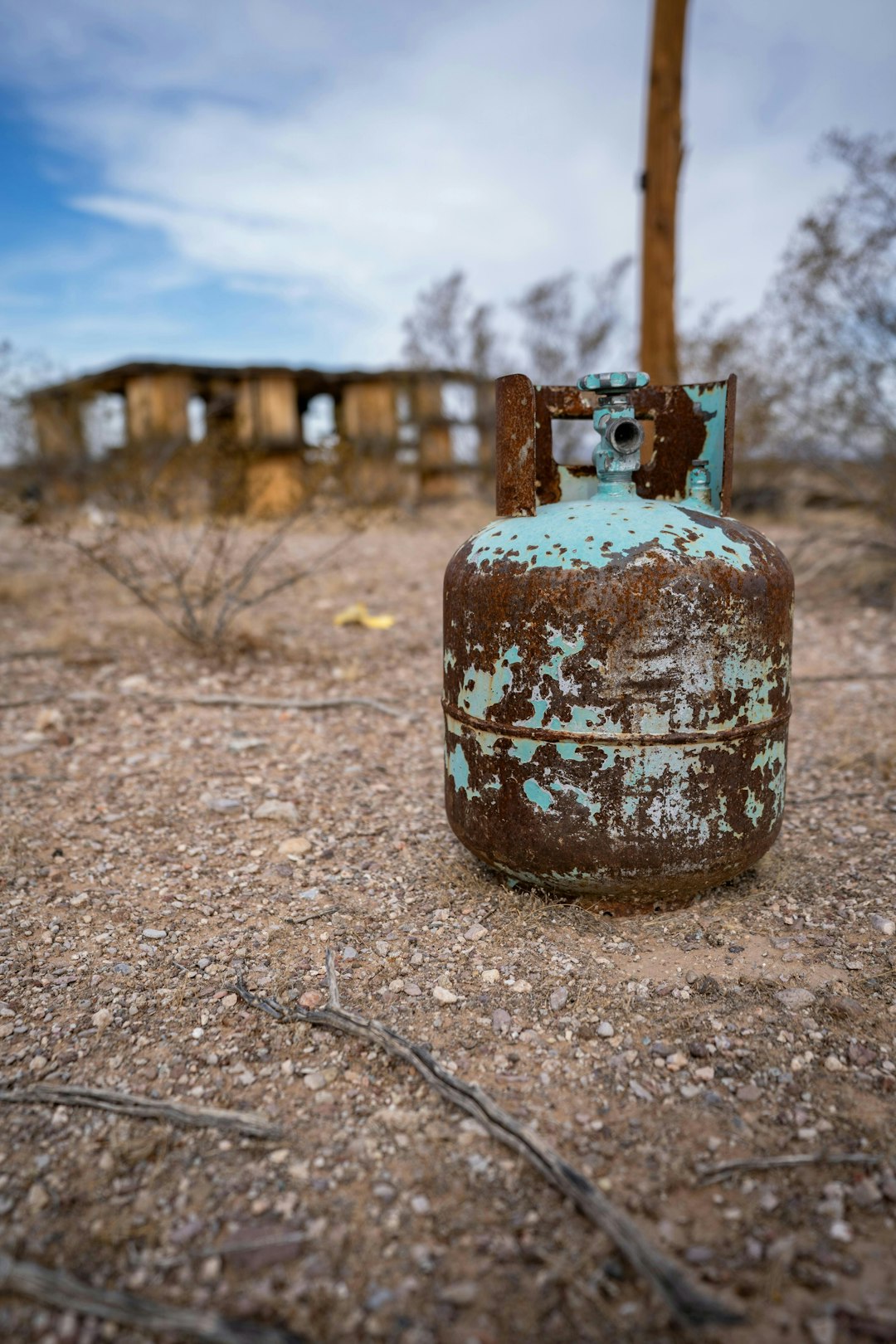
UN1075 is a critical designation in the world of propane transport. This section will explore what UN1075 means, why it matters for transportation, and how companies play a role in maintaining compliance.
What is UN1075?
UN1075 is the United Nations identification number for liquefied petroleum gases, including propane. This designation is crucial for proper handling and transportation of these materials.
The UN1075 code signifies that the substance is a flammable gas, falling under Hazard Class 2.1. This classification is essential for determining the appropriate safety measures during transport.
Understanding UN1075 is vital for anyone involved in the propane supply chain, from manufacturers to distributors and end-users. It ensures that all parties are aware of the potential risks and necessary precautions associated with propane handling.
Significance of UN1075 in Transport
The UN1075 designation plays a pivotal role in ensuring safe transport of propane and other liquefied petroleum gases. It provides a standardized way to identify these materials across different modes of transportation.
By using the UN1075 code, transport companies can quickly recognize the nature of the cargo and implement the required safety protocols. This includes proper container selection, handling procedures, and emergency response plans.
The significance of UN1075 extends beyond national borders, facilitating international trade while maintaining consistent safety standards. For more information on international transport of propane, check out https://tfiworld.com/guide-to-safely-transporting-lpg-products-via-air/.
Companies’ Role in Compliance
Companies involved in propane transport have a crucial responsibility in ensuring compliance with UN1075 regulations. This involves multiple aspects of their operations.
Firstly, companies must ensure proper labeling and documentation of all propane shipments. This includes using the correct UN1075 placard and providing accurate safety data sheets.
Secondly, businesses need to train their staff on the handling and transport of UN1075 materials. This includes educating drivers, warehouse staff, and safety officers on the specific requirements and potential hazards.
Lastly, companies should regularly audit their processes to ensure ongoing compliance with UN1075 regulations. This proactive approach helps maintain safety standards and avoid potential penalties.
Propane Transport Regulations Explained

Propane transport is governed by a complex set of regulations designed to ensure safety. This section breaks down the key requirements, hazardous materials classifications, and the importance of proper labeling.
Key Propane Transport Requirements
Propane transport requirements are designed to minimize risks associated with this flammable gas. These regulations cover various aspects of the transportation process.
One key requirement is the use of appropriate containers for propane storage and transport. These containers must meet specific standards for pressure resistance and durability.
Another crucial aspect is the implementation of safety systems, such as pressure relief valves and emergency shut-off mechanisms. These systems help prevent accidents and mitigate potential risks during transport.
Proper documentation is also essential. This includes carrying safety data sheets and ensuring all paperwork accurately reflects the nature and quantity of the propane being transported. For more details on propane transport requirements, visit https://www.phmsa.dot.gov/content/3-g-propane-services-0.
Overview of Hazardous Materials Classifications
Hazardous materials are categorized into different classes based on their properties and potential risks. Understanding these classifications is crucial for proper handling and transport of propane.
Propane falls under Class 2 – Gases, specifically Subclass 2.1 – Flammable Gases. This classification indicates that propane can easily ignite and burn, posing significant fire hazards.
Other relevant classifications include Class 3 – Flammable Liquids and Class 9 – Miscellaneous Dangerous Goods. While propane primarily falls under Class 2.1, understanding these other classes can help in managing mixed cargo situations.
Placards and Labels for Safety
Placards and labels play a crucial role in communicating the hazards associated with propane transport. They provide quick, visual information about the contents of a shipment.
The standard placard for UN1075 (propane) is a red diamond with a flame symbol and the number “1075” displayed prominently. This placard must be visible on all sides of the transport vehicle.
In addition to placards, smaller labels may be required on individual containers. These labels provide more detailed information about the specific hazards and handling requirements.
Proper use of placards and labels is not just a regulatory requirement; it’s a critical safety measure. It ensures that everyone involved in the transport chain, including emergency responders, can quickly identify the nature of the cargo. For more information on placarding requirements, check out https://gacc.nifc.gov/oscc/logistics/docs/r5_haulback_guide.htm.
Ensuring Transport Safety for Propane

Safety is paramount when it comes to propane transport. This section explores strategies for managing flame gas safety, addressing environmental hazards, and best practices for safety officers.
Strategies for Managing Flame Gas Safety
Managing flame gas safety in propane transport requires a multi-faceted approach. It involves both preventive measures and emergency preparedness.
One key strategy is regular inspection and maintenance of transport vehicles and containers. This helps identify and address potential leaks or equipment failures before they become serious issues.
Training is another crucial aspect. All personnel involved in propane transport should be well-versed in safety procedures, including proper handling techniques and emergency response protocols.
Implementing strict no-smoking policies and controlling ignition sources around propane transport vehicles is also essential. These simple measures can significantly reduce the risk of fire or explosion.
Addressing Environmental Hazards in Propane Transport
While propane is generally considered a clean-burning fuel, its transport still poses potential environmental hazards that need to be addressed.
One major concern is the risk of leaks or spills during transport. Even small releases of propane can contribute to air pollution and potentially harm local ecosystems.
To mitigate these risks, transport companies should implement robust leak detection systems and have clear procedures for responding to spills or releases.
Another important aspect is route planning. Avoiding environmentally sensitive areas when transporting propane can help minimize the potential impact of any accidents or spills.
Best Practices for Safety Officers
Safety officers play a crucial role in ensuring the safe transport of propane. Following best practices can help them perform their duties more effectively.
Stay updated on regulations: Safety officers should regularly review and understand the latest propane transport regulations.
Conduct regular safety audits: Periodic checks of transport vehicles, equipment, and procedures can help identify and address potential safety issues.
Foster a safety culture: Encouraging all employees to prioritize safety can lead to better overall compliance and fewer incidents.
Prepare for emergencies: Developing and regularly practicing emergency response plans is crucial for effective incident management.
Collaborate with other departments: Working closely with drivers, maintenance teams, and management ensures a comprehensive approach to safety.
For more information on propane safety best practices, visit https://energybrokerage.agency/.
Compliance in Propane Transport
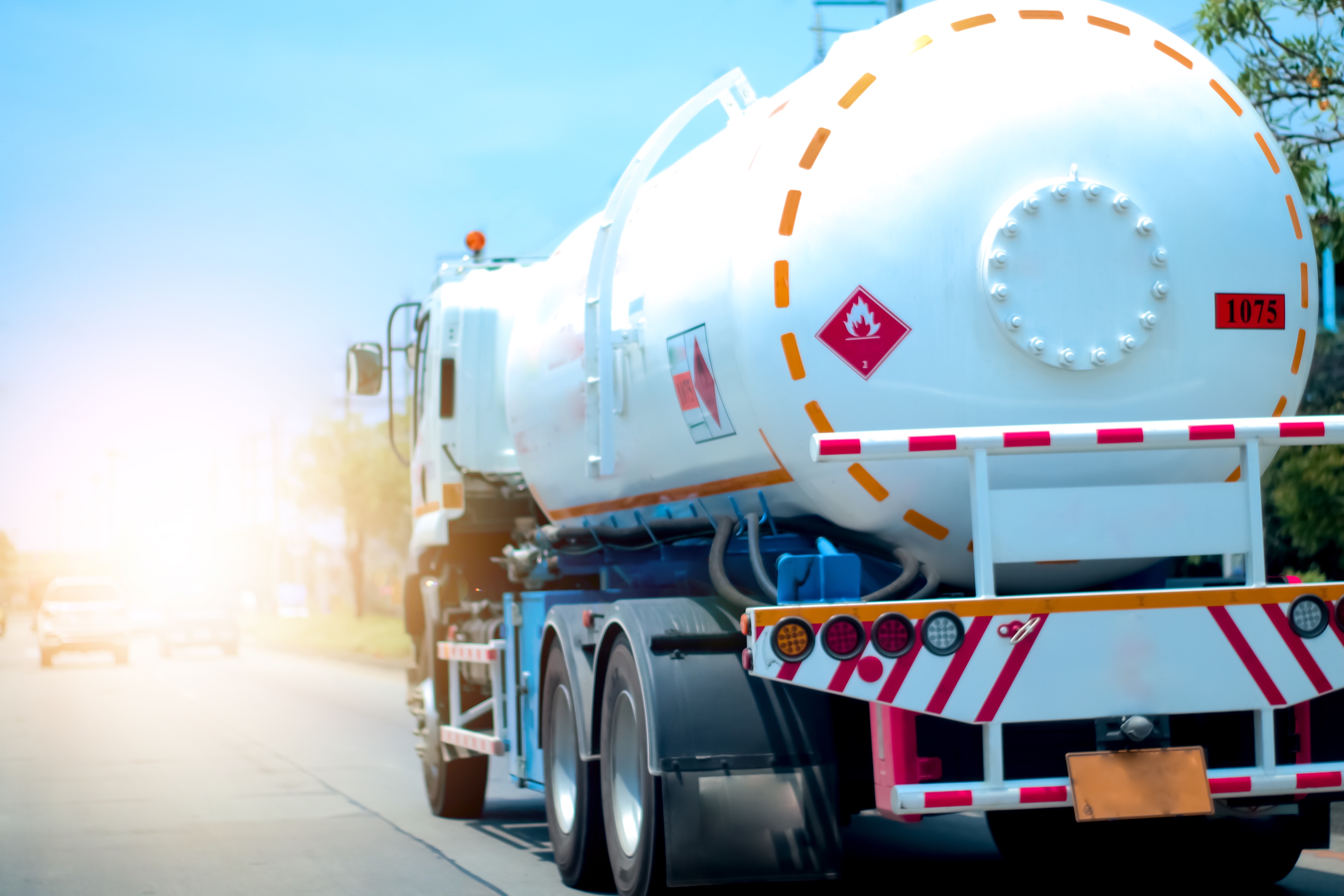
Compliance is a critical aspect of propane transport. This section delves into legal requirements, risk management strategies, and successful compliance case studies.
Legal Requirements and Compliance
Legal requirements for propane transport are designed to ensure safety and environmental protection. Compliance with these regulations is mandatory for all companies involved in the propane supply chain.
Key legal requirements include proper licensing for drivers and vehicles, adherence to specific route restrictions, and compliance with packaging and labeling standards.
Companies must also maintain accurate records of their propane transport activities, including detailed logs of shipments, safety inspections, and any incidents or near-misses.
Regular training and certification of personnel involved in propane transport is another crucial legal requirement. This ensures that all staff are up-to-date with the latest safety procedures and regulations.
Risk Management Strategies
Effective risk management is essential for safe and compliant propane transport. It involves identifying potential hazards and implementing measures to mitigate them.
One key strategy is conducting regular risk assessments. This involves evaluating all aspects of the transport process to identify potential weak points or areas of concern.
Implementing a robust maintenance program for all transport vehicles and equipment is another important risk management strategy. This helps prevent mechanical failures that could lead to accidents.
Developing and regularly updating emergency response plans is also crucial. These plans should cover various scenarios, from minor leaks to major accidents, and be well-communicated to all relevant personnel.
Case Studies of Successful Compliance
Examining real-world examples of successful compliance can provide valuable insights for companies involved in propane transport.
Case Study 1: XYZ Propane Distributors
Implemented a comprehensive digital tracking system for all shipments
Reduced compliance violations by 85% over two years
Achieved perfect safety record for three consecutive years
Case Study 2: ABC Transport Solutions
Developed an innovative driver training program focusing on propane safety
Decreased incident rates by 70% in the first year of implementation
Received industry recognition for their safety initiatives
These case studies highlight the importance of proactive approaches to compliance and safety in propane transport.
Future of Propane Transport Safety
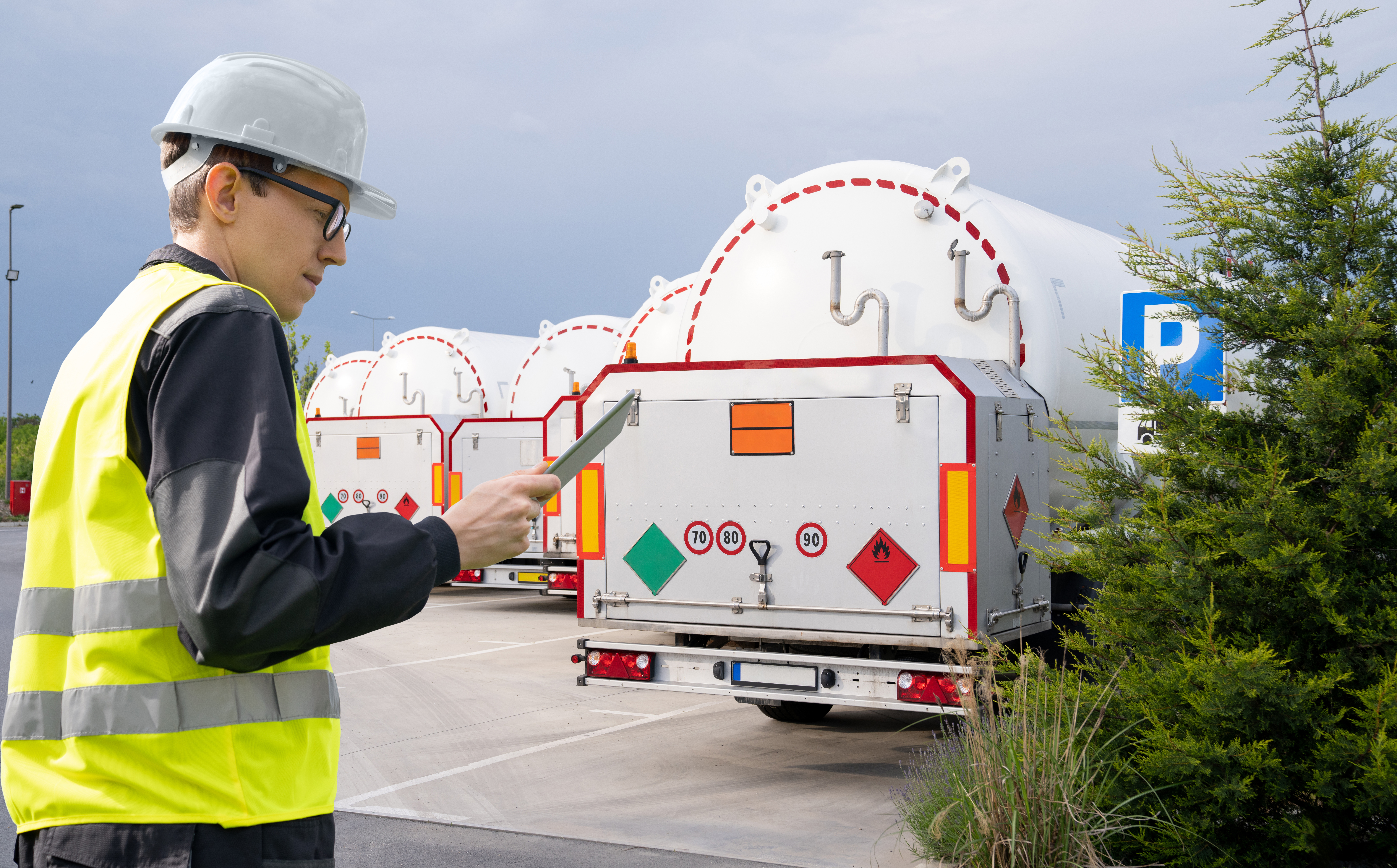
The landscape of propane transport safety is continually evolving. This section explores emerging technologies, regulatory changes, and industry collaborations shaping the future of propane transport.
Innovations in Safety Technology
Technological advancements are playing an increasingly important role in enhancing propane transport safety.
New sensor technologies are being developed to detect leaks more accurately and quickly. These sensors can provide real-time data on the condition of propane containers during transport.
GPS tracking systems are becoming more sophisticated, allowing for better route planning and real-time monitoring of propane shipments. This can help in avoiding high-risk areas and responding quickly to any incidents.
Advanced materials are also being explored for propane containers, aiming to increase durability and reduce the risk of leaks or ruptures during transport.
Evolving Regulatory Landscape
The regulatory framework for propane transport is not static; it continues to evolve in response to new challenges and technological advancements.
There’s a growing trend towards harmonization of international regulations, aiming to streamline cross-border propane transport while maintaining high safety standards.
Regulatory bodies are also focusing more on data-driven approaches, using incident reports and safety statistics to inform new regulations and guidelines.
Environmental considerations are becoming increasingly important in propane transport regulations, with a focus on reducing emissions and improving overall sustainability.
Collaborative Efforts in the Industry
The future of propane transport safety is likely to be shaped by increased collaboration within the industry.
Industry associations are playing a larger role in developing best practices and advocating for sensible regulations. These collaborative efforts help ensure that safety measures are both effective and practical.
Partnerships between transport companies, technology providers, and regulatory bodies are becoming more common. These collaborations can lead to innovative solutions that improve safety across the entire propane supply chain.
Information sharing platforms are being developed to allow companies to learn from each other’s experiences and incidents. This collective approach to safety can help prevent future accidents and improve overall industry standards.
For more information on the future of propane transport and safety innovations, visit https://www.pembina.com/getmedia/1dfd513a-8aaa-4af2-b855-a12d1ff5e528/Propane-Plus,-UN1075,-Non-toxic-OSHA-WHMIS-GHS-SDS-2021-01-18.pdf.