

Essential Safety Measures for Using Electricity in the Energy Sector
Electricity keeps our world humming, lighting up homes and powering factories. But are you aware of the crucial safety measures that ensure you stay protected? Understanding electricity basics is not just for engineers—it’s vital for anyone relying on this powerful force. Imagine knowing exactly how electricity generation and energy transmission work, and how to safely handle household appliances and industrial machinery. In this post, you’ll uncover essential tips that could prevent hazards and make your connection with electricity safer. For more information on electrical safety in the energy sector, check out this guide from OSHA.
Understanding Electricity Basics

Electricity is a fundamental force that powers our modern world. Before we dive into safety measures, it’s crucial to grasp the core concepts of electricity and how it impacts our daily lives.
Key Concepts of Electricity
Electricity is the flow of electrical charge through a conductor. This flow is measured in amperes (amps), while the force driving this flow is called voltage, measured in volts. The resistance to this flow is measured in ohms.
Ohm’s Law relates these three concepts: Voltage = Current x Resistance. This fundamental relationship helps us understand how electricity behaves in circuits.
Another important concept is power, measured in watts, which represents the rate at which electrical energy is transferred. Power is calculated by multiplying voltage by current.
Understanding these basic concepts is crucial for safely working with electricity and electrical systems.
How Electricity Powers Our Lives
Electricity has become an integral part of our daily lives, powering everything from small gadgets to large industrial machinery. Here’s how it works:
Electricity is generated at power plants using various sources like coal, natural gas, nuclear energy, or renewable sources like solar and wind.
This electricity is then transmitted over long distances through high-voltage power lines.
At local substations, the voltage is stepped down for distribution to homes and businesses.
In our homes, electricity powers lighting, heating, cooling, and various appliances. In industry, it drives motors, powers computer systems, and enables complex manufacturing processes.
The ubiquity of electricity in our lives underscores the importance of understanding its safe use and management. For more information on how electricity impacts our daily lives, visit Energy Brokerage Agency.
Electricity Generation and Its Processes

Electricity generation is a complex process that involves converting various forms of energy into electrical power. This section explores the primary sources of electricity and emerging technologies in the field.
Primary Sources of Electricity
Fossil fuels remain a significant source of electricity worldwide. Coal, natural gas, and oil are burned to heat water, creating steam that drives turbines connected to generators.
Nuclear power plants use the heat from nuclear fission to generate electricity. While controversial, nuclear energy provides a substantial portion of baseload power in many countries.
Renewable energy sources are gaining prominence:
Solar panels convert sunlight directly into electricity
Wind turbines harness wind energy to generate power
Hydroelectric dams use the force of flowing water to spin turbines
Each of these sources has its advantages and challenges in terms of cost, reliability, and environmental impact.
Emerging Technologies in Generation
Smart grids are revolutionizing electricity distribution. These systems use digital technology to improve reliability, efficiency, and sustainability of the electrical grid.
Energy storage technologies, particularly advanced batteries, are becoming crucial. They allow for better integration of intermittent renewable sources like solar and wind.
Fusion power, still in experimental stages, promises virtually limitless clean energy by replicating the sun’s energy production process on Earth.
Microgrids and distributed generation are gaining traction, allowing for more resilient and localized power systems.
These emerging technologies are shaping the future of electricity generation, aiming for cleaner, more efficient, and more reliable power systems.
Energy Transmission Explained
Energy

transmission is the process of moving electrical power from generation sites to end-users. This complex system is crucial for delivering electricity to homes, businesses, and industries across vast distances.
From Power Plants to Homes
The journey of electricity from power plants to homes involves several steps:
Generation: Electricity is produced at power plants.
Step-up Transformation: Voltage is increased for long-distance transmission.
Transmission: High-voltage lines carry electricity over long distances.
Step-down Transformation: At substations, voltage is reduced for local distribution.
Distribution: Lower voltage lines carry electricity to neighborhoods.
Final Transformation: Transformers on poles or in underground vaults further reduce voltage for home use.
This system ensures efficient delivery of electricity across large areas while minimizing power losses.
Challenges in Energy Transmission
Power losses during transmission are a significant challenge. As electricity travels through power lines, some energy is lost as heat due to resistance in the wires.
Grid stability is another crucial concern. The electrical grid must maintain a delicate balance between supply and demand to prevent blackouts or equipment damage.
Aging infrastructure poses risks to reliability and efficiency. Many countries face the need to upgrade their transmission systems to meet growing demand and incorporate new technologies.
Cybersecurity has become a critical issue as grids become more digitalized and interconnected. Protecting these systems from cyber attacks is an ongoing challenge.
Addressing these challenges is vital for maintaining a reliable and efficient energy transmission system. For more information on energy transmission, visit Duke Energy’s safety page.
Safety Measures in the Energy Sector
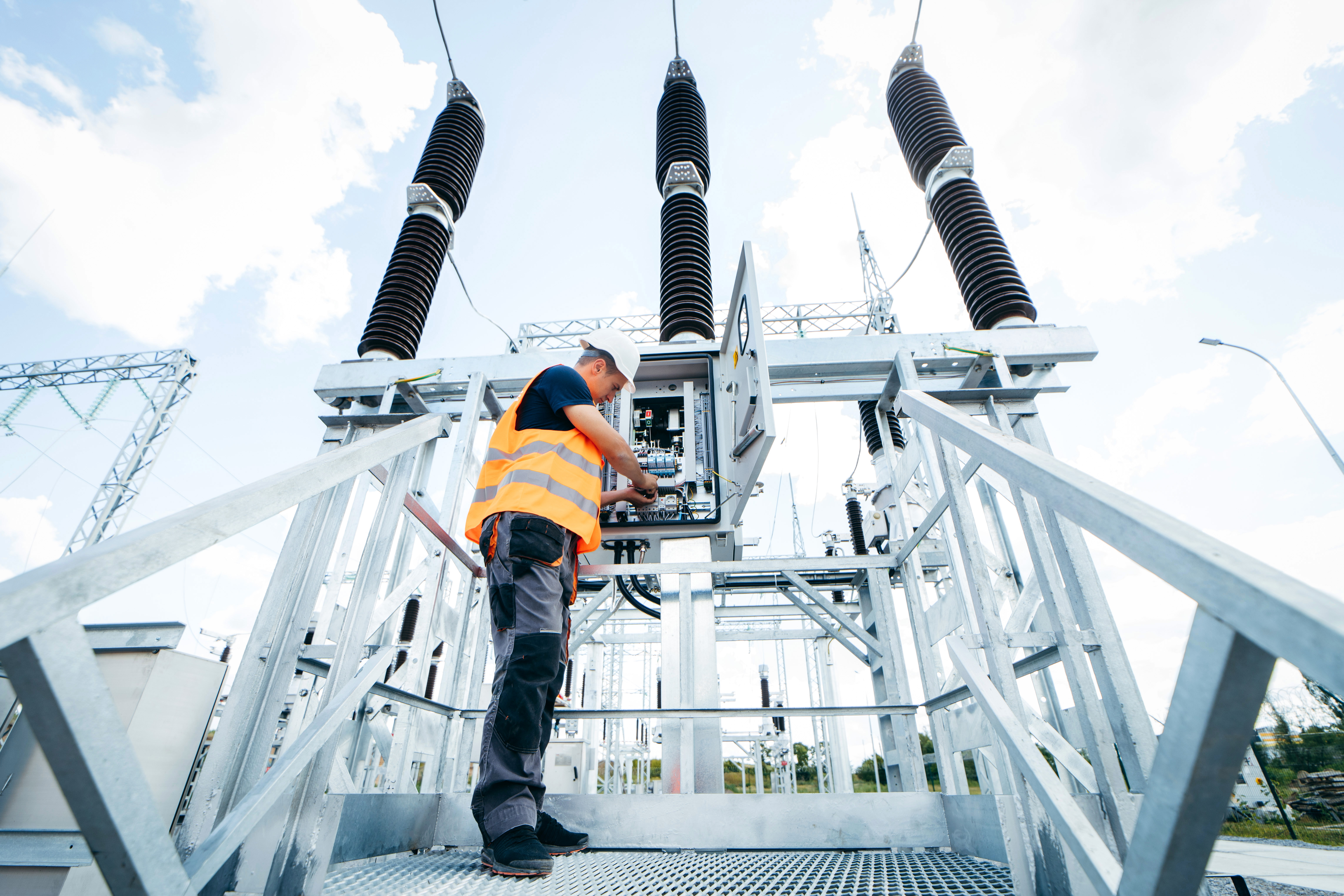
Safety is paramount in the energy sector, where the potential for accidents can have severe consequences. This section explores crucial safety measures for both consumers and professionals working with electricity.
Protecting Consumers and Professionals
Proper training is essential for anyone working with electricity. This includes understanding potential hazards and knowing how to use safety equipment correctly.
Personal Protective Equipment (PPE) is crucial. This may include insulated gloves, safety glasses, and flame-resistant clothing.
Regular equipment inspections help identify potential hazards before they cause accidents. This includes checking for frayed wires, loose connections, and other signs of wear or damage.
Lockout/Tagout procedures ensure that electrical equipment is properly shut off and cannot be restarted before maintenance or repair work is completed.
For consumers, awareness of basic electrical safety is important. This includes understanding the risks of overloading circuits and the importance of using certified electrical products.
Safety Protocols for Industrial Machinery
Industrial settings require stringent safety measures due to the high voltages and currents involved. Key protocols include:
Grounding and Bonding: Ensures that electrical systems have a safe path for excess current to dissipate.
Insulation and Guarding: Protects workers from accidental contact with live electrical parts.
Arc Flash Protection: Implements measures to protect against the intense heat and light produced by electrical arcs.
Emergency Shutdown Procedures: Establishes clear protocols for quickly de-energizing systems in case of emergencies.
Regular safety audits and updates to safety protocols are essential as technology and work practices evolve.
For more information on industrial electrical safety, visit Grace Technologies’ blog on renewable energy and electrical safety.
Electricity in Everyday Applications

Electricity is an integral part of our daily lives, powering everything from small household appliances to large industrial machinery. Understanding how to use electricity safely in these various settings is crucial for preventing accidents and ensuring efficient operation.
Safe Use of Household Appliances
Proper usage of household appliances is key to electrical safety at home. Always follow manufacturer instructions and avoid overloading outlets.
Regular maintenance of appliances can prevent electrical hazards. This includes checking for frayed cords, loose plugs, and any signs of wear or damage.
GFCI outlets (Ground Fault Circuit Interrupters) should be installed in areas with water exposure, such as kitchens and bathrooms. These outlets quickly shut off power when they detect a ground fault, preventing electric shocks.
Surge protectors can safeguard sensitive electronics from power surges. However, remember that these devices have a limited lifespan and should be replaced periodically.
Educating family members, especially children, about electrical safety is crucial. Teach them never to insert objects into outlets and to keep electrical devices away from water.
Best Practices for Industrial Settings
Industrial settings often involve high-voltage equipment and complex electrical systems. Following best practices is crucial for safety:
Implement a comprehensive safety program that includes regular training, safety audits, and clear communication of safety protocols.
Use appropriate Personal Protective Equipment (PPE) for all electrical work. This may include insulated gloves, safety glasses, and arc-rated clothing.
Follow proper Lockout/Tagout procedures to ensure equipment is de-energized before maintenance or repair work begins.
Regularly inspect and maintain electrical equipment to identify and address potential hazards before they cause accidents.
Establish clear emergency procedures and ensure all workers are familiar with them.
For more information on electrical safety in industrial settings, visit Vector Solutions’ guide to power generation safety strategies.
By following these safety measures and best practices, we can harness the power of electricity while minimizing risks in both household and industrial settings. Remember, when it comes to electrical safety, knowledge and caution are your best tools. For specific safety guidelines in oil and gas industries, check out FatFinger’s guide on electrical hazards in oil and gas.