

Mastering UN1136: Your Go-To Guide for Handling Coal Tar Distillates Safely
Handling coal tar distillates under UN1136 isn’t a task you can take lightly. These hazardous materials fall under Hazard Class 3, meaning strict flammable liquid regulations apply to every step – from storage to transport. If you’re responsible for handling coal tar, knowing the right safety and compliance measures protects your team and prevents costly mistakes. For detailed information on UN1136, you can refer to the ADR Book.
Introduction to UN1136

UN1136 is more than just a number. It’s a critical code that signals the presence of coal tar distillates, a substance that demands your full attention and care.
Importance of Coal Tar Distillates
Coal tar distillates play a big role in many industries. They’re used to make paints, fuel, and even some medicines. But their usefulness comes with risks.
These substances are highly flammable. A small spark can lead to a big fire. That’s why proper handling is so important.
Mishandling coal tar can harm people and the environment. It can cause skin irritation, breathing problems, and even long-term health issues. Spills can damage ecosystems and water sources.
By following the right steps, you keep everyone safe and avoid costly cleanup efforts. Proper care also helps your business stay on the right side of the law.
Understanding Hazard Class 3
Hazard Class 3 is all about flammable liquids. Coal tar distillates fall into this group because they can catch fire easily.
The main danger is the vapor these liquids give off. Even at room temperature, they can create explosive mixtures with air. A tiny spark or hot surface is all it takes to start a fire.
Class 3 materials need special care during storage, handling, and transport. The rules are strict because the risks are high. You’ll need special containers, careful temperature control, and proper ventilation.
Knowing these basics helps you grasp why the safety measures for UN1136 are so crucial. It’s not just about following rules – it’s about preventing real dangers.
Handling Coal Tar Safely

When it comes to coal tar, safety isn’t just a box to check. It’s the foundation of everything you do. Let’s break down how to handle this tricky substance without putting anyone at risk.
Safety Protocols and Best Practices
First things first: never work alone with coal tar. Always have a buddy system in place. This way, if something goes wrong, help is right there.
Start by checking your workspace. Good ventilation is a must. Open windows or use fans to keep air moving. This stops vapors from building up.
Next, think about temperature. Keep coal tar cool – below 100°F (38°C) if you can. Heat makes it more dangerous.
Spills happen, so be ready. Have absorbent materials nearby. Sand or special chemical pads work well. Clean up any spills right away, no matter how small.
Lastly, know your emergency plan. Where are the exits? Where’s the closest fire extinguisher? Going over these details regularly can save lives when seconds count.
Equipment and Personal Protective Gear
The right gear is your best friend when handling coal tar. Let’s cover what you need from head to toe.
Start with your eyes. Safety goggles are a must. They protect against splashes and vapors.
For your hands, chemical-resistant gloves are key. Look for ones made of nitrile or neoprene. They should cover your wrists too.
Wear coveralls or a chemical-resistant suit. This keeps coal tar off your skin and clothes.
Don’t forget your feet. Wear closed-toe, non-slip boots. Make sure they’re resistant to chemicals too.
Last but not least: respiratory protection. Use a mask with organic vapor cartridges. This filters out harmful fumes.
Remember, the best gear only works if you use it right. Check your equipment before each use. Replace anything that’s worn or damaged.
Storage Guidelines for Coal Tar

Storing coal tar isn’t like keeping leftovers in your fridge. It needs special care to stay safe. Let’s dive into how to store this tricky substance the right way.
Optimal Storage Conditions
Cool and dry – that’s the golden rule for storing coal tar. Aim for temperatures between 50°F and 77°F (10°C to 25°C).
Keep it away from sunlight. UV rays can change the chemical makeup of coal tar, making it unstable.
Use the right containers. They should be made of metal or high-density polyethylene. Make sure they’re tightly sealed to prevent leaks and vapor escape.
Don’t store too much in one place. Smaller amounts in several locations are safer than one big stockpile.
Label everything clearly. Each container should show what’s inside, the hazard class, and any specific warnings.
Preventing Hazards in Storage
Space is your friend when storing coal tar. Keep containers at least 3 feet apart. This stops problems from spreading if one container leaks.
Check your storage area often. Look for signs of damage, leaks, or corrosion. Catch problems early before they turn into disasters.
Keep other chemicals away. Some substances react badly with coal tar. Store them in separate areas to avoid dangerous mix-ups.
Have spill kits ready nearby. If something goes wrong, you can act fast to contain the problem.
Use proper grounding for metal containers. This prevents static electricity buildup, which could cause sparks.
Remember, good storage isn’t just about following rules. It’s about creating a safe environment for everyone who works with or near coal tar.
Transporting Hazardous Materials
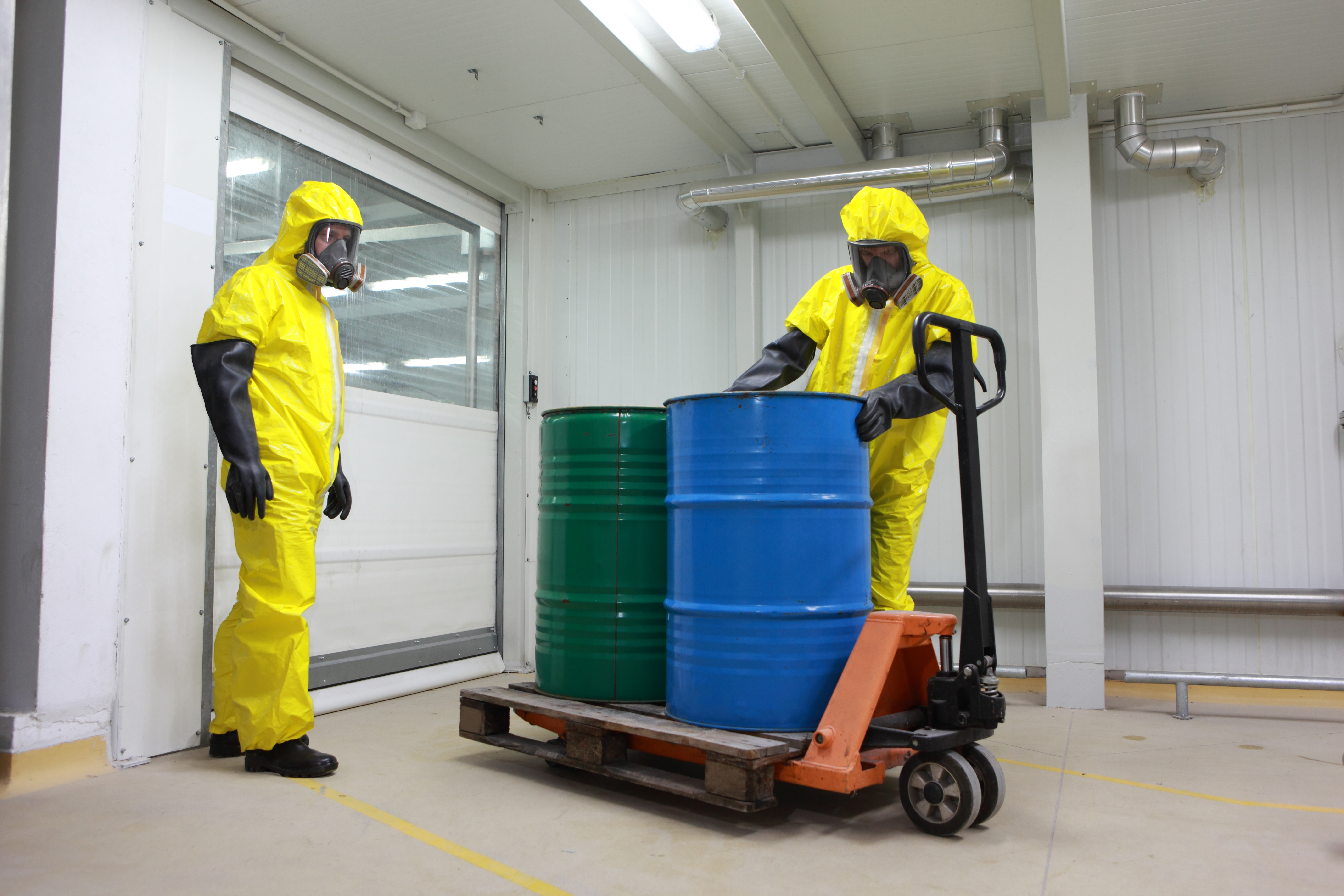
Moving coal tar from point A to B isn’t as simple as loading up a truck. It takes careful planning and strict adherence to rules. Let’s break down what you need to know.
Flammable Liquid Regulations
Flammable liquids like coal tar have their own set of transport rules. These rules are there to keep everyone safe on the road.
First, use the right containers. They must be UN-approved for transporting flammable liquids. Each container needs clear labels showing the UN1136 code and hazard warnings.
Load your vehicle carefully. Secure containers so they can’t move during transport. Use non-sparking tools to avoid accidental ignition.
Keep coal tar separate from other cargo. Use dividers or separate compartments to prevent mixing if spills occur.
Plan your route ahead of time. Avoid populated areas when possible. Know where you can safely stop for breaks or emergencies.
Compliance with Transport Laws
Following transport laws isn’t optional – it’s a must. These rules change based on how much coal tar you’re moving and how far you’re going.
For small amounts, you might fall under limited quantity exceptions. This means less paperwork, but you still need proper packaging and labeling.
Larger shipments require a hazardous materials endorsement on your driver’s license. You’ll also need to carry shipping papers that detail what you’re transporting.
Display the right placards on your vehicle. These diamond-shaped signs tell emergency responders what’s inside if something goes wrong.
Train everyone involved in transport. Drivers, loaders, and anyone handling the coal tar need to know the risks and proper procedures.
Keep records of each shipment. This includes what was shipped, how much, and where it went. These records help if questions come up later.
Remember, transport laws can vary by state or country. Always check local regulations before planning a shipment.
Regulatory Compliance and Best Practices

Staying on top of regulations for coal tar isn’t just good business – it’s the law. Let’s explore the key rules you need to follow and how to keep up with changing standards.
Key Regulations to Follow
OSHA sets the rules for workplace safety when handling coal tar. They require proper training, safety equipment, and emergency plans.
The EPA regulates how coal tar affects the environment. They have strict rules about storage, spill prevention, and waste disposal.
DOT oversees the transport of hazardous materials like coal tar. They dictate packaging, labeling, and shipping requirements.
Local fire codes often have specific rules for storing flammable liquids. These can vary by city or state, so check your local regulations.
The Chemical Safety Board investigates incidents involving hazardous materials. Learning from their reports can help you avoid similar problems.
Staying Updated with Industry Standards
Safety standards for coal tar handling are always evolving. Staying current is key to keeping your workplace safe and legal.
Join industry associations related to hazardous materials. They often offer updates on new regulations and best practices.
Attend safety conferences and workshops. These events are great for learning about the latest techniques and equipment.
Subscribe to regulatory agency newsletters. OSHA, EPA, and DOT all offer email updates on rule changes.
Conduct regular internal audits of your procedures. This helps spot areas where you might be falling behind current standards.
Network with other professionals in your field. Sharing experiences can give you new insights into improving safety.
Remember, staying compliant isn’t just about avoiding fines. It’s about creating a culture of safety that protects your workers and your business.