All posts by Anony Mouse

Heating Oil Regulations

Navigating Heating Oil Regulations: Ensuring Safety and Compliance

Handling UN1202, the hazardous material known as Heating oil, light, isn’t just about getting it from point A to point B. It’s about ensuring every shipment adheres to strict compliance regulations, safeguarding both personnel and the environment. For logistics managers and transportation companies, understanding the ins and outs of these heating oil regulations is a non-negotiable priority. In this guide, you’ll uncover how to navigate the complex world of shipping placards and Class 3 flammable liquids, ensuring your operations remain both safe and compliant. For more detailed information on UN1202 and its transportation requirements, you can refer to the official PHMSA regulations.

Understanding UN1202 and Its Importance

UN1202 is a crucial identifier in the world of hazardous materials transport. Let’s explore its meaning, significance, and impact on safety protocols.

What is UN1202?

UN1202 is the United Nations identification number for Heating oil, light, a Class 3 flammable liquid. This four-digit code is essential for proper labeling and handling during transportation.

The UN number system was created to standardize the identification of hazardous materials across international borders. For UN1202, it specifically refers to light heating oil, which is commonly used in residential and commercial heating systems.

Understanding this designation is crucial for anyone involved in the transport or handling of this substance. It allows for quick identification and appropriate response in case of emergencies.

Significance of UN1202 in Transport

The UN1202 designation plays a vital role in ensuring safe and compliant transport of light heating oil. It’s not just a number, but a key to unlocking critical information about the substance being transported.

When shipping UN1202, transporters must adhere to specific regulations outlined by various regulatory bodies. These rules cover aspects such as packaging, labeling, and documentation.

The significance of UN1202 extends beyond mere identification. It triggers a set of safety protocols and handling procedures that must be followed throughout the transportation process. For more information on the significance of UN numbers in transport, you can visit the United Nations Economic Commission for Europe website.

Impact on Safety Protocols

The UN1202 designation has a profound impact on safety protocols in the transportation of light heating oil. It sets the stage for how this hazardous material should be handled from start to finish.

Safety measures associated with UN1202 include specific requirements for containment, such as the use of approved containers and tanks. It also dictates the need for proper ventilation during transport and storage.

Emergency response teams rely on the UN1202 designation to quickly assess the situation and implement appropriate measures in case of accidents or spills. This standardized system helps ensure a swift and effective response, minimizing potential harm to people and the environment.

Navigating Heating Oil Regulations
Heating oil regulations form a complex web of rules and guidelines. Understanding these regulations is crucial for anyone involved in the transport and handling of UN1202.

Key Heating Oil Regulations Explained

Heating oil regulations encompass a wide range of requirements designed to ensure safe handling and transport. These rules cover various aspects, from storage to transportation and use.

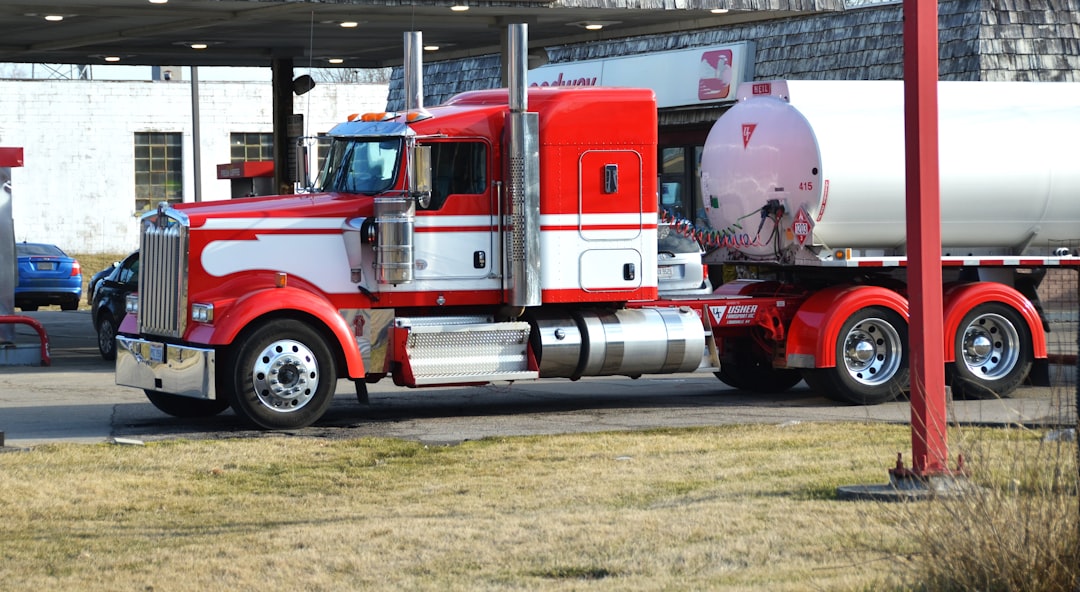
One of the primary regulations is the requirement for proper labeling and placarding of vehicles transporting UN1202. This includes displaying the UN number and appropriate hazard class symbols.

Another key regulation involves the training of personnel handling UN1202. Employees must be properly trained in safety procedures, emergency response, and the correct use of personal protective equipment. For a comprehensive overview of heating oil regulations, you can refer to the Energy Brokerage Agency website.

Compliance for Safe Transportation

Compliance with heating oil regulations is not optional. It’s a legal requirement and a crucial aspect of ensuring safe transportation of UN1202.

To comply, companies must first ensure they have the correct permits and licenses for transporting hazardous materials. This often involves regular inspections and audits to maintain compliance.

Record-keeping is another important aspect of compliance. Companies must maintain detailed logs of shipments, including information about quantities, routes, and any incidents that occur during transport. For more information on compliance requirements, you can visit the ChemRadar website.

Challenges in Regulatory Adherence

While the importance of adhering to heating oil regulations is clear, it’s not without its challenges. Companies often face hurdles in staying up-to-date with changing regulations.

One common challenge is the variation in regulations across different jurisdictions. What’s compliant in one state or country may not be in another, requiring careful planning for interstate or international transport.

Another challenge lies in the cost of compliance. Implementing proper safety measures, providing regular training, and maintaining up-to-date equipment can be expensive. However, the cost of non-compliance, both in terms of potential fines and safety risks, is far greater.

Class 3 Flammable Liquids: Safety Measures
Class 3 flammable liquids, which include UN1202, require specific safety measures due to their hazardous nature. Let’s explore the key aspects of handling these materials safely.

Identifying Class 3 Flammable Liquids

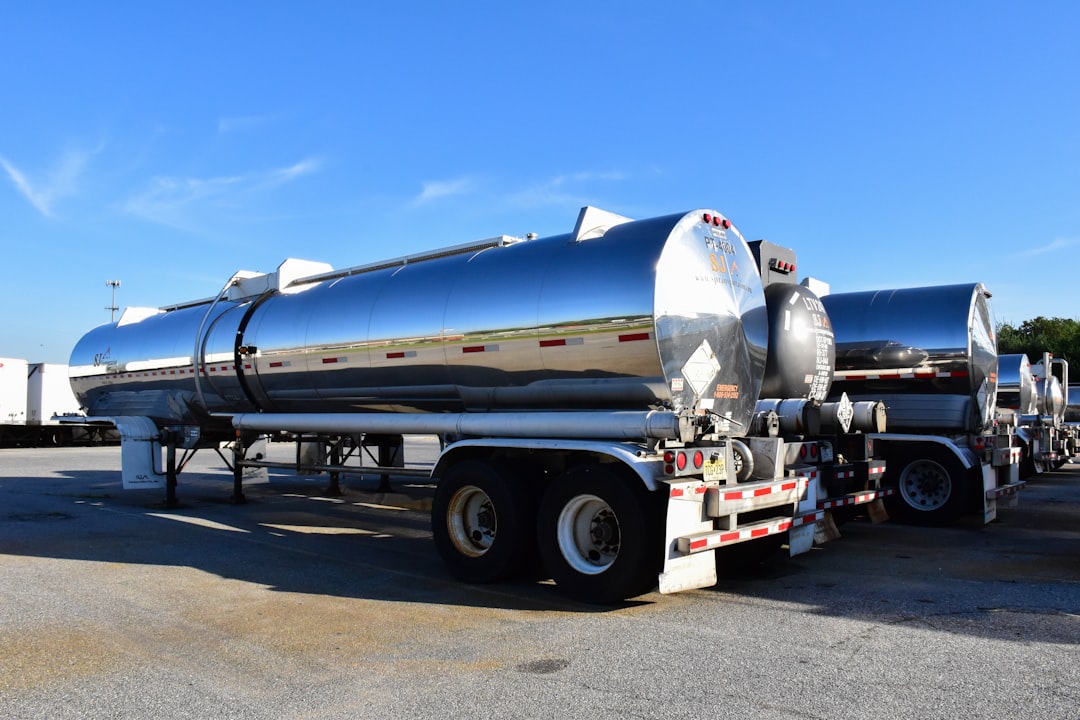
Class 3 flammable liquids are substances that can easily ignite and burn. UN1202, or light heating oil, falls into this category due to its low flash point.

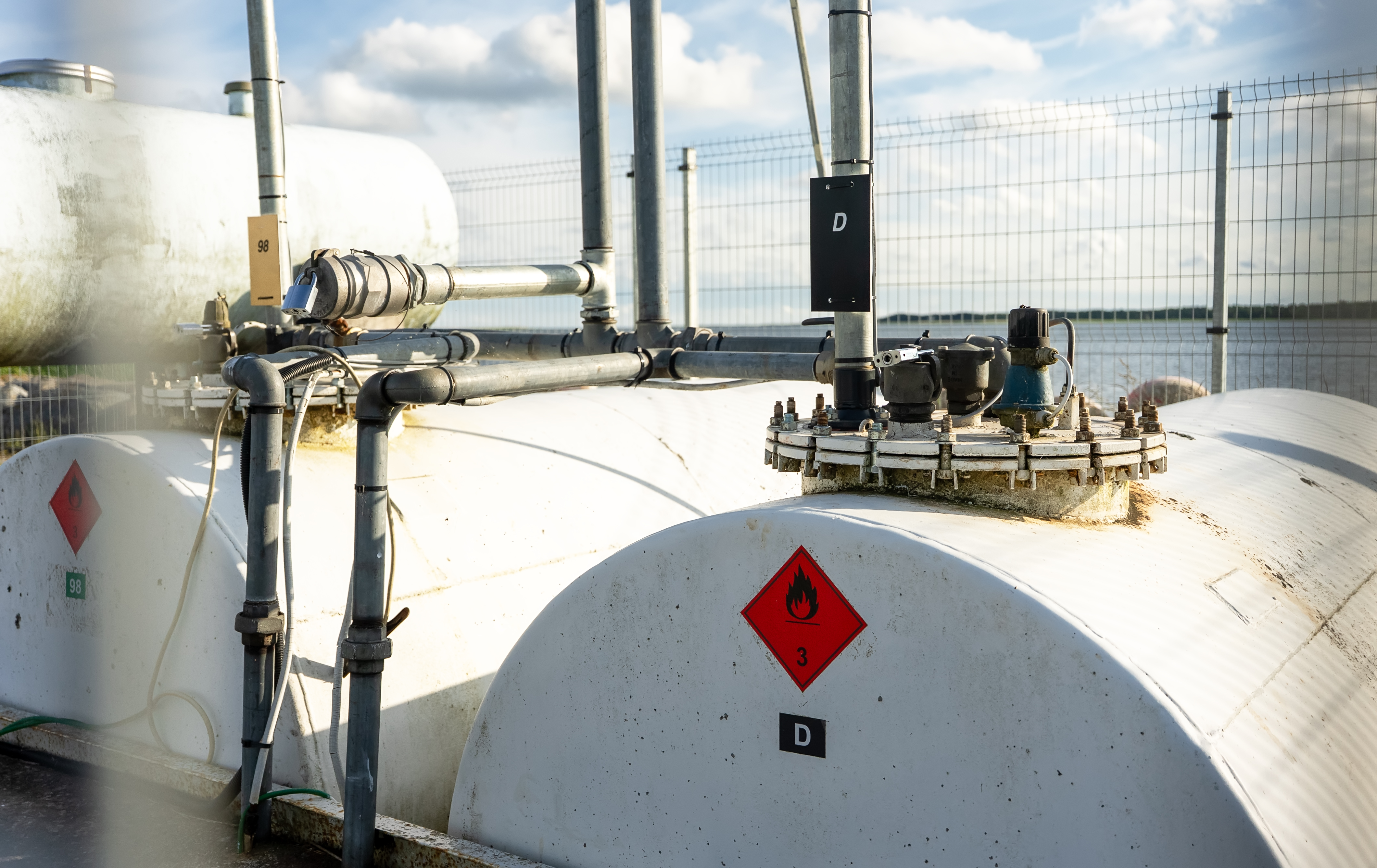
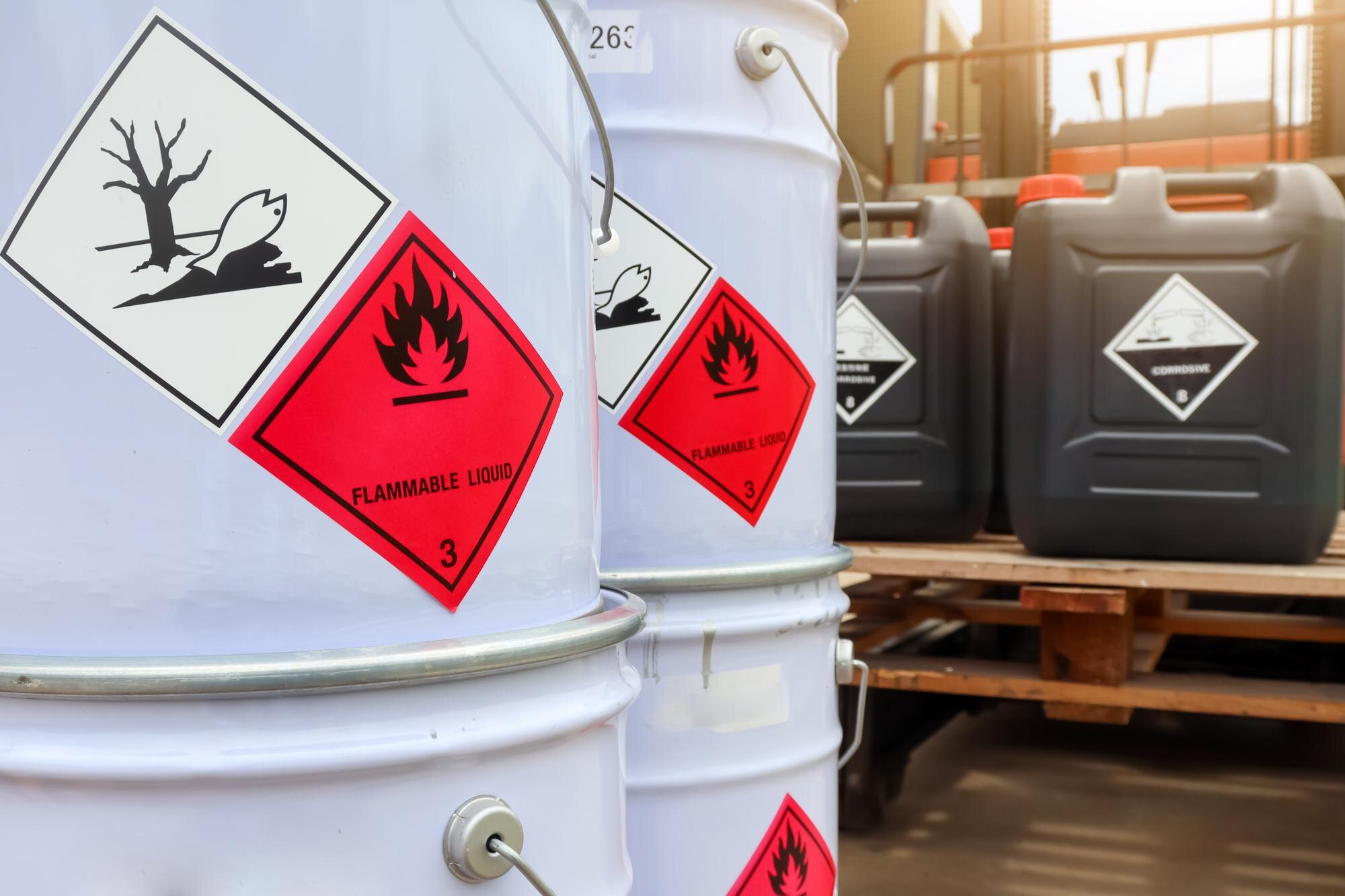
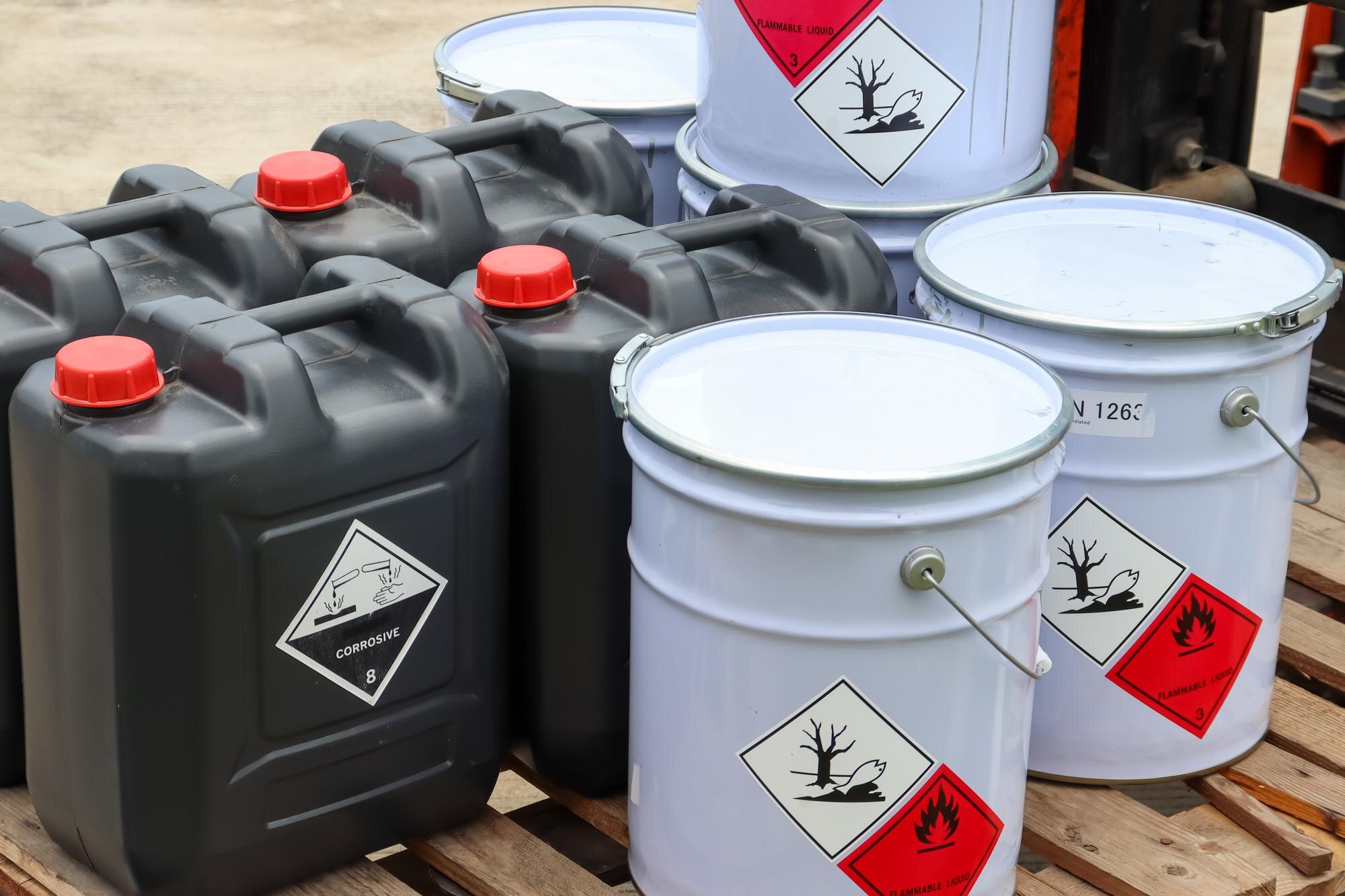
Identification of Class 3 flammable liquids is crucial for proper handling. These substances are typically marked with a red diamond-shaped label featuring a flame symbol.

It’s important to note that not all Class 3 flammable liquids have the same properties. Some may have additional hazards, such as toxicity or corrosiveness, which require extra precautions. For more detailed information on Class 3 flammable liquids, you can refer to the HazChem Safety website.

Essential Safety Practices

When handling Class 3 flammable liquids like UN1202, several essential safety practices must be followed to minimize risks.

Proper storage is crucial. These liquids should be kept in approved containers in well-ventilated areas, away from sources of ignition.

Personal protective equipment (PPE) is a must when handling these substances. This typically includes chemical-resistant gloves, safety goggles, and flame-resistant clothing.

Regular training and drills are also essential. All personnel involved in handling Class 3 flammable liquids should be well-versed in safety procedures and emergency response protocols.

Emergency Response Planning

Despite best efforts, accidents can happen. That’s why robust emergency response planning is crucial when dealing with Class 3 flammable liquids.

An effective emergency response plan should include clear procedures for different scenarios, such as spills or fires. It should also designate roles and responsibilities for team members.

Regular drills and simulations can help ensure that all personnel are prepared to act quickly and effectively in case of an emergency. These exercises can also help identify potential weaknesses in the response plan.

Shipping Placards and Their Role

Shipping placards play a crucial role in the safe transport of hazardous materials like UN1202. They provide vital information at a glance, aiding in quick identification and appropriate handling.

Importance of Accurate Shipping Placards

Accurate shipping placards are not just a legal requirement, they’re a critical safety measure. They provide immediate information about the hazards associated with the cargo being transported.

For UN1202, the placard must clearly display the UN number and the appropriate hazard class symbol. This information is crucial for first responders in case of an accident.

Inaccurate or missing placards can lead to serious consequences. They can result in improper handling, delayed emergency response, and potential legal penalties. For more information on the importance of accurate placards, you can visit the TransFueler website.

Designing Effective Placards

Effective placard design goes beyond just including the required information. It must ensure that this information is clearly visible and easily understood, even from a distance.

The color and symbols used on placards are standardized to ensure universal recognition. For Class 3 flammable liquids like UN1202, the placard features a red background with a flame symbol.

The text on the placard, including the UN number, must be large enough to be read from a safe distance. The materials used for placards must also be durable enough to withstand various weather conditions and remain legible throughout the journey.

Legal Requirements for Placards

The use of placards is governed by strict legal requirements. These regulations specify when placards must be used, where they should be placed on vehicles, and what information they must contain.

For UN1202, placards are typically required on all four sides of the transport vehicle. They must remain in place throughout the entire transportation process, from loading to final delivery.

It’s important to note that placard requirements can vary depending on the quantity being transported and the specific regulations of different jurisdictions. Always check local and international regulations to ensure full compliance.

Ensuring Transport Safety and Compliance

Ensuring transport safety and compliance when dealing with UN1202 and other hazardous materials is an ongoing process. It requires constant vigilance, regular training, and a commitment to best practices.

Training for Safety Compliance

Effective training is the cornerstone of safety compliance in hazardous materials transport. It ensures that all personnel understand the risks and know how to mitigate them.

Training programs should cover a range of topics, including proper handling procedures, use of safety equipment, and emergency response protocols. They should also include information on relevant regulations and compliance requirements.

Regular refresher courses are important to keep knowledge up-to-date and reinforce safety practices. Simulations and hands-on training can be particularly effective in preparing personnel for real-world scenarios.

Monitoring and Reporting Practices

Monitoring and reporting are crucial aspects of maintaining safety and compliance in hazardous materials transport. They help identify potential issues before they become serious problems.

Regular inspections of vehicles, equipment, and safety gear are essential. Any issues or defects should be promptly reported and addressed.

Incident reporting is another critical practice. Even minor incidents or near-misses should be documented and analyzed to prevent future occurrences and improve safety protocols.

Future Trends in Transport Safety Regulations

The field of transport safety regulations is continually evolving, driven by advances in technology and growing environmental concerns.

One emerging trend is the increased use of digital technologies for tracking and monitoring hazardous materials shipments. This can provide real-time information on cargo location and condition.

Another trend is the growing focus on environmental protection. Future regulations may place greater emphasis on preventing spills and reducing the environmental impact of hazardous materials transport.

As these trends develop, companies involved in the transport of UN1202 and other hazardous materials will need to stay informed and adapt their practices accordingly.


Gasoline Safety Guidelines

Mastering Gasoline Transportation Safety: The Ultimate Checklist for Class 3 Flammable Liquids

Transporting gasoline isn’t just about moving fuel from point A to B. It’s about ensuring safety every step of the way. With UN1203 gasoline identification marking it as a Class 3 flammable liquid, the risks are real, and the stakes are high. Understanding hazmat regulations for gasoline is your shield against potential disasters. Dive into the ultimate checklist for gasoline transportation safety and arm yourself with the knowledge to protect your business, your team, and the environment. Ready to secure your operations? Let’s get started. For more information on fuel transport safety, check out this comprehensive checklist.

Understanding Class 3 Flammable Liquids

Class 3 flammable liquids, including gasoline, require special handling and transportation procedures. This section explores the characteristics of these substances and the regulations governing their transport.

What Makes Gasoline Class 3?

Gasoline is classified as a Class 3 flammable liquid due to its low flash point and high volatility. The flash point of gasoline is typically below -40°F (-40°C), making it highly susceptible to ignition at room temperature.

This classification is based on the liquid’s ability to form an ignitable vapor-air mixture at normal temperatures. Gasoline vapors can travel considerable distances and find ignition sources, posing significant fire and explosion risks.

The Class 3 designation alerts handlers to the potential dangers and dictates specific safety measures for storage, transport, and use.

Hazmat Regulations for Gasoline

Hazmat regulations for gasoline are designed to minimize risks during transportation. These rules cover various aspects of handling and moving gasoline safely.

Key regulations include proper packaging requirements, labeling standards, and documentation procedures. Transporters must use approved containers that can withstand the pressures and temperatures encountered during transit.

Vehicle requirements, route restrictions, and driver qualifications are also specified in these regulations. Compliance with these rules is crucial for maintaining safety and avoiding legal penalties.

UN1203 Gasoline Identification

UN1203 is the unique identification number assigned to gasoline under the United Nations’ hazardous materials classification system. This number is essential for quick identification during emergencies.

The UN1203 code must be displayed on all containers and vehicles transporting gasoline. It allows first responders to quickly identify the substance and take appropriate action in case of an incident.

This standardized system facilitates international transportation and ensures consistent handling procedures across different regions. For more details on UN1203 placards, visit Labelmaster.

Gasoline Transportation Safety Basics

Ensuring the safe transportation of gasoline requires adherence to fundamental safety principles. This section outlines the essential protocols and preparations needed for secure gasoline transport.

Essential Safety Protocols

Safety protocols for gasoline transportation form the backbone of risk management in this field. These protocols encompass a wide range of practices designed to prevent accidents and mitigate potential hazards.

Key safety measures include proper vehicle maintenance, regular equipment inspections, and adherence to loading and unloading procedures. Drivers must be trained in handling emergencies and equipped with appropriate personal protective equipment.

Route planning is another crucial aspect, involving the selection of safe roads and avoidance of populated areas when possible. For a detailed guide on gasoline transportation safety, refer to the Interagency Transport Guide for Gasoline.

Preparing for Safe Transport

Preparation is key to ensuring safe gasoline transportation. This process begins long before the vehicle hits the road and involves several critical steps.

  1. Inspect all equipment, including tanks, hoses, and valves, for any signs of wear or damage.

  2. Verify that all required safety equipment is present and in good working condition.

  3. Ensure proper labeling and placarding of the vehicle according to hazmat regulations.

Drivers should also be briefed on the specific hazards associated with the load and the route to be taken. A thorough pre-trip checklist can help ensure nothing is overlooked.

Monitoring During Transportation

Continuous monitoring during gasoline transportation is crucial for maintaining safety throughout the journey. This involves both human vigilance and technological support.

Drivers should perform regular checks during stops, looking for any signs of leaks or other issues. Modern tracking systems can provide real-time data on vehicle location, speed, and other parameters.

Temperature monitoring is particularly important, as extreme heat can increase pressure in fuel tanks. Any deviations from normal conditions should be promptly reported and addressed.

Emergency Response for Gasoline

Despite best efforts in prevention, emergencies can still occur. A well-prepared emergency response plan is crucial for minimizing damage and protecting lives in case of a gasoline-related incident.

Quick Response Strategies

Quick and effective response is critical when dealing with gasoline-related emergencies. The first priority is always to ensure the safety of people in the immediate vicinity.

Upon discovering a leak or fire, the following steps should be taken:

  1. Evacuate the area and establish a safe perimeter.

  2. Contact emergency services immediately.

  3. If safe to do so, attempt to stop the source of the leak.

It’s important to have a clear chain of command and communication plan in place. This ensures that all team members know their roles and can act swiftly in an emergency situation.

Handling Spills Effectively

Gasoline spills require immediate and careful handling to prevent environmental damage and fire hazards. The approach to spill management depends on the size and location of the spill.

For small spills, absorbent materials can be used to contain and clean up the fuel. Larger spills may require professional cleanup crews and specialized equipment.

It’s crucial to prevent gasoline from entering waterways or soil. Containment measures such as berms or dikes can help control the spread of spilled fuel.

Communication During Emergencies

Clear and timely communication is vital during gasoline-related emergencies. This includes internal communication within the response team and external communication with authorities and the public.

A designated spokesperson should be responsible for providing updates to relevant parties. This helps ensure that information is consistent and accurate.

Emergency contact lists should be readily available, including numbers for local authorities, environmental agencies, and specialized cleanup services. Regular drills can help team members practice their communication protocols under simulated emergency conditions.

Flammable Liquids Storage Guidelines

Proper storage of flammable liquids like gasoline is as crucial as safe transportation. This section covers key guidelines for storing these hazardous materials safely and compliantly.

Proper Storage Techniques

Storing gasoline and other flammable liquids requires careful attention to safety details. The primary goal is to prevent vapor accumulation and minimize the risk of fire or explosion.

Storage areas should be well-ventilated and located away from sources of ignition. Approved safety cans or storage cabinets should be used for smaller quantities of gasoline.

For larger volumes, above-ground or underground storage tanks must meet specific design and construction standards. These tanks should be equipped with appropriate venting systems and overfill protection devices.

Facility Safety Inspections

Regular safety inspections are essential for maintaining a safe storage environment for flammable liquids. These inspections help identify potential hazards before they lead to incidents.

Key areas to inspect include:

  • Storage container integrity

  • Ventilation systems

  • Fire suppression equipment

  • Spill containment measures

Inspections should be conducted by trained personnel following a standardized checklist. Any issues identified during these inspections should be addressed promptly to maintain compliance and safety.

Equipment and Maintenance Essentials

Proper equipment and consistent maintenance are crucial for safe flammable liquid storage. This includes both the storage containers themselves and associated safety equipment.

Essential equipment includes:

  • Fire extinguishers appropriate for flammable liquid fires

  • Spill cleanup kits

  • Personal protective equipment for handling spills

Regular maintenance tasks should include checking for corrosion or damage to storage containers, testing emergency shutdown systems, and calibrating monitoring equipment. A detailed maintenance log should be kept to track all inspections and repairs.

Best Practices for Businesses

Implementing best practices for handling Class 3 flammable liquids like gasoline is crucial for businesses to ensure safety, compliance, and operational efficiency.

Training Safety Professionals

Effective training of safety professionals is the cornerstone of a robust gasoline safety program. This training should cover all aspects of handling, storing, and transporting flammable liquids.

Key training topics include:

  • Understanding hazmat regulations

  • Proper use of personal protective equipment

  • Emergency response procedures

  • Spill containment and cleanup techniques

Training should be ongoing, with regular refresher courses to keep skills sharp and knowledge up to date. Simulations and hands-on exercises can enhance the effectiveness of training programs.

Regular Safety Drills

Safety drills are essential for preparing staff to handle real emergencies effectively. These drills should simulate various scenarios that could occur during gasoline transportation or storage.

Drills might include:

  • Simulated spill response

  • Fire evacuation procedures

  • Communication exercises

After each drill, a thorough debrief should be conducted to identify areas for improvement. This feedback can be used to refine emergency response plans and procedures.

Staying Updated with Regulations

Regulations governing the handling of flammable liquids like gasoline are subject to change. Staying current with these regulations is crucial for maintaining compliance and safety.

Businesses should designate a team or individual responsible for monitoring regulatory updates. This might involve:

  • Subscribing to industry publications

  • Attending relevant conferences or seminars

  • Maintaining relationships with regulatory bodies

When new regulations are introduced, businesses should promptly review and update their procedures to ensure compliance. Staff training should also be updated to reflect any changes in regulations or best practices. For the latest information on placarding requirements for flammable liquids, check out this CVSA guide.


The role of the Energy Brokerage

Navigating Energy Procurement: Strategies for Cost-Effective Deals

You’re navigating the tangled web of energy procurement, and it’s no small feat. With so many market trends and regulatory hurdles, finding a cost-effective deal can feel like searching for a needle in a haystack. That’s where energy brokerage steps in, offering a lifeline to professionals like you. By connecting buyers and sellers and ensuring confidentiality, we help craft deals that save money and time. Ready to discover strategies that can simplify your energy market transactions? Let’s dive in.

Understanding Energy Brokerage

Energy brokerage plays a vital role in the complex world of energy procurement. Let’s explore how these intermediaries shape market transactions, stay ahead of trends, and help clients navigate regulatory waters.

Role in Energy Market Transactions

Energy brokers act as intermediaries between buyers and sellers in the energy market. They bridge the gap between complex energy offerings and client needs, simplifying the procurement process.

These professionals analyze market conditions, negotiate contracts, and provide valuable insights to their clients. By leveraging their expertise, brokers help clients make informed decisions and secure favorable terms.

Energy brokers also streamline communication between parties, reducing misunderstandings and expediting deal closures. This efficiency can lead to significant time and cost savings for all involved.

Expertise in Market Trends

Energy brokers stay abreast of the latest market trends, providing clients with up-to-date information crucial for decision-making. This knowledge spans various energy sources, including oil, gas, electricity, and renewables.

Brokers analyze historical data, current market conditions, and future projections to offer strategic advice. This insight helps clients time their purchases or sales to maximize benefits and minimize risks.

By understanding seasonal fluctuations, geopolitical influences, and technological advancements, brokers can guide clients towards opportunities that align with their long-term goals and risk tolerance.

Navigating Regulatory Compliance

The energy sector is subject to complex regulations that vary by region and change frequently. Energy brokers help clients navigate this regulatory landscape, ensuring compliance and avoiding potential penalties.

Brokers stay informed about new laws, policies, and reporting requirements that may affect energy transactions. They translate these complex regulations into actionable steps for their clients.

By managing regulatory compliance, brokers allow clients to focus on their core business activities while remaining confident in their energy procurement strategies.

Strategies for Energy Procurement

Effective energy procurement requires a multifaceted approach. From crafting cost-effective deals to navigating international markets, let’s explore key strategies that can optimize your energy procurement process.

Crafting Cost-Effective Deals

Crafting cost-effective energy deals involves more than just finding the lowest price. It requires a comprehensive understanding of your energy needs, market conditions, and contract terms.

Start by conducting a thorough energy audit to identify your consumption patterns and potential areas for efficiency improvements. This information forms the foundation for negotiating tailored contracts that align with your specific needs.

Consider flexible purchasing strategies, such as index-based contracts or block-and-index approaches, which can offer advantages in volatile markets. Always factor in additional costs like transmission fees and taxes when evaluating offers.

Domestic and International Markets

Energy procurement strategies often differ between domestic and international markets due to varying regulations, market structures, and geopolitical factors.

In domestic markets, focus on understanding local regulations and leveraging competition among suppliers. Many countries have deregulated energy markets, offering more choices and potentially better prices.

For international markets, consider currency risks, transportation costs, and potential trade barriers. Building relationships with reliable local partners can be crucial for navigating unfamiliar terrains and securing favorable deals.

Confidentiality and Data Security

Confidentiality and data security are paramount in energy procurement. Protecting sensitive information about energy usage, pricing, and contract terms is crucial for maintaining competitive advantage and trust.

Implement robust data protection measures, including encrypted communications and secure data storage. Limit access to sensitive information on a need-to-know basis within your organization.

When working with brokers or suppliers, ensure they have strong confidentiality policies in place. Consider including non-disclosure agreements in your contracts to further safeguard your information.

Connecting Buyers and Sellers

Energy brokers play a crucial role in bringing together buyers and sellers in the energy market. Their expertise spans domestic deregulated markets and international energy landscapes, uncovering valuable money-saving opportunities.

Domestic Deregulated Markets

Deregulated energy markets offer consumers the freedom to choose their energy suppliers, fostering competition and potentially lower prices. Energy brokers navigate these markets expertly, helping clients find the best deals.

In deregulated markets, brokers analyze offerings from multiple suppliers, comparing rates, contract terms, and additional services. They consider factors like peak usage times, seasonal variations, and long-term price trends.

Brokers also help clients understand the intricacies of different rate structures, such as fixed rates, variable rates, and time-of-use pricing. This knowledge empowers clients to make informed decisions that align with their energy consumption patterns and risk tolerance.

International Energy Markets

International energy markets present unique opportunities and challenges. Energy brokers with global expertise can help clients tap into these markets effectively.

Brokers navigate the complexities of cross-border transactions, including currency exchange rates, international regulations, and geopolitical risks. They identify reputable suppliers in different countries and facilitate negotiations.

Understanding cultural nuances and business practices in various regions is another valuable skill brokers bring to international transactions. This knowledge can be crucial in building strong, long-lasting relationships with international energy partners.

Money-Saving Opportunities

Energy brokers uncover money-saving opportunities that might not be apparent to the average buyer. Their market knowledge and negotiation skills can lead to significant cost reductions.

Brokers often have access to exclusive deals and can leverage their relationships with suppliers to secure better rates. They may also identify opportunities for bulk purchasing or consortium buying to achieve economies of scale.

Beyond just finding lower rates, brokers can help clients optimize their energy usage patterns to reduce overall costs. This might involve strategies like load shifting or implementing energy-efficient technologies.

Investment Strategies in Energy

Investing in the energy sector requires a deep understanding of long-term market trends, effective risk management, and careful consideration of regulatory factors. Let’s explore these key aspects of energy investment strategies.

Long-Term Market Trends

Successful energy investments often hinge on accurately predicting and capitalizing on long-term market trends. These trends can be influenced by factors such as technological advancements, shifts in energy policy, and changing consumer preferences.

One significant trend is the growing emphasis on renewable energy sources. Investors should consider the potential growth in solar, wind, and other clean energy technologies, as well as the gradual phase-out of fossil fuels in many regions.

Another important trend is the increasing electrification of various sectors, including transportation and heating. This shift could lead to growing demand for electricity and related infrastructure investments.

Risk Management Approaches

Effective risk management is crucial in energy investments due to the sector’s volatility and susceptibility to various external factors. Diversification is a key strategy to mitigate risks.

Investors can spread their risk by investing in a mix of energy sources, geographical regions, and different parts of the energy value chain. This approach can help buffer against localized disruptions or downturns in specific energy subsectors.

Hedging strategies, such as using futures contracts or options, can also help manage price volatility risks. However, these financial instruments require careful management and a thorough understanding of market dynamics.

Regulatory Considerations

The energy sector is heavily regulated, and changes in policies can significantly impact investments. Staying informed about current and potential future regulations is crucial for successful energy investing.

Investors should monitor policy developments related to carbon pricing, renewable energy incentives, and environmental regulations. These factors can greatly influence the profitability and viability of different energy investments.

It’s also important to consider how regulations might evolve in response to climate change concerns. Investments that align with sustainability goals may be better positioned for long-term success in an increasingly environmentally conscious regulatory landscape.

The Future of Energy Transactions

The energy sector is undergoing rapid changes, driven by technological advancements, shifting consumer preferences, and environmental concerns. These changes are reshaping how energy transactions are conducted and the role of energy brokers.

Trends Shaping the Industry

Several key trends are influencing the future of energy transactions. The rise of renewable energy sources is changing the energy mix and creating new market dynamics.

Digitalization is another major trend, with smart grids and Internet of Things (IoT) devices enabling more precise energy management and trading. This shift towards real-time data and analytics is creating new opportunities for optimizing energy transactions.

The growing focus on sustainability and carbon reduction is also shaping energy transactions. Many businesses are now prioritizing green energy sources, driving demand for renewable energy certificates and carbon offset programs.

Innovations in Procurement Strategies

New procurement strategies are emerging to address the changing energy landscape. One such innovation is the use of blockchain technology for peer-to-peer energy trading, allowing direct transactions between energy producers and consumers.

Artificial intelligence and machine learning are being employed to predict energy demand and optimize procurement decisions. These technologies can analyze vast amounts of data to identify patterns and make recommendations in real-time.

Virtual power purchase agreements (VPPAs) are gaining popularity as a way for companies to support renewable energy development while managing price risks. These agreements allow businesses to buy renewable energy without the need for physical delivery.

The Evolving Role of Brokers

As the energy sector evolves, so does the role of energy brokers. Brokers are increasingly becoming strategic advisors, offering expertise in navigating complex markets and regulations.

Many brokers are expanding their services to include sustainability consulting, helping clients reduce their carbon footprint and meet environmental goals. This shift reflects the growing importance of sustainability in energy procurement decisions.

Brokers are also leveraging technology to provide more value to their clients. This might include offering sophisticated analytics platforms or developing custom software solutions for energy management and procurement.


Flammable Liquid Guide

Comparing Diesel Fuel and Other Flammable Liquids: Navigating UN 1993 and Hazard Classifications

Did you know that diesel fuel and other flammable liquids fall under the mysterious code UN 1993? This code is more than just numbers; it’s a crucial part of keeping transport safety professionals, chemical safety officers, and industrial workers on their toes. Understanding how UN 1993 relates to hazard classifications and transport regulations can be the difference between safety and disaster. In this blog, we’ll compare these dangerous goods, ensuring you navigate the world of flammable liquids with confidence. For more information on UN 1993 placards, visit this resource.

Understanding UN 1993

UN 1993 is a critical classification in the world of chemical safety and transport. This section will explore what UN 1993 means, its importance in chemical safety, and provide an overview of related transport regulations.

What is UN 1993?

UN 1993 is a classification code used for flammable liquids that don’t have a more specific UN number. It’s part of the United Nations’ system for identifying dangerous goods during transport.

This code applies to a wide range of substances, including diesel fuel, certain industrial cleaning agents, and various fuel oils. The “1993” designation helps quickly identify the general hazard class of these materials.

Understanding UN 1993 is crucial for anyone involved in handling, storing, or transporting these flammable liquids. It provides a standardized way to communicate potential risks across different industries and countries.

Importance in Chemical Safety

The UN 1993 classification plays a vital role in maintaining chemical safety across various industries. It helps workers and safety professionals quickly identify potential hazards associated with flammable liquids.

By standardizing the identification of these substances, UN 1993 allows for consistent safety measures to be applied. This uniformity is particularly important in international trade and transport, where materials may cross multiple borders.

The classification also aids in emergency response situations. When incidents occur, first responders can quickly assess the type of hazard they’re dealing with based on the UN 1993 designation, allowing for more effective and safer interventions.

Transport Regulations Overview

Transport regulations for UN 1993 substances are designed to ensure the safe movement of these flammable liquids. These rules cover various aspects of transportation, from packaging to vehicle requirements.

Key elements of these regulations include proper labeling of containers, specific packaging standards to prevent leaks or spills, and restrictions on the quantities that can be transported together. There are also rules about the types of vehicles that can be used and the routes they must take.

Training requirements for personnel handling UN 1993 substances are another crucial part of these regulations. This ensures that everyone involved in the transport chain understands the risks and proper handling procedures for these dangerous goods.

Exploring Flammable Liquids

Flammable liquids encompass a wide range of substances, each with its own characteristics and uses. This section will compare diesel fuel with other liquids, examine common industrial cleaning agents, and discuss various fuel oils and their applications.

Diesel Fuel vs. Other Liquids

Diesel fuel is a common UN 1993 substance, but it has unique properties compared to other flammable liquids. Its flash point is higher than that of gasoline, making it less volatile but still dangerous.

Unlike many other flammable liquids, diesel fuel has a low vapor pressure. This means it doesn’t evaporate as quickly, reducing the risk of explosive vapor buildup in enclosed spaces.

However, diesel fuel shares some similarities with other UN 1993 substances. Like many industrial solvents, it can cause skin irritation and is harmful if ingested. Proper handling and storage are crucial for all these materials.

Common Industrial Cleaning Agents

Many industrial cleaning agents fall under the UN 1993 classification. These substances are used across various industries for degreasing, surface preparation, and general cleaning.

Some common examples include acetone, methyl ethyl ketone (MEK), and certain types of alcohol-based cleaners. These substances are highly effective but also pose significant fire risks.

Unlike diesel fuel, many of these cleaning agents have low flash points and high vapor pressures. This makes them more volatile and increases the risk of fire or explosion, especially in poorly ventilated areas.

Fuel Oils and Their Uses

Fuel oils are another important category within the UN 1993 classification. These include various grades of heating oil, bunker fuel for ships, and some types of industrial fuel.

Like diesel, these oils have relatively high flash points compared to more volatile liquids like gasoline. However, they still pose significant fire risks, especially when heated or sprayed.

The uses of fuel oils vary widely. Some are used for home heating, while others power large industrial boilers or ship engines. Each type has its own specific handling and storage requirements to ensure safety.

Hazard Classifications Explained

Understanding hazard classifications is crucial for anyone working with dangerous goods. This section will cover how to identify dangerous goods, key safety measures, and the importance of understanding risk levels.

Identifying Dangerous Goods

Identifying dangerous goods is the first step in ensuring safe handling and transport. UN 1993 substances are typically identified by their flammable properties and specific chemical composition.

Key identifiers include the UN number itself, hazard class labels, and safety data sheets (SDS). These provide crucial information about the substance’s properties, risks, and handling requirements.

Visual inspection can also play a role in identification. Many UN 1993 substances are clear or pale-colored liquids with a distinct odor. However, never rely on appearance alone – always check the official documentation.

Key Safety Measures

Safety measures for UN 1993 substances focus on preventing fires and explosions. Proper storage is crucial, often requiring special containers and dedicated storage areas away from ignition sources.

Personal protective equipment (PPE) is essential when handling these materials. This typically includes chemical-resistant gloves, safety goggles, and sometimes respiratory protection.

Ventilation is another critical safety measure. Good air circulation helps prevent the buildup of flammable vapors, reducing the risk of fire or explosion. Regular safety checks and maintenance of equipment are also vital.

Understanding Risk Levels

Risk levels for UN 1993 substances can vary widely depending on the specific material and the context in which it’s being used or transported. Understanding these risk levels is crucial for proper risk management.

Factors that influence risk levels include the substance’s flash point, vapor pressure, and toxicity. Environmental conditions, such as temperature and proximity to ignition sources, also play a role.

It’s important to note that risk levels can change. For example, a substance that’s relatively safe at room temperature might become much more dangerous when heated. Always stay alert and reassess risks as conditions change.

Navigating Transport Regulations

Transporting UN 1993 substances requires strict adherence to regulations. This section will explore shipping protocols, packaging standards, and compliance requirements for industrial workers involved in the transport of these dangerous goods.

Shipping Protocols and Guidelines

Shipping protocols for UN 1993 substances are designed to minimize risks during transport. These include specific requirements for vehicle types, route planning, and documentation.

Drivers transporting these materials must have specialized training and certifications. They need to understand emergency procedures and how to respond to spills or accidents.

Loading and unloading procedures are also strictly regulated. This includes rules about grounding vehicles to prevent static electricity buildup, which could potentially ignite flammable vapors.

Packaging Standards for Safety

Proper packaging is crucial for the safe transport of UN 1993 substances. Containers must meet specific standards for strength, leak resistance, and compatibility with the contents.

For bulk transport, tanks must be designed to withstand the pressures and stresses of road, rail, or sea transport. They often include safety features like pressure relief valves and anti-sloshing baffles.

Smaller quantities are typically transported in UN-approved drums or containers. These are tested to ensure they can withstand drops, stacking pressures, and other potential hazards during transport.

Compliance for Industrial Workers

Compliance with transport regulations is not just the responsibility of drivers and shipping companies. Industrial workers involved in preparing shipments also play a crucial role.

Workers need to understand proper labeling and marking requirements. This includes applying the correct hazard labels and ensuring that all required information is clearly visible on the packaging.

Training is a key part of compliance. Workers should receive regular updates on regulations and best practices. They should also be familiar with emergency procedures and know how to access and interpret safety data sheets.

Ensuring Chemical Safety

Chemical safety is paramount when dealing with UN 1993 substances. This final section will cover best practices for handling these materials, essential training and education, and the importance of proper safety equipment and gear.

Best Practices for Handling

Handling UN 1993 substances safely requires attention to detail and strict adherence to established procedures. Always work in well-ventilated areas to prevent vapor buildup.

Avoid sources of ignition when working with these materials. This includes not using non-spark-proof tools and equipment, and prohibiting smoking in the vicinity.

Proper storage is crucial. Keep UN 1993 substances in approved containers, in cool, dry areas away from incompatible materials. Regular inspections of storage areas can help identify potential issues before they become dangerous.

Training and Education Essentials

Effective training is the foundation of chemical safety. All workers who handle UN 1993 substances should receive comprehensive initial training and regular refresher courses.

Training should cover the properties of specific substances, proper handling techniques, and emergency procedures. It should also include hands-on practice with safety equipment and spill response materials.

Education about regulatory requirements is also important. Workers should understand the legal implications of non-compliance and the potential consequences of safety breaches.

Safety Equipment and Gear

Proper safety equipment is essential when working with UN 1993 substances. This includes both personal protective equipment (PPE) and general safety gear.

PPE typically includes chemical-resistant gloves, safety goggles, and protective clothing. In some cases, respiratory protection may also be necessary.

General safety equipment might include fire extinguishers, eye wash stations, and emergency showers. Spill response kits should also be readily available in areas where these substances are handled or stored.


Petroleum Safety

Shipping Regulations Simplified: A Friendly Comparison for Safety Officers and Environmental Regulators

You know UN1267 as a vital code in the world of shipping. It’s more than just a number—it’s the key to safe transport of Petroleum Crude Oil, a Class 3 Flammable Liquid. Misunderstanding this can lead to serious consequences. But don’t worry, we’re here to help you navigate these shipping regulations with ease. You’ll see how to ensure safety compliance and handle hazardous materials effectively, making your job as a logistics professional, safety officer, or environmental regulator smoother and more secure.

Understanding UN1267 and Its Significance

This section delves into the core aspects of UN1267, its relation to Petroleum Crude Oil, and the implications for Hazard Class 3 materials. We’ll explore why these classifications matter in the shipping industry.

The Basics of UN1267

UN1267 is a crucial identifier in the shipping world. It specifically denotes Petroleum Crude Oil, a substance that requires careful handling during transport.

The United Nations Committee of Experts on the Transport of Dangerous Goods assigns this number. It’s part of a system designed to standardize the identification of hazardous materials globally.

Understanding UN1267 is essential for anyone involved in the logistics of crude oil. It helps ensure proper packaging, labeling, and handling throughout the shipping process.

Importance of Petroleum Crude Oil

Petroleum Crude Oil, identified by UN1267, is a cornerstone of the global energy sector. It’s the raw material for numerous products we use daily, from gasoline to plastics.

The transportation of crude oil is a critical part of the energy supply chain. It connects extraction sites to refineries and eventually to consumers.

Given its flammable nature, the safe transport of crude oil is paramount. This is why proper identification and handling as per UN1267 guidelines are so important.

Navigating Hazard Class 3 Requirements

Hazard Class 3 encompasses flammable liquids, including Petroleum Crude Oil (UN1267). This classification is based on the material’s flash point and other physical properties.

Class 3 materials require specific handling procedures. These include using appropriate containers, proper labeling, and following strict loading and unloading protocols.

For safety officers and regulators, understanding Class 3 requirements is crucial. It helps in developing and enforcing safety measures that protect workers and the environment during transport.

Flammable Liquids in Shipping

This section focuses on the broader category of flammable liquids in shipping. We’ll discuss identification methods, regulatory requirements, and essential labeling practices.

Identifying Hazardous Materials

Identifying hazardous materials like UN1267 is the first step in safe shipping. It involves understanding the physical and chemical properties of the substance.

For Petroleum Crude Oil, key identifiers include its UN number (1267), proper shipping name, and hazard class (3). These details must be clearly marked on shipping documents and containers.

Safety data sheets (SDS) provide additional information about the material’s properties, hazards, and handling requirements. They’re an essential resource for anyone handling the shipment.

Regulatory Requirements for Safety Compliance

Safety compliance in shipping flammable liquids involves adhering to various regulations. These rules cover aspects from packaging to transportation methods.

In the U.S., the Department of Transportation (DOT) sets guidelines for hazardous materials transport. These include specifications for containers, quantity limits, and documentation requirements.

Internationally, organizations like the International Maritime Organization (IMO) provide standards for sea transport. Aligning with these regulations is crucial for global shipping operations.

Placarding and Labeling Essentials

Proper placarding and labeling are critical for the safe transport of flammable liquids like UN1267. They provide quick, visual information about the cargo’s hazards.

For Class 3 flammable liquids, the placard features a red background with a flame symbol. The UN number must be displayed prominently on the placard or a separate orange panel.

Labels on individual packages provide more detailed information. They include the UN number, proper shipping name, and any subsidiary hazard symbols.

Comparing Shipping Regulations Globally

This section provides a comparative analysis of shipping regulations across different regions. We’ll explore international standards, domestic rules, and the challenges in achieving global compliance.

Key International Standards

International standards for shipping hazardous materials like UN1267 aim to create a uniform global approach. The UN Recommendations on the Transport of Dangerous Goods serve as a foundation for many national and regional regulations.

The International Maritime Dangerous Goods (IMDG) Code governs sea transport of hazardous materials. It provides detailed guidelines on classification, packaging, and stowage of dangerous goods.

For air transport, the International Air Transport Association (IATA) Dangerous Goods Regulations set the standard. These rules are often more stringent due to the unique risks associated with air travel.

Domestic Shipping Rules and Differences

While international standards provide a framework, many countries have their own specific rules for domestic shipping of hazardous materials like Petroleum Crude Oil.

In the United States, the Code of Federal Regulations Title 49 (49 CFR) outlines requirements for hazardous materials transport. It covers aspects from packaging specifications to training requirements for handlers.

Other countries may have variations in their regulations. For example, some may have stricter environmental protection measures or different quantity limits for road transport.

Challenges in Global Compliance

Achieving global compliance in shipping hazardous materials presents several challenges. One major issue is the variation in regulations between countries and regions.

Language barriers can complicate compliance efforts. Ensuring accurate translation of safety information and shipping documents is crucial but can be challenging.

Keeping up with regulatory changes across multiple jurisdictions is another hurdle. It requires constant vigilance and adaptability from shipping companies and regulators alike.

Safety Compliance for Logistics Professionals

This section focuses on practical aspects of safety compliance for those directly involved in handling and regulating hazardous materials like UN1267.

Best Practices for Safety Officers

Safety officers play a crucial role in ensuring the safe handling of hazardous materials like Petroleum Crude Oil. Their responsibilities include developing and implementing safety protocols.

Regular training and drills are essential. These help ensure that all personnel are familiar with proper handling procedures and emergency response plans.

Conducting thorough risk assessments is another key practice. This involves identifying potential hazards at each stage of the shipping process and implementing appropriate control measures.

Environmental Considerations for Regulators

For environmental regulators, overseeing the transport of UN1267 involves balancing safety with environmental protection. This requires a comprehensive understanding of both the material’s properties and potential environmental impacts.

Developing and enforcing spill prevention and response plans is a critical aspect. These plans should address potential scenarios specific to the transport routes and methods used.

Monitoring compliance with environmental regulations is an ongoing task. This may involve regular inspections, reviewing documentation, and assessing companies’ environmental management systems.

Mitigating Risks in Hazardous Material Handling

Effective risk mitigation in handling UN1267 and other hazardous materials starts with proper training. All personnel involved should be well-versed in safety procedures and emergency protocols.

Using appropriate personal protective equipment (PPE) is essential. This may include chemical-resistant gloves, protective eyewear, and flame-resistant clothing.

Implementing a robust incident reporting and investigation system helps identify potential issues before they escalate. It also provides valuable insights for improving safety measures over time.

Future Trends in Shipping Regulations

This final section looks ahead to emerging trends in shipping regulations, particularly as they relate to hazardous materials like UN1267.

Evolving Safety Standards

Safety standards for shipping hazardous materials are continually evolving. We’re seeing a trend towards more stringent requirements, especially in areas like container design and testing.

There’s an increasing focus on human factors in safety. This includes more emphasis on fatigue management for drivers and handlers, and improved training methodologies.

We can expect to see more integration of safety considerations into the entire supply chain, not just the transport phase. This holistic approach aims to enhance overall safety in hazardous material handling.

Technological Advances in Compliance

Technology is playing an increasingly important role in compliance with shipping regulations. Real-time tracking systems are becoming more sophisticated, allowing for better monitoring of hazardous material shipments.

Digital documentation systems are streamlining the compliance process. They reduce errors in paperwork and make it easier to share information between different parties in the shipping chain.

Artificial intelligence and machine learning are being applied to risk assessment and prediction. These tools can help identify potential safety issues before they occur.

Preparing for Regulatory Changes

Staying ahead of regulatory changes is crucial for anyone involved in shipping hazardous materials like UN1267. This requires a proactive approach to monitoring proposed changes and industry trends.

Flexibility in operations and systems is important. Companies need to be able to adapt quickly to new requirements without major disruptions to their operations.

Engaging with industry associations and regulatory bodies can provide valuable insights into upcoming changes. It also offers opportunities to contribute to the development of new standards and best practices.


Coal Gas Insights

Coal Gas Characteristics: What Every Energy Broker Should Know

Handling coal gas isn’t just about moving a product—it’s about navigating a maze of safety standards and regulations. As an energy broker, understanding Hazmat UN1023 and its impact on coal gas characteristics is critical. These gases, both poisonous and flammable, fall under Hazard Class 2.3 and could even shift to 2.1. Knowing how to safely manage these risks not only protects your clients but boosts your credibility. Ready to make informed choices? Contact us to help sell your product effectively.## Understanding Coal Gas Characteristics

Coal gas is a complex substance with unique properties that energy brokers must comprehend. This section delves into the key aspects of coal gas, its classification, and why it matters in the energy industry.

Key Properties of Coal Gas

Coal gas, a byproduct of coal processing, has distinct characteristics that set it apart from other gases. It’s a mixture of various compounds, each contributing to its overall properties.

The main components of coal gas include hydrogen, methane, carbon monoxide, and nitrogen. These elements combine to create a gas that’s both valuable as a fuel source and potentially hazardous if not handled correctly.

Its energy content and flammability make coal gas an attractive option for industrial applications. However, the presence of toxic components like carbon monoxide also classifies it as a poisonous substance.

Hazmat UN1023 Explained

Hazmat UN1023 is the specific designation for compressed coal gas in transportation regulations. This classification is crucial for energy brokers to understand when dealing with coal gas shipments.

The UN1023 code indicates that coal gas is a hazardous material requiring special handling and transportation procedures. It falls under Hazard Class 2.3, which denotes toxic gases.

Energy brokers must be aware that this classification can impact shipping costs, storage requirements, and safety protocols. Familiarity with Hazmat UN1023 is essential for compliance and risk management in coal gas transactions.

Importance for Energy Brokers

For energy brokers, understanding coal gas characteristics is not just about technical knowledge – it’s a crucial aspect of providing value to clients and ensuring safe, compliant transactions.

Brokers who grasp the intricacies of coal gas can offer more informed advice to buyers and sellers. This expertise helps in negotiating better deals and avoiding potential pitfalls related to handling and transportation.

Moreover, a deep understanding of coal gas properties allows brokers to anticipate and address client concerns proactively. This knowledge base is a key differentiator in a competitive market, positioning brokers as trusted advisors rather than mere intermediaries.

Safety and Handling

Safety is paramount when dealing with coal gas. This section outlines critical guidelines for compressed gas safety, navigating hazard classifications, and handling toxic gases.

Compressed Gas Safety Guidelines

Compressed gases, including coal gas, require specific safety measures due to their high pressure and potential reactivity. Following these guidelines is crucial for preventing accidents and ensuring workplace safety.

  1. Always store compressed gas cylinders in well-ventilated areas, away from heat sources and flammable materials.

  2. Secure cylinders properly to prevent tipping or falling, which could lead to dangerous leaks or explosions.

  3. Use appropriate personal protective equipment (PPE) when handling compressed gases, including safety glasses and gloves.

Regular inspection of storage areas and handling equipment is essential. Check for leaks, damaged valves, or signs of corrosion frequently. Cornell University’s Environmental Health and Safety department provides comprehensive guidelines for handling compressed gases safely.

Navigating Hazard Class 2.3

Hazard Class 2.3 specifically refers to toxic gases, a category that includes coal gas. Understanding this classification is crucial for proper handling and compliance with safety regulations.

Gases in this class are known to pose health risks through inhalation. They require specialized containment and handling procedures to prevent exposure.

When dealing with Hazard Class 2.3 substances, always ensure proper ventilation and use appropriate respiratory protection. Emergency response plans should be in place, and all personnel should be trained in proper handling procedures.

Toxic Gas Handling Tips

Handling toxic gases like coal gas requires extra precautions to protect workers and the environment. These tips can help minimize risks associated with toxic gas handling.

Always work in pairs when handling toxic gases. This buddy system ensures that help is immediately available if an incident occurs.

Use gas detection equipment to monitor for leaks or unsafe concentrations. Early detection can prevent serious incidents.

Develop and regularly practice emergency response procedures. Quick, coordinated action is crucial in the event of a toxic gas release.

Meritus Gas offers additional expert advice on handling dangerous gases safely, which can be valuable for energy brokers and their clients.

Flammable Gas Regulations

Flammable gases, including certain types of coal gas, are subject to strict regulations. This section covers compliance requirements, industry standards, and strategies for ensuring safe transactions.

Compliance for Coal Gas

Compliance with flammable gas regulations is non-negotiable when dealing with coal gas. These rules are designed to protect workers, the public, and the environment from potential hazards.

Key compliance areas include proper labeling, storage, and transportation of coal gas. All containers must be clearly marked with appropriate hazard warnings and identification information.

Regular training for personnel handling coal gas is also a compliance requirement. This ensures that everyone involved understands the risks and proper handling procedures.

Industry Standards Overview

Industry standards for flammable gases like coal gas go beyond basic regulatory compliance. They represent best practices developed by experts in the field.

These standards often cover aspects such as equipment specifications, testing procedures, and quality control measures. Adhering to these standards helps ensure consistency and safety across the industry.

Organizations like the American Gas Association (AGA) and the National Fire Protection Association (NFPA) play key roles in developing and updating these standards. Energy brokers should stay informed about the latest industry standards to provide the best advice to their clients.

Ensuring Safe Transactions

Safe transactions in the coal gas market require attention to detail and a commitment to following all applicable regulations and standards.

  1. Verify that all parties involved in the transaction are aware of the hazardous nature of coal gas and have appropriate handling procedures in place.

  2. Ensure that transportation arrangements comply with all relevant regulations for hazardous materials.

  3. Document all safety measures and compliance efforts thoroughly to protect all parties involved in the transaction.

Energy Brokerage Agency can provide valuable assistance in navigating these complex transactions safely and efficiently.

Role of Energy Brokers

Energy

brokers play a crucial role in the coal gas market, acting as intermediaries between buyers and sellers. This section explores the key functions of energy brokers and how they add value to transactions.

Connecting Buyers and Sellers

Energy brokers serve as a vital link in the coal gas supply chain, bringing together producers and consumers of this valuable resource.

By maintaining a wide network of contacts in the industry, brokers can quickly identify potential matches between buyers’ needs and sellers’ offerings. This matchmaking function helps streamline the market and improve efficiency.

Brokers also provide valuable market intelligence to both sides of the transaction. Their insights into pricing trends, supply and demand dynamics, and regulatory changes can help clients make more informed decisions.

Crafting Money-Saving Deals

One of the primary values that energy brokers bring to their clients is the ability to negotiate favorable deals. Their expertise and market knowledge allow them to identify opportunities for cost savings.

Brokers can leverage their relationships with multiple suppliers to secure competitive pricing for buyers. They may also be able to negotiate better terms or conditions that benefit their clients.

For sellers, brokers can help maximize returns by identifying the most suitable buyers and timing transactions optimally based on market conditions.

Building Trust with Clients

Trust is the foundation of successful relationships between energy brokers and their clients. Building and maintaining this trust requires consistent demonstration of expertise, integrity, and commitment to client interests.

Brokers build trust by providing accurate, timely information and offering transparent advice. They should be willing to explain complex aspects of coal gas transactions in terms that clients can understand.

Regular communication and responsiveness to client needs are also key to building strong, trusting relationships. Brokers who consistently deliver value and prioritize their clients’ interests will earn loyalty and referrals.

Call to Action

As an energy broker, your expertise in coal gas characteristics and safety is invaluable. Here’s how you can take your services to the next level and provide even more value to your clients.

Contact Us Today

Ready to enhance your role as an energy broker and provide top-notch service to your clients? We’re here to help you navigate the complexities of coal gas transactions.

Our team of experts can provide you with the latest information on coal gas characteristics, safety protocols, and regulatory compliance. We’ll equip you with the knowledge and tools you need to stand out in the competitive energy brokerage market.

Don’t let uncertainty hold you back. Reach out to us today and take the first step towards becoming the go-to expert in coal gas transactions.

Enhance Your Sales Strategy

Improving your sales strategy is key to success in the energy brokerage business. Here are some ways we can help you refine your approach:

  1. Develop a deeper understanding of coal gas properties and safety measures to address client concerns effectively.

  2. Learn how to leverage your knowledge of Hazmat UN1023 and Hazard Class 2.3 to differentiate yourself from competitors.

  3. Gain insights into crafting compelling proposals that highlight the value you bring to coal gas transactions.

The George Washington University’s Research Safety and Oregon OSHA provide additional resources that can help you stay updated on safety practices. By continually enhancing your expertise, you’ll be better equipped to serve your clients and grow your business.