

Shipping Regulations Simplified: A Friendly Comparison for Safety Officers and Environmental Regulators
You know UN1267 as a vital code in the world of shipping. It’s more than just a number—it’s the key to safe transport of Petroleum Crude Oil, a Class 3 Flammable Liquid. Misunderstanding this can lead to serious consequences. But don’t worry, we’re here to help you navigate these shipping regulations with ease. You’ll see how to ensure safety compliance and handle hazardous materials effectively, making your job as a logistics professional, safety officer, or environmental regulator smoother and more secure.
Understanding UN1267 and Its Significance
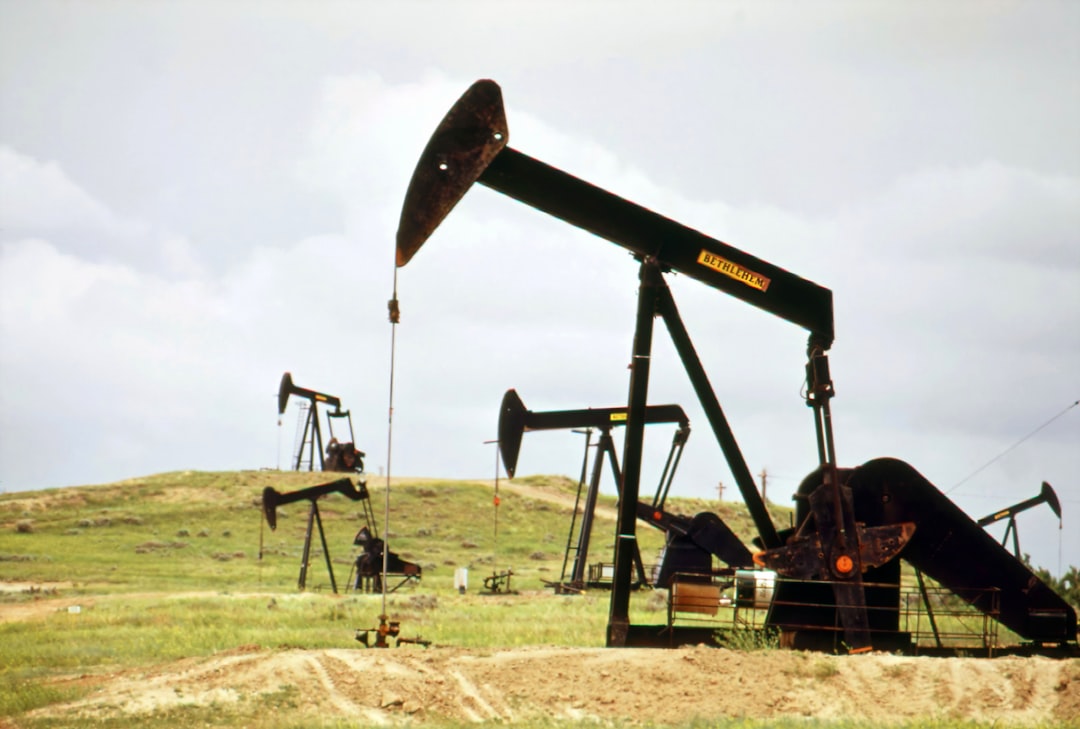
This section delves into the core aspects of UN1267, its relation to Petroleum Crude Oil, and the implications for Hazard Class 3 materials. We’ll explore why these classifications matter in the shipping industry.
The Basics of UN1267
UN1267 is a crucial identifier in the shipping world. It specifically denotes Petroleum Crude Oil, a substance that requires careful handling during transport.
The United Nations Committee of Experts on the Transport of Dangerous Goods assigns this number. It’s part of a system designed to standardize the identification of hazardous materials globally.
Understanding UN1267 is essential for anyone involved in the logistics of crude oil. It helps ensure proper packaging, labeling, and handling throughout the shipping process.
Importance of Petroleum Crude Oil
Petroleum Crude Oil, identified by UN1267, is a cornerstone of the global energy sector. It’s the raw material for numerous products we use daily, from gasoline to plastics.
The transportation of crude oil is a critical part of the energy supply chain. It connects extraction sites to refineries and eventually to consumers.
Given its flammable nature, the safe transport of crude oil is paramount. This is why proper identification and handling as per UN1267 guidelines are so important.
Navigating Hazard Class 3 Requirements
Hazard Class 3 encompasses flammable liquids, including Petroleum Crude Oil (UN1267). This classification is based on the material’s flash point and other physical properties.
Class 3 materials require specific handling procedures. These include using appropriate containers, proper labeling, and following strict loading and unloading protocols.
For safety officers and regulators, understanding Class 3 requirements is crucial. It helps in developing and enforcing safety measures that protect workers and the environment during transport.
Flammable Liquids in Shipping

This section focuses on the broader category of flammable liquids in shipping. We’ll discuss identification methods, regulatory requirements, and essential labeling practices.
Identifying Hazardous Materials
Identifying hazardous materials like UN1267 is the first step in safe shipping. It involves understanding the physical and chemical properties of the substance.
For Petroleum Crude Oil, key identifiers include its UN number (1267), proper shipping name, and hazard class (3). These details must be clearly marked on shipping documents and containers.
Safety data sheets (SDS) provide additional information about the material’s properties, hazards, and handling requirements. They’re an essential resource for anyone handling the shipment.
Regulatory Requirements for Safety Compliance
Safety compliance in shipping flammable liquids involves adhering to various regulations. These rules cover aspects from packaging to transportation methods.
In the U.S., the Department of Transportation (DOT) sets guidelines for hazardous materials transport. These include specifications for containers, quantity limits, and documentation requirements.
Internationally, organizations like the International Maritime Organization (IMO) provide standards for sea transport. Aligning with these regulations is crucial for global shipping operations.
Placarding and Labeling Essentials
Proper placarding and labeling are critical for the safe transport of flammable liquids like UN1267. They provide quick, visual information about the cargo’s hazards.
For Class 3 flammable liquids, the placard features a red background with a flame symbol. The UN number must be displayed prominently on the placard or a separate orange panel.
Labels on individual packages provide more detailed information. They include the UN number, proper shipping name, and any subsidiary hazard symbols.
Comparing Shipping Regulations Globally

This section provides a comparative analysis of shipping regulations across different regions. We’ll explore international standards, domestic rules, and the challenges in achieving global compliance.
Key International Standards
International standards for shipping hazardous materials like UN1267 aim to create a uniform global approach. The UN Recommendations on the Transport of Dangerous Goods serve as a foundation for many national and regional regulations.
The International Maritime Dangerous Goods (IMDG) Code governs sea transport of hazardous materials. It provides detailed guidelines on classification, packaging, and stowage of dangerous goods.
For air transport, the International Air Transport Association (IATA) Dangerous Goods Regulations set the standard. These rules are often more stringent due to the unique risks associated with air travel.
Domestic Shipping Rules and Differences
While international standards provide a framework, many countries have their own specific rules for domestic shipping of hazardous materials like Petroleum Crude Oil.
In the United States, the Code of Federal Regulations Title 49 (49 CFR) outlines requirements for hazardous materials transport. It covers aspects from packaging specifications to training requirements for handlers.
Other countries may have variations in their regulations. For example, some may have stricter environmental protection measures or different quantity limits for road transport.
Challenges in Global Compliance
Achieving global compliance in shipping hazardous materials presents several challenges. One major issue is the variation in regulations between countries and regions.
Language barriers can complicate compliance efforts. Ensuring accurate translation of safety information and shipping documents is crucial but can be challenging.
Keeping up with regulatory changes across multiple jurisdictions is another hurdle. It requires constant vigilance and adaptability from shipping companies and regulators alike.
Safety Compliance for Logistics Professionals

This section focuses on practical aspects of safety compliance for those directly involved in handling and regulating hazardous materials like UN1267.
Best Practices for Safety Officers
Safety officers play a crucial role in ensuring the safe handling of hazardous materials like Petroleum Crude Oil. Their responsibilities include developing and implementing safety protocols.
Regular training and drills are essential. These help ensure that all personnel are familiar with proper handling procedures and emergency response plans.
Conducting thorough risk assessments is another key practice. This involves identifying potential hazards at each stage of the shipping process and implementing appropriate control measures.
Environmental Considerations for Regulators
For environmental regulators, overseeing the transport of UN1267 involves balancing safety with environmental protection. This requires a comprehensive understanding of both the material’s properties and potential environmental impacts.
Developing and enforcing spill prevention and response plans is a critical aspect. These plans should address potential scenarios specific to the transport routes and methods used.
Monitoring compliance with environmental regulations is an ongoing task. This may involve regular inspections, reviewing documentation, and assessing companies’ environmental management systems.
Mitigating Risks in Hazardous Material Handling
Effective risk mitigation in handling UN1267 and other hazardous materials starts with proper training. All personnel involved should be well-versed in safety procedures and emergency protocols.
Using appropriate personal protective equipment (PPE) is essential. This may include chemical-resistant gloves, protective eyewear, and flame-resistant clothing.
Implementing a robust incident reporting and investigation system helps identify potential issues before they escalate. It also provides valuable insights for improving safety measures over time.
Future Trends in Shipping Regulations

This final section looks ahead to emerging trends in shipping regulations, particularly as they relate to hazardous materials like UN1267.
Evolving Safety Standards
Safety standards for shipping hazardous materials are continually evolving. We’re seeing a trend towards more stringent requirements, especially in areas like container design and testing.
There’s an increasing focus on human factors in safety. This includes more emphasis on fatigue management for drivers and handlers, and improved training methodologies.
We can expect to see more integration of safety considerations into the entire supply chain, not just the transport phase. This holistic approach aims to enhance overall safety in hazardous material handling.
Technological Advances in Compliance
Technology is playing an increasingly important role in compliance with shipping regulations. Real-time tracking systems are becoming more sophisticated, allowing for better monitoring of hazardous material shipments.
Digital documentation systems are streamlining the compliance process. They reduce errors in paperwork and make it easier to share information between different parties in the shipping chain.
Artificial intelligence and machine learning are being applied to risk assessment and prediction. These tools can help identify potential safety issues before they occur.
Preparing for Regulatory Changes
Staying ahead of regulatory changes is crucial for anyone involved in shipping hazardous materials like UN1267. This requires a proactive approach to monitoring proposed changes and industry trends.
Flexibility in operations and systems is important. Companies need to be able to adapt quickly to new requirements without major disruptions to their operations.
Engaging with industry associations and regulatory bodies can provide valuable insights into upcoming changes. It also offers opportunities to contribute to the development of new standards and best practices.