

Mastering Gasoline Transportation Safety: The Ultimate Checklist for Class 3 Flammable Liquids
Transporting gasoline isn’t just about moving fuel from point A to B. It’s about ensuring safety every step of the way. With UN1203 gasoline identification marking it as a Class 3 flammable liquid, the risks are real, and the stakes are high. Understanding hazmat regulations for gasoline is your shield against potential disasters. Dive into the ultimate checklist for gasoline transportation safety and arm yourself with the knowledge to protect your business, your team, and the environment. Ready to secure your operations? Let’s get started. For more information on fuel transport safety, check out this comprehensive checklist.
Understanding Class 3 Flammable Liquids

Class 3 flammable liquids, including gasoline, require special handling and transportation procedures. This section explores the characteristics of these substances and the regulations governing their transport.
What Makes Gasoline Class 3?
Gasoline is classified as a Class 3 flammable liquid due to its low flash point and high volatility. The flash point of gasoline is typically below -40°F (-40°C), making it highly susceptible to ignition at room temperature.
This classification is based on the liquid’s ability to form an ignitable vapor-air mixture at normal temperatures. Gasoline vapors can travel considerable distances and find ignition sources, posing significant fire and explosion risks.
The Class 3 designation alerts handlers to the potential dangers and dictates specific safety measures for storage, transport, and use.
Hazmat Regulations for Gasoline
Hazmat regulations for gasoline are designed to minimize risks during transportation. These rules cover various aspects of handling and moving gasoline safely.
Key regulations include proper packaging requirements, labeling standards, and documentation procedures. Transporters must use approved containers that can withstand the pressures and temperatures encountered during transit.
Vehicle requirements, route restrictions, and driver qualifications are also specified in these regulations. Compliance with these rules is crucial for maintaining safety and avoiding legal penalties.
UN1203 Gasoline Identification
UN1203 is the unique identification number assigned to gasoline under the United Nations’ hazardous materials classification system. This number is essential for quick identification during emergencies.
The UN1203 code must be displayed on all containers and vehicles transporting gasoline. It allows first responders to quickly identify the substance and take appropriate action in case of an incident.
This standardized system facilitates international transportation and ensures consistent handling procedures across different regions. For more details on UN1203 placards, visit Labelmaster.
Gasoline Transportation Safety Basics

Ensuring the safe transportation of gasoline requires adherence to fundamental safety principles. This section outlines the essential protocols and preparations needed for secure gasoline transport.
Essential Safety Protocols
Safety protocols for gasoline transportation form the backbone of risk management in this field. These protocols encompass a wide range of practices designed to prevent accidents and mitigate potential hazards.
Key safety measures include proper vehicle maintenance, regular equipment inspections, and adherence to loading and unloading procedures. Drivers must be trained in handling emergencies and equipped with appropriate personal protective equipment.
Route planning is another crucial aspect, involving the selection of safe roads and avoidance of populated areas when possible. For a detailed guide on gasoline transportation safety, refer to the Interagency Transport Guide for Gasoline.
Preparing for Safe Transport
Preparation is key to ensuring safe gasoline transportation. This process begins long before the vehicle hits the road and involves several critical steps.
Inspect all equipment, including tanks, hoses, and valves, for any signs of wear or damage.
Verify that all required safety equipment is present and in good working condition.
Ensure proper labeling and placarding of the vehicle according to hazmat regulations.
Drivers should also be briefed on the specific hazards associated with the load and the route to be taken. A thorough pre-trip checklist can help ensure nothing is overlooked.
Monitoring During Transportation
Continuous monitoring during gasoline transportation is crucial for maintaining safety throughout the journey. This involves both human vigilance and technological support.
Drivers should perform regular checks during stops, looking for any signs of leaks or other issues. Modern tracking systems can provide real-time data on vehicle location, speed, and other parameters.
Temperature monitoring is particularly important, as extreme heat can increase pressure in fuel tanks. Any deviations from normal conditions should be promptly reported and addressed.
Emergency Response for Gasoline

Despite best efforts in prevention, emergencies can still occur. A well-prepared emergency response plan is crucial for minimizing damage and protecting lives in case of a gasoline-related incident.
Quick Response Strategies
Quick and effective response is critical when dealing with gasoline-related emergencies. The first priority is always to ensure the safety of people in the immediate vicinity.
Upon discovering a leak or fire, the following steps should be taken:
Evacuate the area and establish a safe perimeter.
Contact emergency services immediately.
If safe to do so, attempt to stop the source of the leak.
It’s important to have a clear chain of command and communication plan in place. This ensures that all team members know their roles and can act swiftly in an emergency situation.
Handling Spills Effectively
Gasoline spills require immediate and careful handling to prevent environmental damage and fire hazards. The approach to spill management depends on the size and location of the spill.
For small spills, absorbent materials can be used to contain and clean up the fuel. Larger spills may require professional cleanup crews and specialized equipment.
It’s crucial to prevent gasoline from entering waterways or soil. Containment measures such as berms or dikes can help control the spread of spilled fuel.
Communication During Emergencies
Clear and timely communication is vital during gasoline-related emergencies. This includes internal communication within the response team and external communication with authorities and the public.
A designated spokesperson should be responsible for providing updates to relevant parties. This helps ensure that information is consistent and accurate.
Emergency contact lists should be readily available, including numbers for local authorities, environmental agencies, and specialized cleanup services. Regular drills can help team members practice their communication protocols under simulated emergency conditions.
Flammable Liquids Storage Guidelines
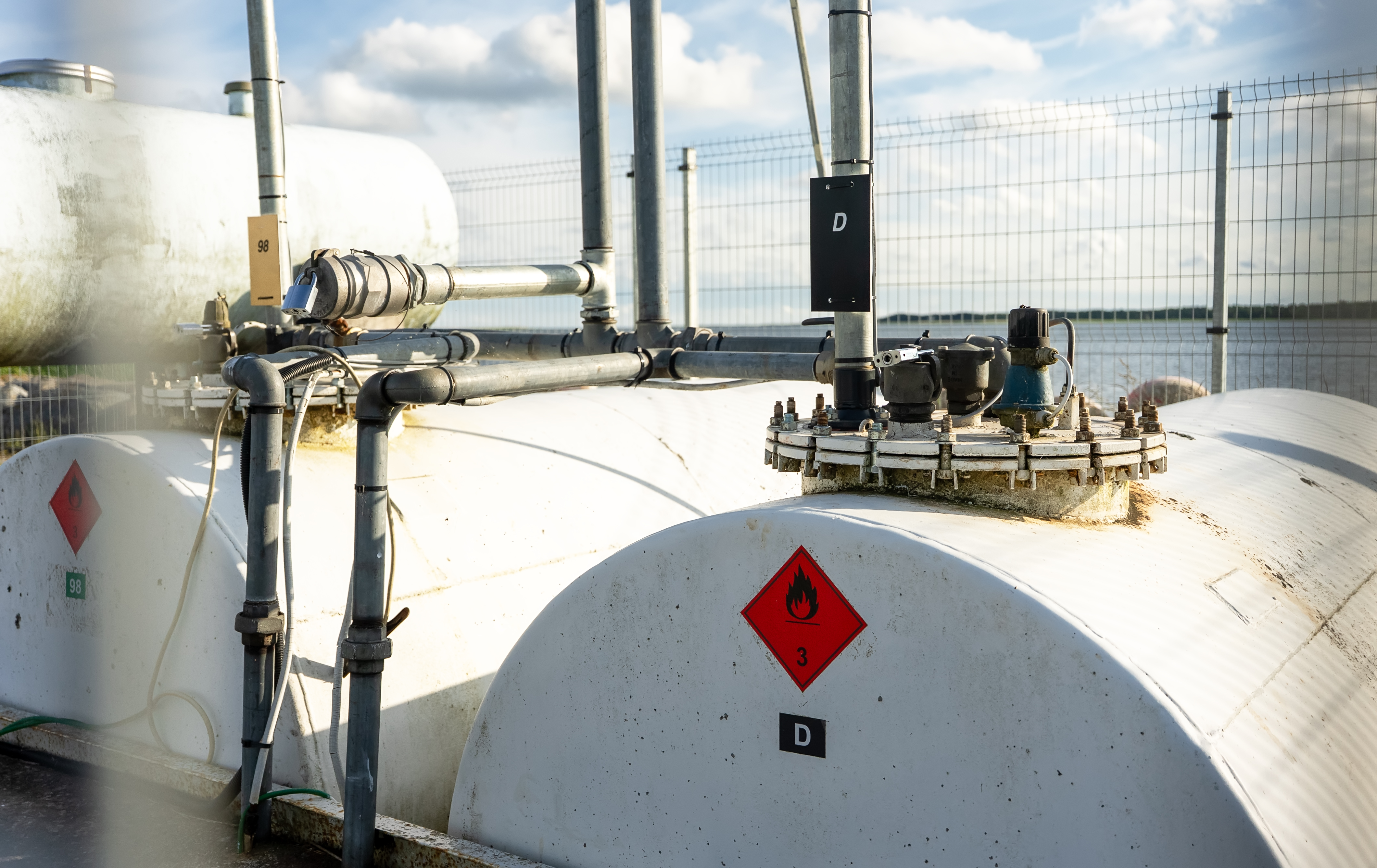
Proper storage of flammable liquids like gasoline is as crucial as safe transportation. This section covers key guidelines for storing these hazardous materials safely and compliantly.
Proper Storage Techniques
Storing gasoline and other flammable liquids requires careful attention to safety details. The primary goal is to prevent vapor accumulation and minimize the risk of fire or explosion.
Storage areas should be well-ventilated and located away from sources of ignition. Approved safety cans or storage cabinets should be used for smaller quantities of gasoline.
For larger volumes, above-ground or underground storage tanks must meet specific design and construction standards. These tanks should be equipped with appropriate venting systems and overfill protection devices.
Facility Safety Inspections
Regular safety inspections are essential for maintaining a safe storage environment for flammable liquids. These inspections help identify potential hazards before they lead to incidents.
Key areas to inspect include:
Storage container integrity
Ventilation systems
Fire suppression equipment
Spill containment measures
Inspections should be conducted by trained personnel following a standardized checklist. Any issues identified during these inspections should be addressed promptly to maintain compliance and safety.
Equipment and Maintenance Essentials
Proper equipment and consistent maintenance are crucial for safe flammable liquid storage. This includes both the storage containers themselves and associated safety equipment.
Essential equipment includes:
Fire extinguishers appropriate for flammable liquid fires
Spill cleanup kits
Personal protective equipment for handling spills
Regular maintenance tasks should include checking for corrosion or damage to storage containers, testing emergency shutdown systems, and calibrating monitoring equipment. A detailed maintenance log should be kept to track all inspections and repairs.
Best Practices for Businesses

Implementing best practices for handling Class 3 flammable liquids like gasoline is crucial for businesses to ensure safety, compliance, and operational efficiency.
Training Safety Professionals
Effective training of safety professionals is the cornerstone of a robust gasoline safety program. This training should cover all aspects of handling, storing, and transporting flammable liquids.
Key training topics include:
Understanding hazmat regulations
Proper use of personal protective equipment
Emergency response procedures
Spill containment and cleanup techniques
Training should be ongoing, with regular refresher courses to keep skills sharp and knowledge up to date. Simulations and hands-on exercises can enhance the effectiveness of training programs.
Regular Safety Drills
Safety drills are essential for preparing staff to handle real emergencies effectively. These drills should simulate various scenarios that could occur during gasoline transportation or storage.
Drills might include:
Simulated spill response
Fire evacuation procedures
Communication exercises
After each drill, a thorough debrief should be conducted to identify areas for improvement. This feedback can be used to refine emergency response plans and procedures.
Staying Updated with Regulations
Regulations governing the handling of flammable liquids like gasoline are subject to change. Staying current with these regulations is crucial for maintaining compliance and safety.
Businesses should designate a team or individual responsible for monitoring regulatory updates. This might involve:
Subscribing to industry publications
Attending relevant conferences or seminars
Maintaining relationships with regulatory bodies
When new regulations are introduced, businesses should promptly review and update their procedures to ensure compliance. Staff training should also be updated to reflect any changes in regulations or best practices. For the latest information on placarding requirements for flammable liquids, check out this CVSA guide.