

Comparing Diesel Fuel and Other Flammable Liquids: Navigating UN 1993 and Hazard Classifications
Did you know that diesel fuel and other flammable liquids fall under the mysterious code UN 1993? This code is more than just numbers; it’s a crucial part of keeping transport safety professionals, chemical safety officers, and industrial workers on their toes. Understanding how UN 1993 relates to hazard classifications and transport regulations can be the difference between safety and disaster. In this blog, we’ll compare these dangerous goods, ensuring you navigate the world of flammable liquids with confidence. For more information on UN 1993 placards, visit this resource.
Understanding UN 1993
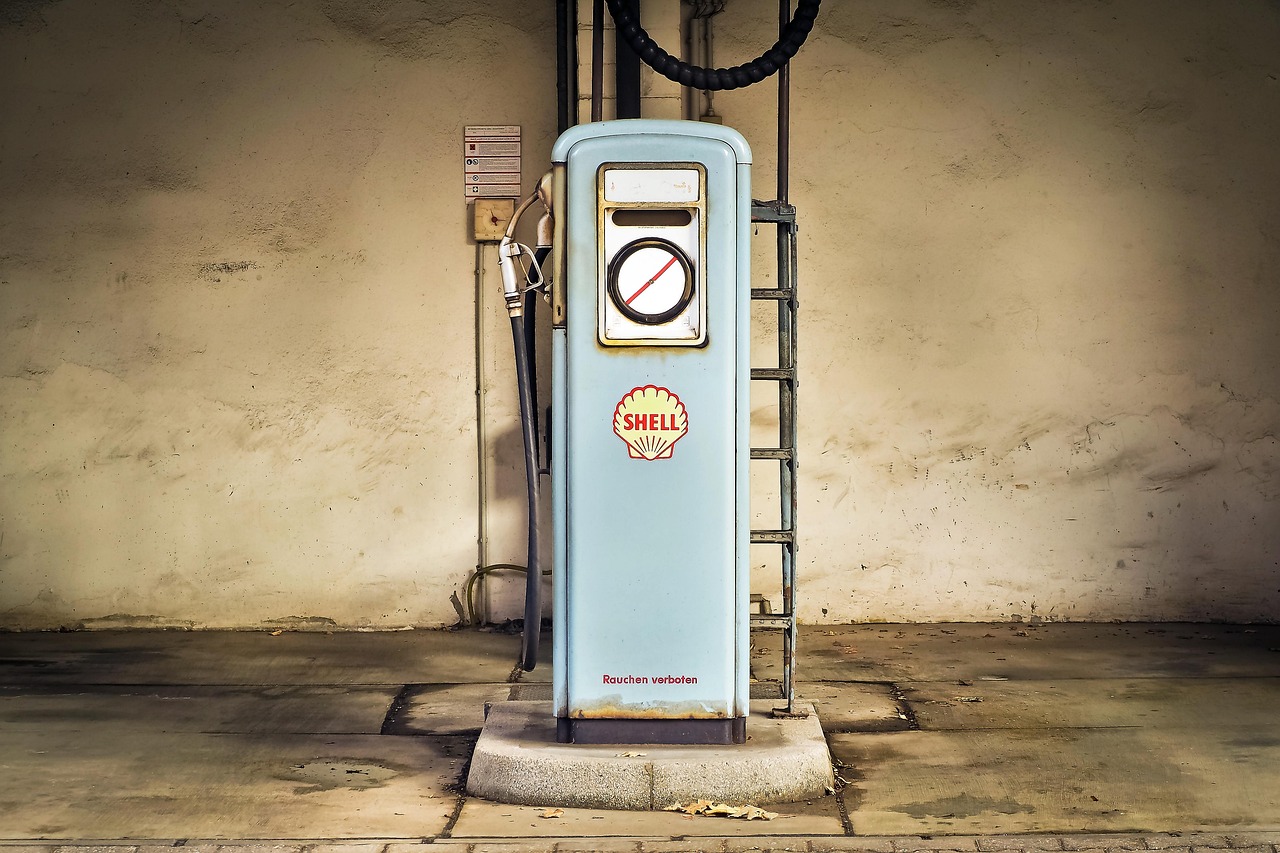
UN 1993 is a critical classification in the world of chemical safety and transport. This section will explore what UN 1993 means, its importance in chemical safety, and provide an overview of related transport regulations.
What is UN 1993?
UN 1993 is a classification code used for flammable liquids that don’t have a more specific UN number. It’s part of the United Nations’ system for identifying dangerous goods during transport.
This code applies to a wide range of substances, including diesel fuel, certain industrial cleaning agents, and various fuel oils. The “1993” designation helps quickly identify the general hazard class of these materials.
Understanding UN 1993 is crucial for anyone involved in handling, storing, or transporting these flammable liquids. It provides a standardized way to communicate potential risks across different industries and countries.
Importance in Chemical Safety
The UN 1993 classification plays a vital role in maintaining chemical safety across various industries. It helps workers and safety professionals quickly identify potential hazards associated with flammable liquids.
By standardizing the identification of these substances, UN 1993 allows for consistent safety measures to be applied. This uniformity is particularly important in international trade and transport, where materials may cross multiple borders.
The classification also aids in emergency response situations. When incidents occur, first responders can quickly assess the type of hazard they’re dealing with based on the UN 1993 designation, allowing for more effective and safer interventions.
Transport Regulations Overview
Transport regulations for UN 1993 substances are designed to ensure the safe movement of these flammable liquids. These rules cover various aspects of transportation, from packaging to vehicle requirements.
Key elements of these regulations include proper labeling of containers, specific packaging standards to prevent leaks or spills, and restrictions on the quantities that can be transported together. There are also rules about the types of vehicles that can be used and the routes they must take.
Training requirements for personnel handling UN 1993 substances are another crucial part of these regulations. This ensures that everyone involved in the transport chain understands the risks and proper handling procedures for these dangerous goods.
Exploring Flammable Liquids
Flammable liquids encompass a wide range of substances, each with its own characteristics and uses. This section will compare diesel fuel with other liquids, examine common industrial cleaning agents, and discuss various fuel oils and their applications.
Diesel Fuel vs. Other Liquids
Diesel fuel is a common UN 1993 substance, but it has unique properties compared to other flammable liquids. Its flash point is higher than that of gasoline, making it less volatile but still dangerous.
Unlike many other flammable liquids, diesel fuel has a low vapor pressure. This means it doesn’t evaporate as quickly, reducing the risk of explosive vapor buildup in enclosed spaces.
However, diesel fuel shares some similarities with other UN 1993 substances. Like many industrial solvents, it can cause skin irritation and is harmful if ingested. Proper handling and storage are crucial for all these materials.
Common Industrial Cleaning Agents
Many industrial cleaning agents fall under the UN 1993 classification. These substances are used across various industries for degreasing, surface preparation, and general cleaning.
Some common examples include acetone, methyl ethyl ketone (MEK), and certain types of alcohol-based cleaners. These substances are highly effective but also pose significant fire risks.
Unlike diesel fuel, many of these cleaning agents have low flash points and high vapor pressures. This makes them more volatile and increases the risk of fire or explosion, especially in poorly ventilated areas.
Fuel Oils and Their Uses
Fuel oils are another important category within the UN 1993 classification. These include various grades of heating oil, bunker fuel for ships, and some types of industrial fuel.
Like diesel, these oils have relatively high flash points compared to more volatile liquids like gasoline. However, they still pose significant fire risks, especially when heated or sprayed.
The uses of fuel oils vary widely. Some are used for home heating, while others power large industrial boilers or ship engines. Each type has its own specific handling and storage requirements to ensure safety.
Hazard Classifications Explained
Understanding hazard classifications is crucial for anyone working with dangerous goods. This section will cover how to identify dangerous goods, key safety measures, and the importance of understanding risk levels.
Identifying Dangerous Goods
Identifying dangerous goods is the first step in ensuring safe handling and transport. UN 1993 substances are typically identified by their flammable properties and specific chemical composition.
Key identifiers include the UN number itself, hazard class labels, and safety data sheets (SDS). These provide crucial information about the substance’s properties, risks, and handling requirements.
Visual inspection can also play a role in identification. Many UN 1993 substances are clear or pale-colored liquids with a distinct odor. However, never rely on appearance alone – always check the official documentation.
Key Safety Measures
Safety measures for UN 1993 substances focus on preventing fires and explosions. Proper storage is crucial, often requiring special containers and dedicated storage areas away from ignition sources.
Personal protective equipment (PPE) is essential when handling these materials. This typically includes chemical-resistant gloves, safety goggles, and sometimes respiratory protection.
Ventilation is another critical safety measure. Good air circulation helps prevent the buildup of flammable vapors, reducing the risk of fire or explosion. Regular safety checks and maintenance of equipment are also vital.
Understanding Risk Levels
Risk levels for UN 1993 substances can vary widely depending on the specific material and the context in which it’s being used or transported. Understanding these risk levels is crucial for proper risk management.
Factors that influence risk levels include the substance’s flash point, vapor pressure, and toxicity. Environmental conditions, such as temperature and proximity to ignition sources, also play a role.
It’s important to note that risk levels can change. For example, a substance that’s relatively safe at room temperature might become much more dangerous when heated. Always stay alert and reassess risks as conditions change.
Navigating Transport Regulations
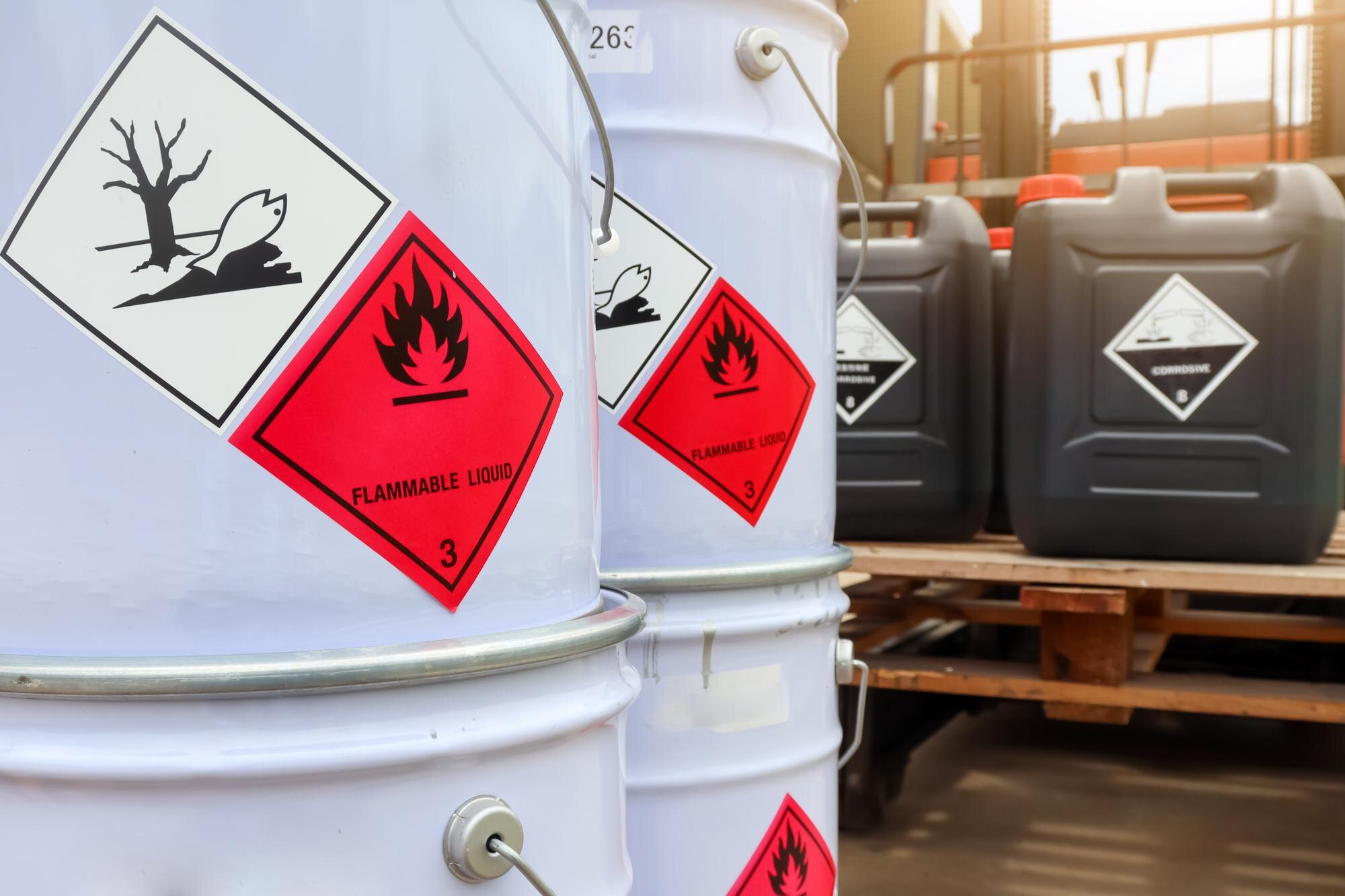
Transporting UN 1993 substances requires strict adherence to regulations. This section will explore shipping protocols, packaging standards, and compliance requirements for industrial workers involved in the transport of these dangerous goods.
Shipping Protocols and Guidelines
Shipping protocols for UN 1993 substances are designed to minimize risks during transport. These include specific requirements for vehicle types, route planning, and documentation.
Drivers transporting these materials must have specialized training and certifications. They need to understand emergency procedures and how to respond to spills or accidents.
Loading and unloading procedures are also strictly regulated. This includes rules about grounding vehicles to prevent static electricity buildup, which could potentially ignite flammable vapors.
Packaging Standards for Safety
Proper packaging is crucial for the safe transport of UN 1993 substances. Containers must meet specific standards for strength, leak resistance, and compatibility with the contents.
For bulk transport, tanks must be designed to withstand the pressures and stresses of road, rail, or sea transport. They often include safety features like pressure relief valves and anti-sloshing baffles.
Smaller quantities are typically transported in UN-approved drums or containers. These are tested to ensure they can withstand drops, stacking pressures, and other potential hazards during transport.
Compliance for Industrial Workers
Compliance with transport regulations is not just the responsibility of drivers and shipping companies. Industrial workers involved in preparing shipments also play a crucial role.
Workers need to understand proper labeling and marking requirements. This includes applying the correct hazard labels and ensuring that all required information is clearly visible on the packaging.
Training is a key part of compliance. Workers should receive regular updates on regulations and best practices. They should also be familiar with emergency procedures and know how to access and interpret safety data sheets.
Ensuring Chemical Safety
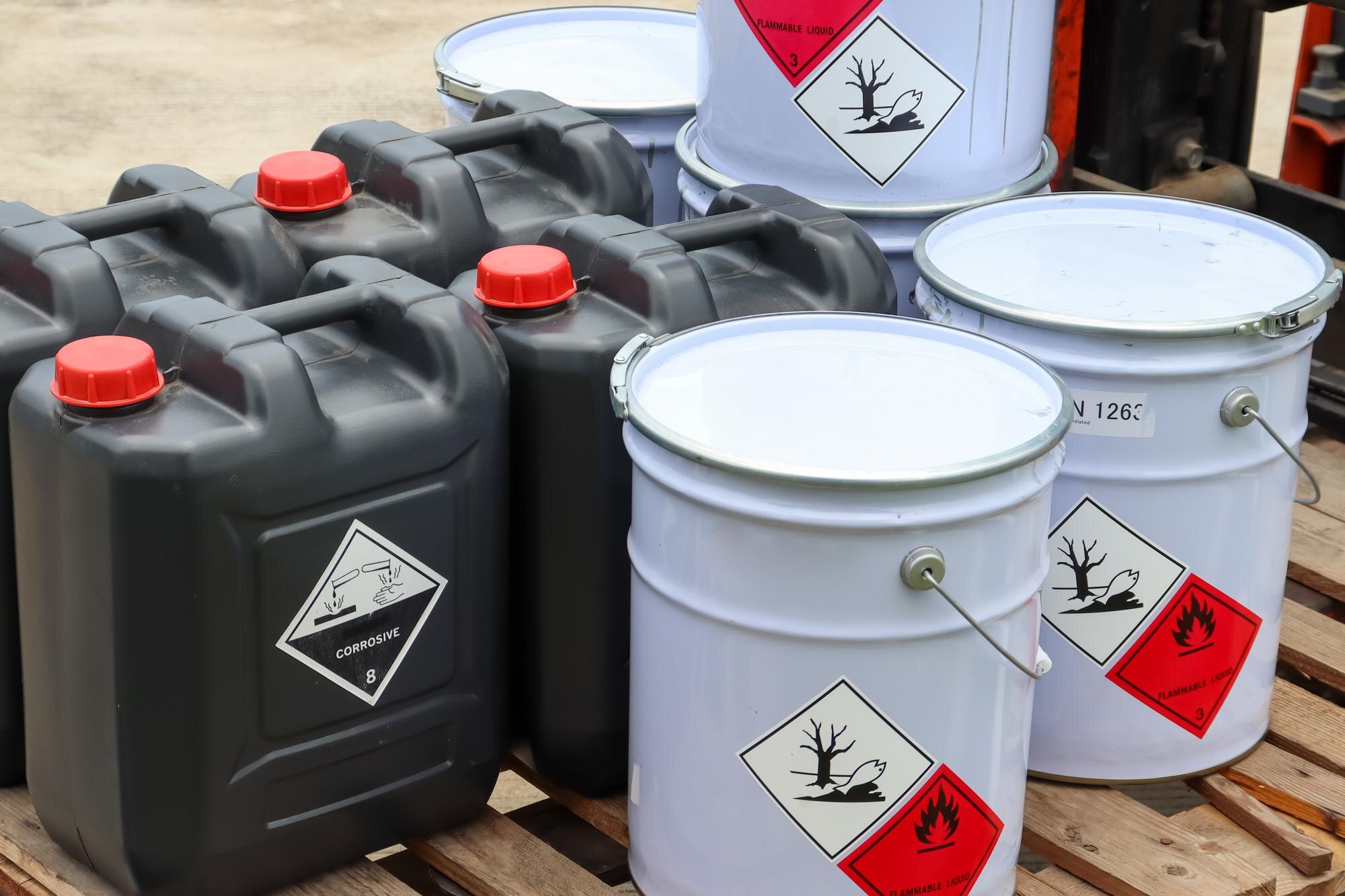
Chemical safety is paramount when dealing with UN 1993 substances. This final section will cover best practices for handling these materials, essential training and education, and the importance of proper safety equipment and gear.
Best Practices for Handling
Handling UN 1993 substances safely requires attention to detail and strict adherence to established procedures. Always work in well-ventilated areas to prevent vapor buildup.
Avoid sources of ignition when working with these materials. This includes not using non-spark-proof tools and equipment, and prohibiting smoking in the vicinity.
Proper storage is crucial. Keep UN 1993 substances in approved containers, in cool, dry areas away from incompatible materials. Regular inspections of storage areas can help identify potential issues before they become dangerous.
Training and Education Essentials
Effective training is the foundation of chemical safety. All workers who handle UN 1993 substances should receive comprehensive initial training and regular refresher courses.
Training should cover the properties of specific substances, proper handling techniques, and emergency procedures. It should also include hands-on practice with safety equipment and spill response materials.
Education about regulatory requirements is also important. Workers should understand the legal implications of non-compliance and the potential consequences of safety breaches.
Safety Equipment and Gear
Proper safety equipment is essential when working with UN 1993 substances. This includes both personal protective equipment (PPE) and general safety gear.
PPE typically includes chemical-resistant gloves, safety goggles, and protective clothing. In some cases, respiratory protection may also be necessary.
General safety equipment might include fire extinguishers, eye wash stations, and emergency showers. Spill response kits should also be readily available in areas where these substances are handled or stored.