

Understanding UN 1972: Key Insights into Natural Gas Transportation and Safety Regulations
Transporting natural gas safely is more than just a logistical challenge—it’s a necessity. With UN 1972 at the forefront, the focus shifts to navigating the complex world of cryogenic liquid and flammable gases. As a professional in this field, understanding the intricacies of Transport Hazard Class 2.1 isn’t just beneficial; it’s crucial. Dive into the key insights of LNG regulations and discover the safety precautions that ensure the secure passage of liquefied natural gas across borders. For more information on UN 1972 and its classification, visit https://cameochemicals.noaa.gov/unna/1972.
Introduction to UN 1972
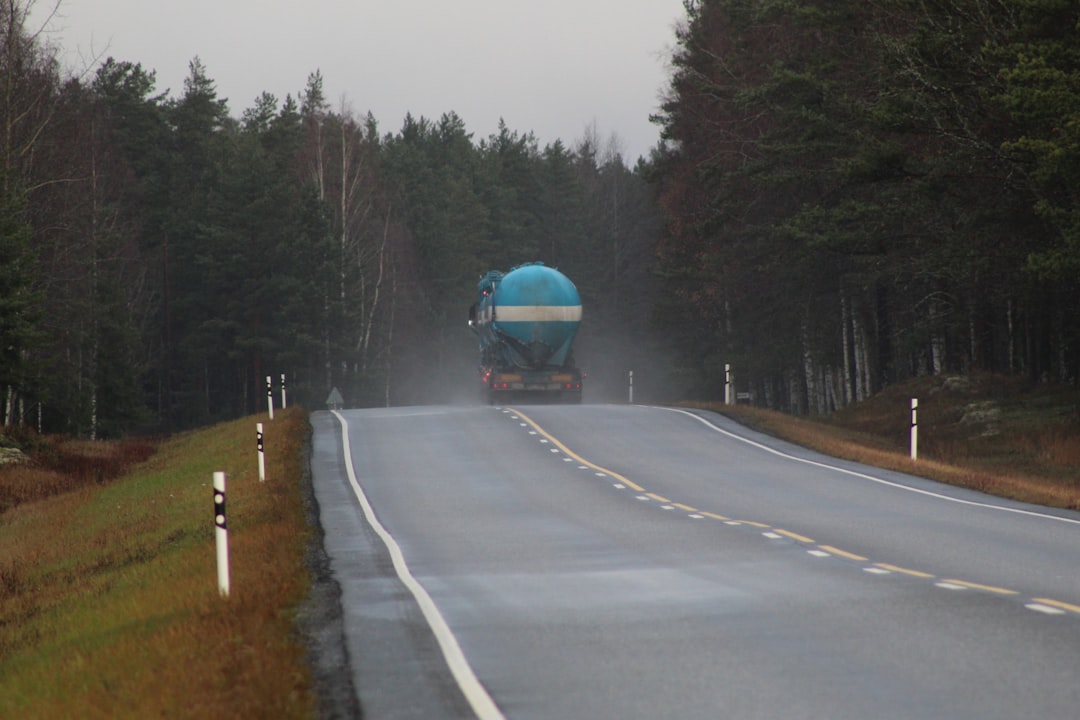
This section provides a comprehensive overview of UN 1972, its definition, importance in logistics, and an introduction to cryogenic liquids. We’ll explore the fundamental aspects that make UN 1972 a crucial component in natural gas transportation.
Defining UN 1972
UN 1972 is the United Nations number assigned to Natural gas, refrigerated liquid (cryogenic liquid) with high methane content. This designation is essential for the safe transportation of liquefied natural gas (LNG) and other cryogenic methane.
The classification falls under Transport Hazard Class 2.1, which encompasses flammable gases. This categorization helps ensure proper handling and safety measures during transportation.
Understanding UN 1972 is crucial for professionals involved in the logistics and transportation of natural gas. It serves as a universal identifier, allowing for consistent safety protocols across different countries and regions.
Importance of UN 1972 in Logistics
UN 1972 plays a vital role in the logistics of natural gas transportation. It provides a standardized system for identifying and handling LNG during transit, ensuring safety across various modes of transport.
This classification helps logistics professionals implement appropriate safety measures, select suitable containers, and follow proper handling procedures. It also facilitates compliance with international regulations and standards.
The importance of UN 1972 extends beyond mere identification. It serves as a cornerstone for risk assessment, emergency response planning, and the development of safety protocols in the natural gas industry.
Overview of Cryogenic Liquids
Cryogenic liquids are gases that have been cooled to extremely low temperatures, causing them to liquefy. In the case of natural gas, this process occurs at approximately -162°C (-260°F).
These ultra-cold liquids present unique challenges in handling and transportation. They require specialized equipment and safety measures to prevent rapid expansion and potential hazards.
Understanding the properties of cryogenic liquids is essential for anyone involved in the transportation of LNG. This knowledge forms the foundation for implementing effective safety measures and handling procedures.
Natural Gas Transportation Basics
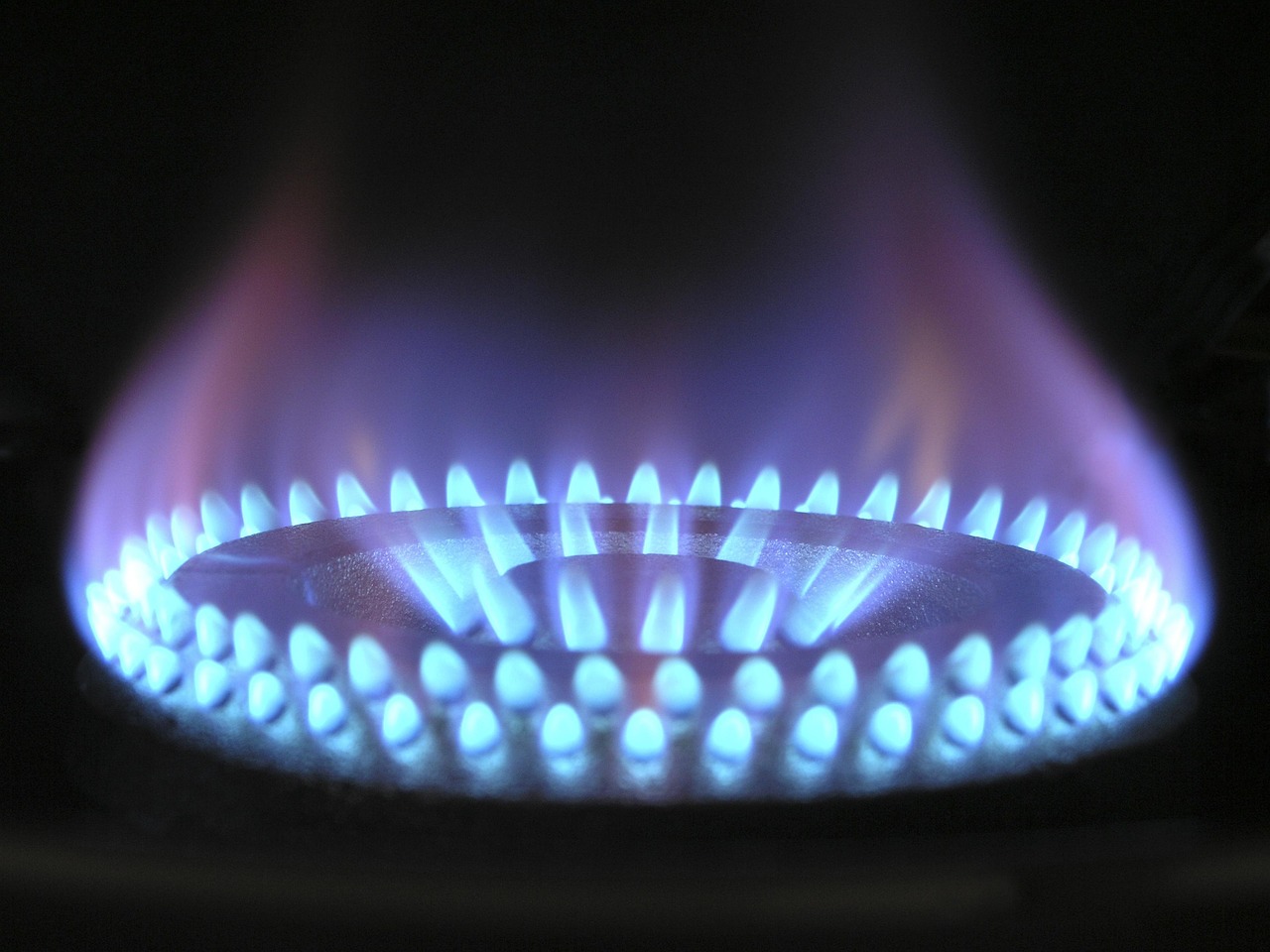
This section delves into the fundamental aspects of natural gas transportation, focusing on the key characteristics of LNG, its classification as a flammable gas, and an explanation of Transport Hazard Class 2.1.
Key Characteristics of LNG
Liquefied Natural Gas (LNG) is natural gas that has been cooled to a liquid state for ease of storage and transport. Its primary component is methane, typically comprising 85% to 95% of the mixture.
LNG is colorless, odorless, and non-toxic. It occupies about 1/600th of the volume of natural gas in its gaseous state, making it much more efficient to transport over long distances.
One of the most important characteristics of LNG is its cryogenic nature. At atmospheric pressure, it must be kept at extremely low temperatures to maintain its liquid state, which presents unique challenges in handling and storage.
Flammable Gas Classification
Natural gas, including LNG, is classified as a flammable gas due to its ability to ignite and burn when mixed with air in the right proportions. This classification is crucial for determining appropriate safety measures during transportation and storage.
The flammability range of natural gas is between 5% and 15% concentration in air. Below 5%, the mixture is too lean to burn, while above 15%, it’s too rich.
Understanding this classification is essential for implementing proper safety protocols and emergency response procedures. It informs the design of storage facilities, transportation vessels, and handling equipment.
Transport Hazard Class 2.1 Explained
Transport Hazard Class 2.1 is a classification used for flammable gases, including LNG. This classification is part of the United Nations’ system for the transport of dangerous goods.
Gases in this class are defined as substances that are flammable when mixed with air at 20°C and standard atmospheric pressure. They have a flash point below 23°C.
This classification dictates specific requirements for packaging, labeling, and handling during transportation. It also informs emergency responders about the nature of the hazard in case of an incident. For more details on Transport Hazard Class 2.1, refer to https://www.ecfr.gov/current/title-49/subtitle-B/chapter-I/subchapter-C/part-173/subpart-D/section-173.115.
Safety Regulations for LNG

This section explores the safety regulations governing LNG transportation, including international standards, national guidelines, and the implementation of safety precautions.
International Safety Standards
International safety standards for LNG transportation are designed to ensure consistent safety practices across different countries and regions. These standards cover various aspects of LNG handling and transport.
The International Maritime Organization (IMO) has established the International Code for the Construction and Equipment of Ships Carrying Liquefied Gases in Bulk (IGC Code). This code sets standards for the design and construction of LNG carriers.
Other important international standards include those set by the International Organization for Standardization (ISO) and the International Electrotechnical Commission (IEC). These standards cover aspects such as LNG facilities, equipment, and risk management.
National Safety Guidelines
In addition to international standards, many countries have their own national safety guidelines for LNG transportation. These guidelines often build upon international standards while addressing specific local concerns.
In the United States, for example, the Department of Transportation’s Pipeline and Hazardous Materials Safety Administration (PHMSA) oversees LNG safety regulations. They provide detailed guidelines on LNG facility siting, design, construction, equipment, and fire protection.
National guidelines often include specific requirements for operator training, emergency response planning, and community awareness programs. These measures help ensure that LNG transportation is conducted safely within each country’s borders.
Implementing Safety Precautions
Implementing safety precautions for LNG transportation involves a comprehensive approach that covers all aspects of the process. This includes proper training for personnel, regular equipment maintenance, and adherence to strict operational procedures.
Key safety precautions include:
Use of appropriate personal protective equipment (PPE)
Regular inspection and maintenance of LNG containers and transportation equipment
Implementation of robust emergency response plans
Continuous monitoring of LNG temperature and pressure during transport
For a detailed guide on LNG safety precautions, visit https://hammer.hanford.gov/files.cfm/LNG_Preparedness_Fact_Sheet1.pdf.
Challenges in LNG Transport
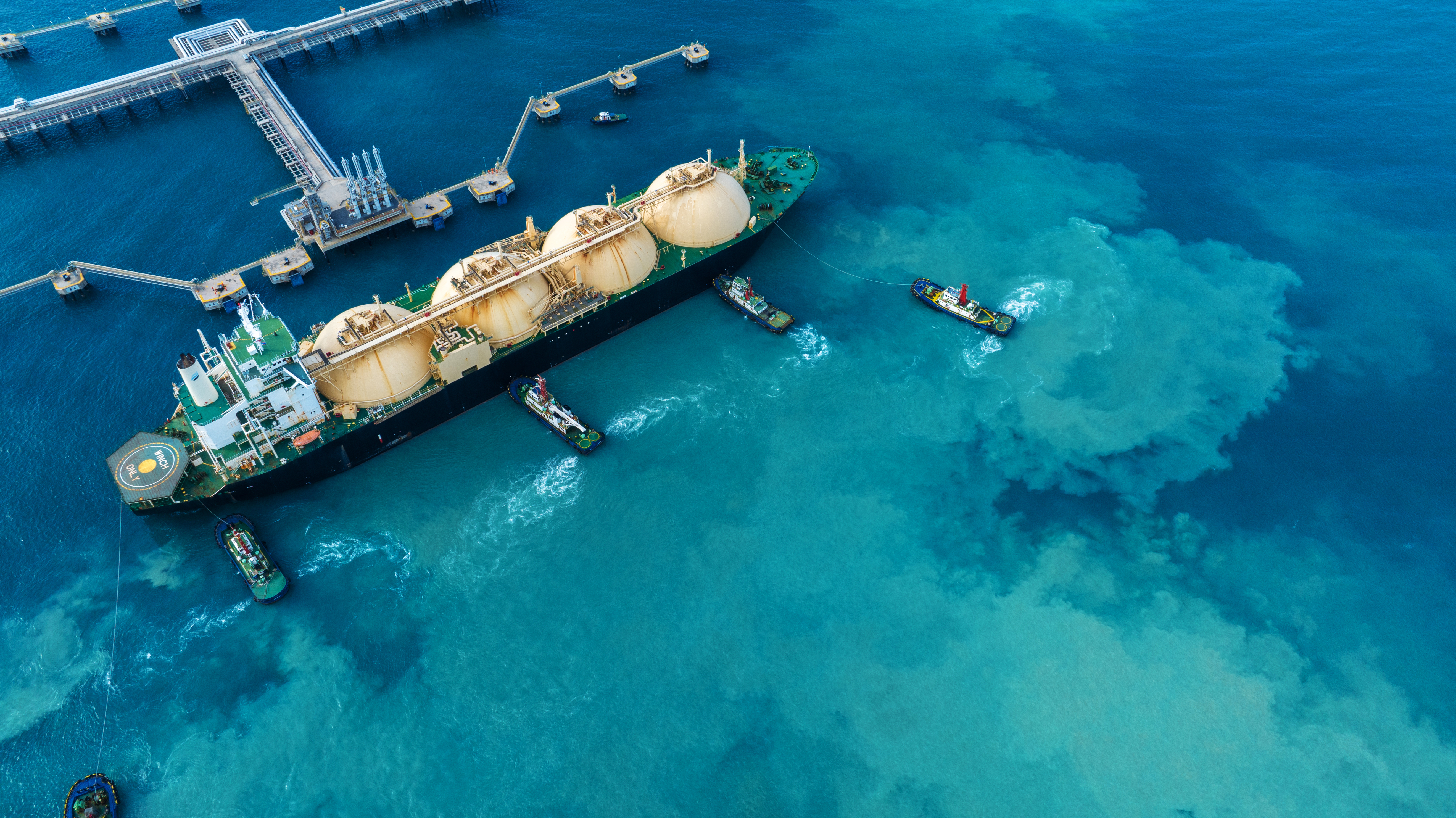
This section addresses the key challenges faced in LNG transportation, including managing cryogenic temperatures, addressing flammable risks, and considering environmental impacts.
Managing Cryogenic Temperatures
Managing the extremely low temperatures required for LNG transportation is one of the most significant challenges in the industry. LNG must be kept at around -162°C (-260°F) to remain in its liquid state.
This requires specialized cryogenic containers and equipment designed to withstand these temperatures without becoming brittle or failing. Regular monitoring and maintenance of these systems are crucial to prevent leaks or equipment failure.
Another challenge is managing the potential for rapid expansion if LNG warms and returns to its gaseous state. This requires careful pressure management and venting systems to prevent over-pressurization of containers.
Addressing Flammable Risks
The flammable nature of LNG presents significant safety challenges during transportation. If LNG vapors mix with air in the right proportions, they can ignite, potentially leading to fires or explosions.
To address this risk, strict safety protocols are implemented, including:
Regular monitoring for leaks
Use of gas detection systems
Implementation of vapor dispersion models
Establishment of safety zones around LNG facilities and transportation routes
Emergency response planning is also crucial, with specialized training for first responders on how to handle LNG-related incidents. For more information on emergency response guidelines, refer to https://www.phmsa.dot.gov/sites/phmsa.dot.gov/files/docs/ERG2016.pdf.
Environmental Impact Considerations
While natural gas is often considered a cleaner alternative to other fossil fuels, its transportation still has potential environmental impacts that need to be addressed.
One concern is the possibility of methane leaks during transportation. Methane is a potent greenhouse gas, and even small leaks can have significant environmental impacts. This necessitates rigorous leak detection and prevention measures.
Another consideration is the energy required for the liquefaction and regasification processes. Efforts are ongoing to improve the efficiency of these processes and reduce their environmental footprint.
Future of Natural Gas Transportation
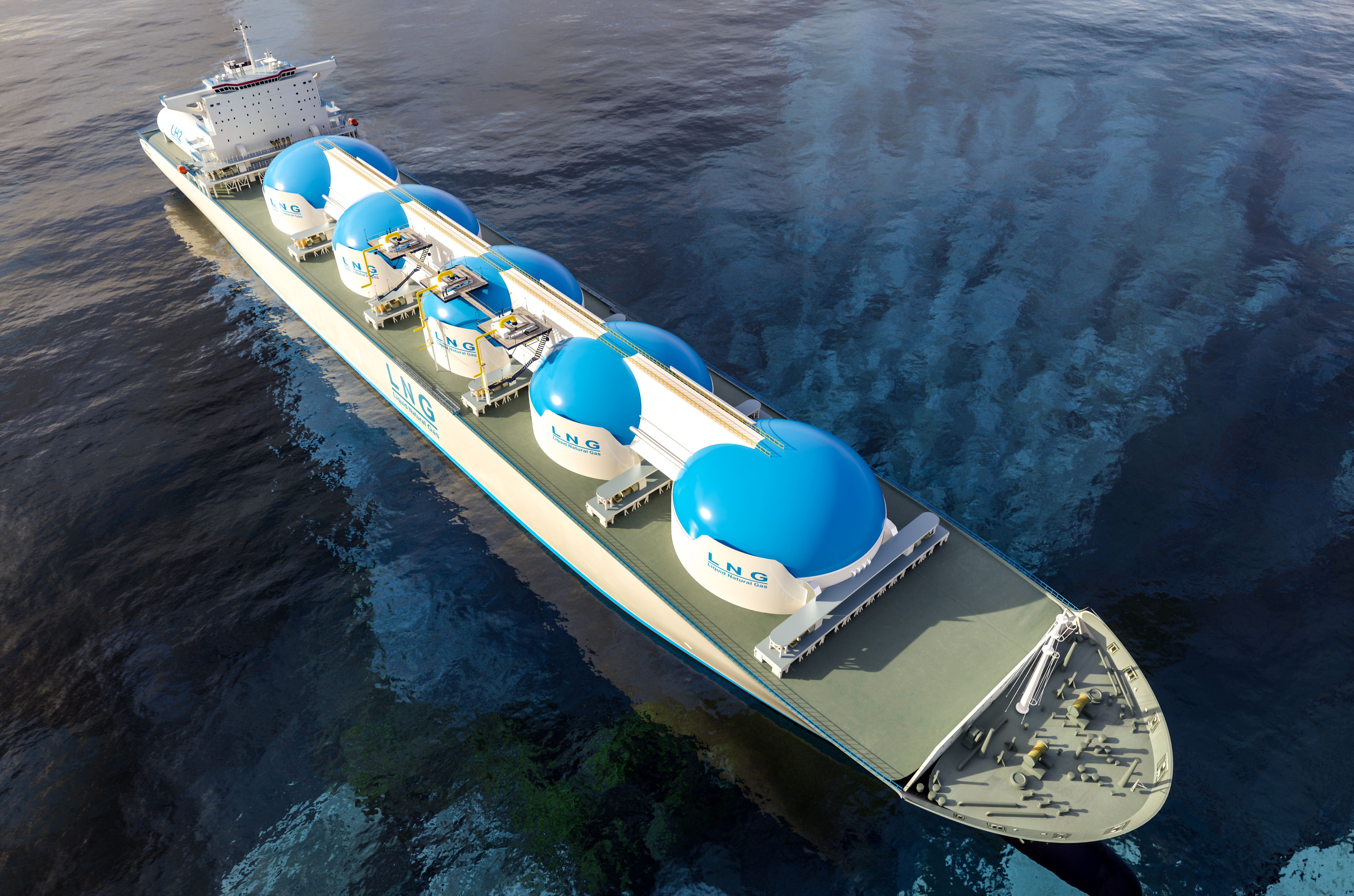
This section explores the future of natural gas transportation, including advancements in transportation methods, evolving regulations, and the role of technology in improving safety.
Advancements in Transportation Methods
The future of natural gas transportation is likely to see significant advancements in both technology and methods. One area of development is in the design of LNG carriers, with a focus on increasing capacity while improving safety and efficiency.
Another promising area is the development of small-scale LNG transportation solutions. These could allow for more flexible distribution networks, particularly in areas where large-scale infrastructure is not feasible.
Advancements in materials science may also lead to improved insulation and containment systems, potentially reducing the energy required to keep LNG at cryogenic temperatures during transport.
Evolving LNG Regulations
As the LNG industry continues to grow and evolve, regulations are likely to adapt to new challenges and opportunities. This may include updates to safety standards, environmental regulations, and international agreements on LNG transportation.
There’s an increasing focus on harmonizing regulations across different countries and regions to facilitate smoother international LNG trade. This could lead to more standardized safety protocols and equipment specifications.
Future regulations may also place a greater emphasis on environmental considerations, potentially including stricter standards for methane leak prevention and energy efficiency in LNG transportation.
Role of Technology in Safety Improvements
Technology is playing an increasingly important role in improving the safety of LNG transportation. Advanced monitoring systems, for example, can provide real-time data on temperature, pressure, and potential leaks.
Artificial intelligence and machine learning algorithms are being developed to predict potential equipment failures before they occur, allowing for proactive maintenance and reducing the risk of accidents.
Virtual and augmented reality technologies are also being used to enhance training programs for LNG handling and emergency response. These tools can provide realistic simulations of various scenarios, improving preparedness and safety.
For more information on the future of LNG transportation and safety, visit https://energybrokerage.agency/ and https://www.pgworks.com/uploads/pdfs/LNGSafetyData.pdf.